
- +91-9930498858Call / WhatsApp
- [email protected]Email Us
Comprehensive portfolio of OEM/ODM liquid collectors, sintered retaining tubes, woven mesh, and structured packing configurations tailored for rigorous gas-liquid mass transfer units.
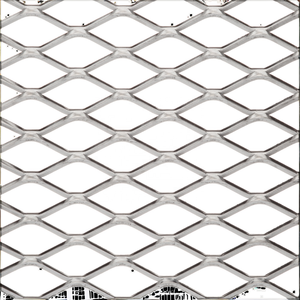
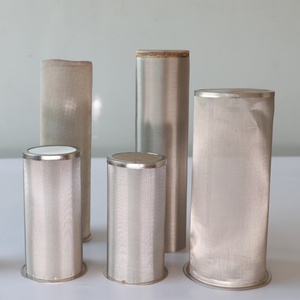
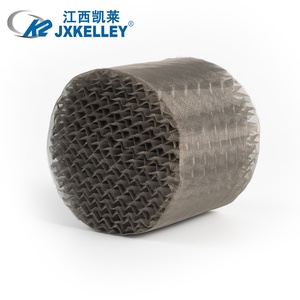
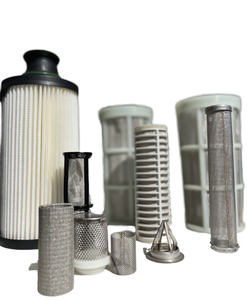
In high-throughput fractionating systems, gas-liquid mass transfer efficiency relies entirely on preserving uniform mechanical distribution within packed towers. An OEM/ODM Bed Limiter is a critical mechanical upper constraint designed specifically for random (dumped) packings—such as Pall rings, saddles, and cascade mini-rings—as well as structured packing beds. Under turbulent hydrodynamic conditions, rapid vapor surges, pulsing reflux streams, or temporary process upsets can trigger packing fluidization. Unchecked packing fluidization leads to local channel voids, severe mechanical damage to fragile thin-gage metal elements, bed surface tilt, and downstream carryover into liquid distributors and reboilers.
While the terms bed limiter and bed retainer (hold-down grid) are often used interchangeably, process engineering dictates distinct physical profiles. A hold-down plate rests directly on top of the packed bed, exerting calculated gravitational or bolted compressive force to keep dense metallic packing elements seated. Conversely, a bed limiter is securely fastened to the vessel wall shell via an internal support ring slightly above the expected expansion plane of the packing bed. This configuration grants the bed marginal expansion leeway during severe operational turndown cycles while forming an impenetrable physical barrier against catastrophic bed upheaval.
For custom fabrication projects, the net free area of an engineered bed limiter must consistently exceed 70% to 85% of the column's cross-sectional area. Maintaining an oversized open flow passage eliminates choking zones, mitigating premature localized vapor jetting, liquid entrainment, and unwanted additional pressure drops (ΔP).
Evaluate key aerodynamic, fluid dynamic, and structural specifications across mass transfer internal components to streamline plant commissioning.
| Tower Internal Category | Primary Process Function | Open Area Ratio | Hydraulic ΔP Contribution | Standard Structural Alloys |
|---|---|---|---|---|
| Heavy-Duty Bed Limiter | Prevents packed bed fluidization, uplift, and element migration during vapor surges | 75% – 88% | Negligible (< 0.2 mbar/stage) | SS304L, SS316L, Hastelloy C276, Monel 400 |
| Bed Hold-Down Plate | Direct weight-loaded compression grid for random packing & high liquid density scrubbing | 70% – 82% | Very Low (< 0.4 mbar/stage) | SS316L, Inconel 625, Titanium Gr. 2, Duplex 2205 |
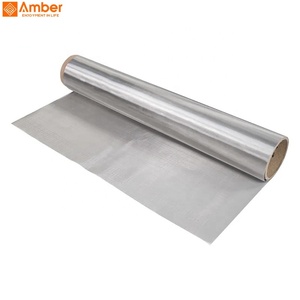
| Structured Gauze Packing | Delivers high theoretical stage efficiency (HETP) across low liquid rate vacuum columns | N/A (Up to 500 m²/m³) | Extremely Low (0.1 – 0.5 mbar/m) | SS304, SS316L, Nickel 200, Copper / Brass Alloys |
| Sintered Porous Retention Tubes | Multi-layer diffusion-bonded fluid extraction, catalyst retention & fine screening | 28% – 45% (Pore controlled) | Moderate (Engineered to micron rating) | Porous Sintered SS316, Hastelloy, Monel |
| Multi-Pass Valve / Sieve Trays | Staged cross-flow gas-liquid contact for refinery distillation towers and strippers | 10% – 25% Active Area | Moderate to High (4 – 8 mbar/tray) | SS304, SS316L, Carbon Steel, 410 Stainless |
How global EPC firms, chemical manufacturing plants, and refinery revamp projects are modernizing process internal engineering.
Modern column revamps increasingly demand zero-hot-work installations. Next-generation bed limiters are designed with segmented panels engineered to slip easily through standard 18-inch to 24-inch vessel manholes, featuring cam-lock fastenings that eliminate field welding.
With harsher bio-refining, sour gas sweetening, and halide distillation operations expanding, plant operators are turning away from basic austenitic steels in favor of Hastelloy C-276, Inconel 625, and high-nickel alloys to combat severe stress corrosion cracking.
Custom bed limiter procurement is now tied directly to CFD-backed vapor distribution modeling. Suppliers must verify that hold-down crossbars do not produce localized drag wakes that could disturb secondary reflux distribution streams.
Global regulatory compliance mandates comprehensive heat number traceability from melt shop to finished stamped wire panels. EPCs now require EN 10204 3.1 certification, positive material identification (PMI), and dye-penetrant weld testing on all load-bearing gussets.
Rapid deployment of point-source amine CO&sub2; absorption towers requires massive column diameters (exceeding 8 to 12 meters). Bed limiters must withstand elevated structural loads and turbulent gas rushes without adding structural deadweight to tall industrial columns.
Established in 1998, Ambani Metals has accumulated over 25 years of specialized metallurgical and fabrication expertise, serving Tier-1 chemical manufacturers, engineering procurement contractors (EPCs), and multinational industrial plants across more than 20 countries. Operating from state-of-the-art facilities in India, our manufacturing campus integrates every phase of column internal manufacturing under one roof:
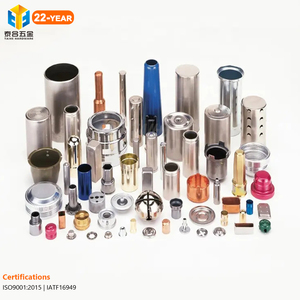
Full-Scope In-House Metal Processing: From progressive deep drawing, precision sheet metal stamping, CNC hydraulic press-brake forming, to perforated sheet punching and specialty alloy wire cloth weaving, we maintain complete dimensional and structural control over all bed limiter components. This turnkey fabrication infrastructure eliminates supply chain markups, mitigates delivery bottlenecks, and accelerates critical turnaround projects.
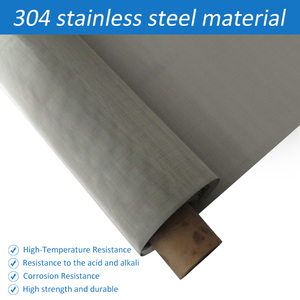
Uncompromising Metallurgical Integrity: Every heat of stainless steel (304, 304L, 316, 316L, 321, 310S), Monel, Hastelloy, Inconel, Pure Nickel, and Titanium Gr. 2 is thoroughly validated with full chemical and mechanical mill test certificates (MTCs). Third-party inspection agencies (including Bureau Veritas, DNV, SGS, and TÜV) routinely witness dimensional audits, ultrasonic testing, and weld integrity assessments on our factory floor.
Export Logistics & Turnkey Packaging: Serving prominent industrial zones across the UAE, Saudi Arabia, the wider Gulf region, the United States, Australia, and Canada, our components are crated in seaworthy, moisture-sealed, ISPM-15 compliant timber cases. Every internal panel, clamp ring, and hardware kit is sequentially indexed with laser-etched tagging for clear assembly against project blueprints.
Critical engineering considerations, material selection guidelines, and ordering protocols answered by our technical staff.
Connect directly with our senior process and mechanical engineering team to evaluate your column data sheets, review drawings, and secure competitive OEM manufacturing rates.
Contact Us