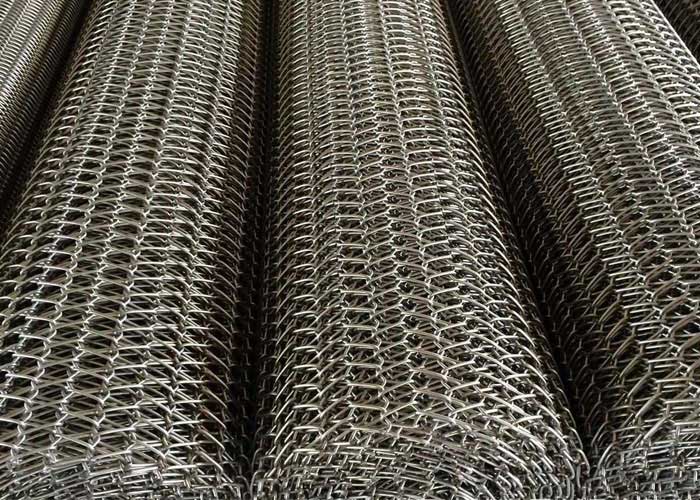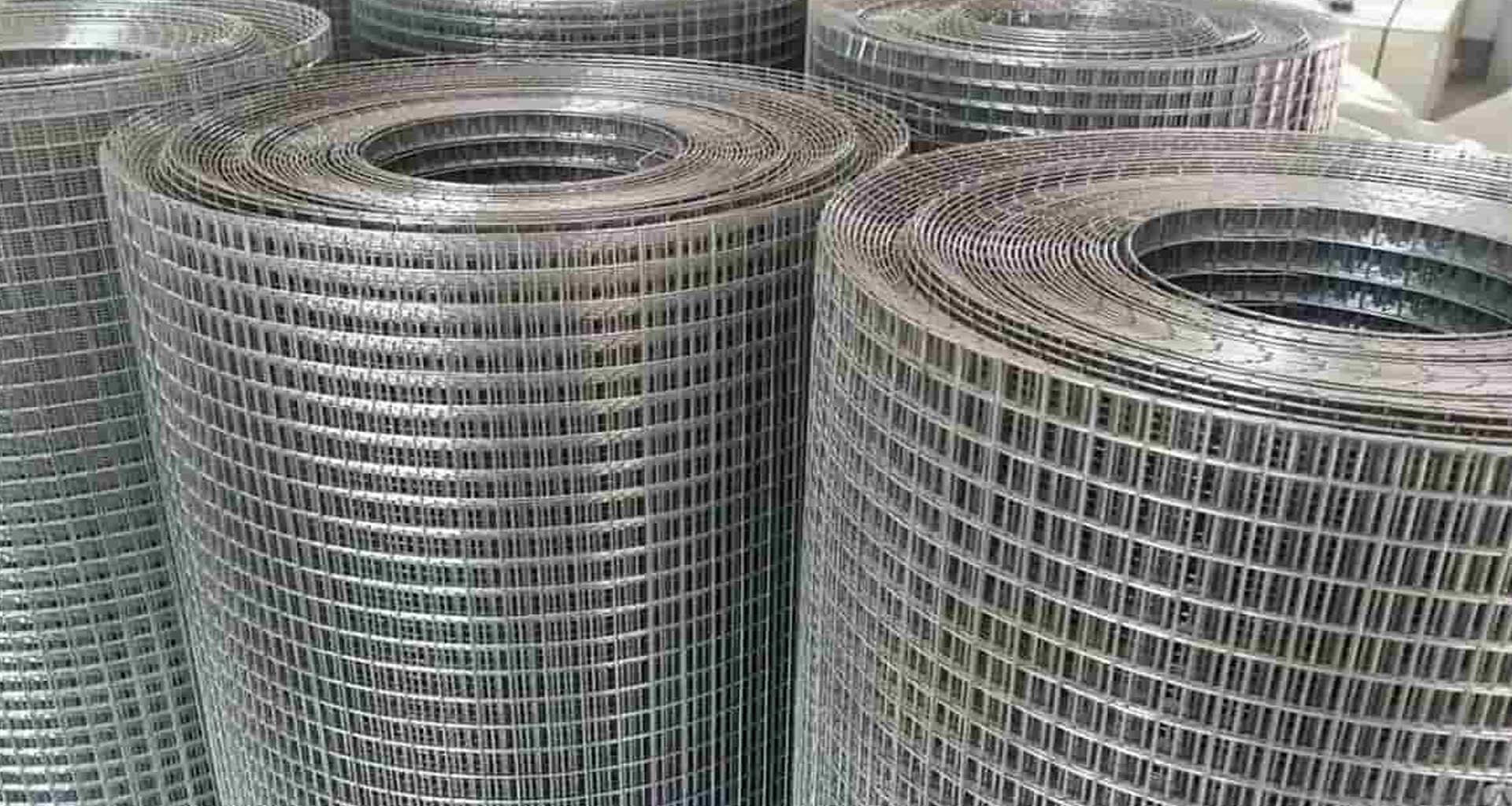
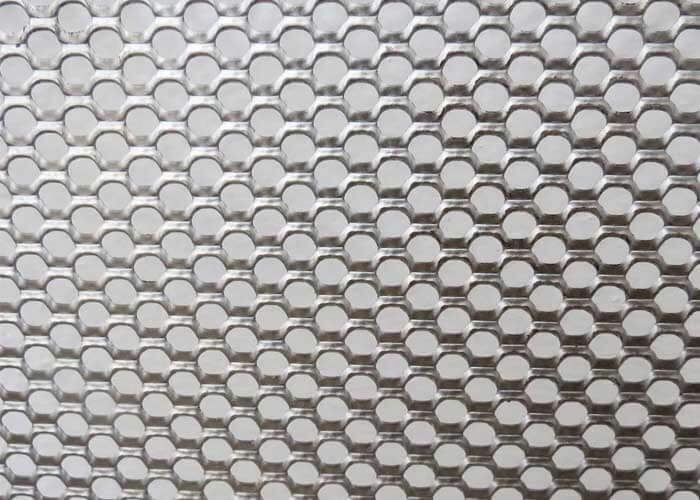
Titanium wire mesh and specialty alloy wire cloth manufactured by Ambani Metals
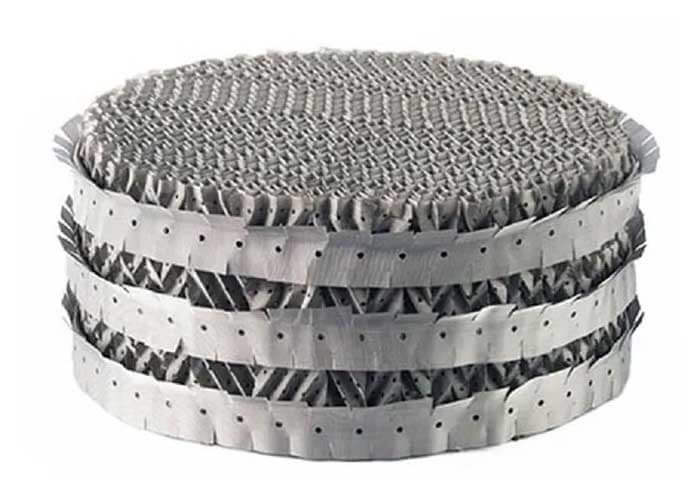
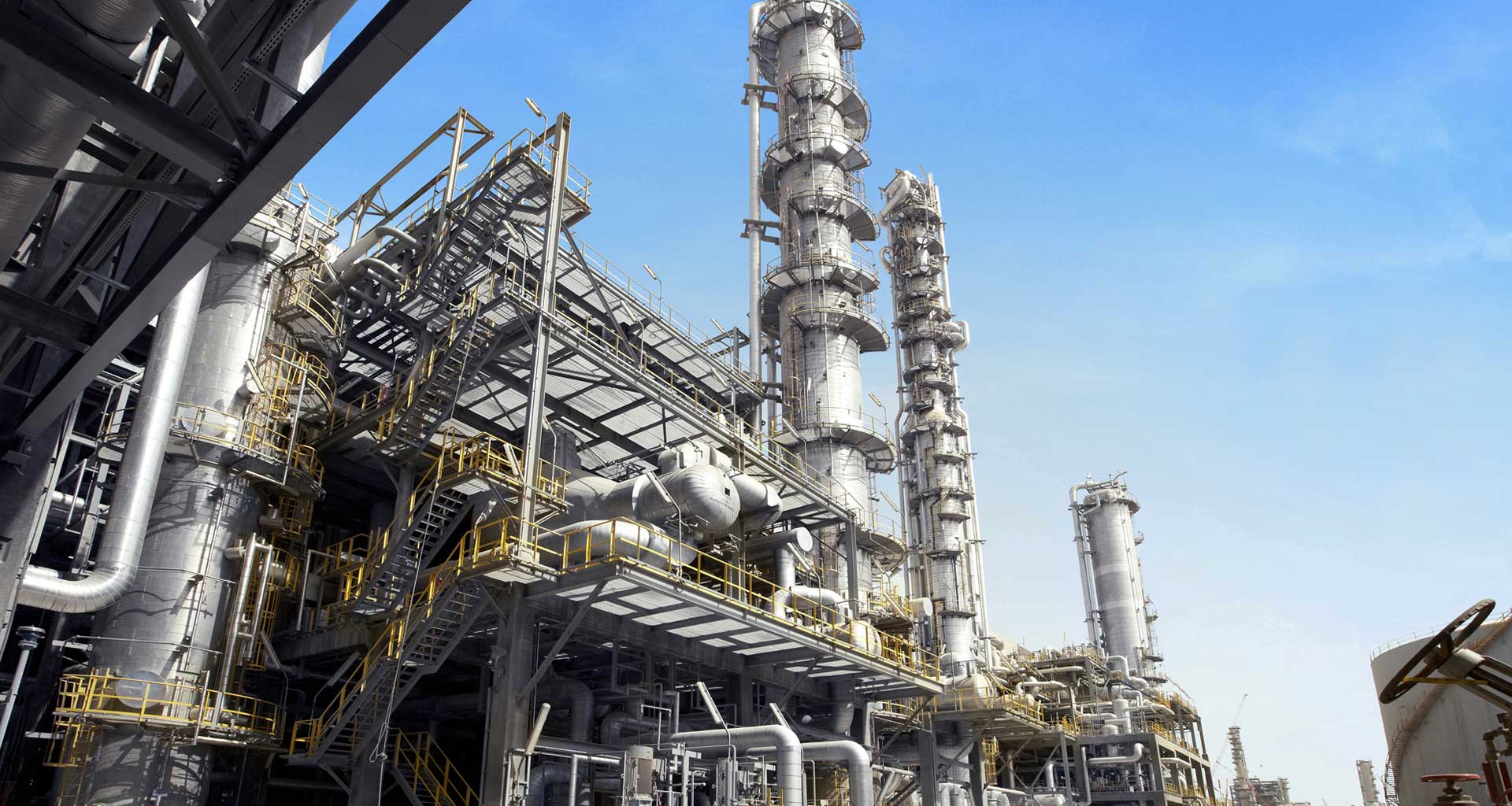
Distillation column trays and high alloy mass transfer internals manufactured in India
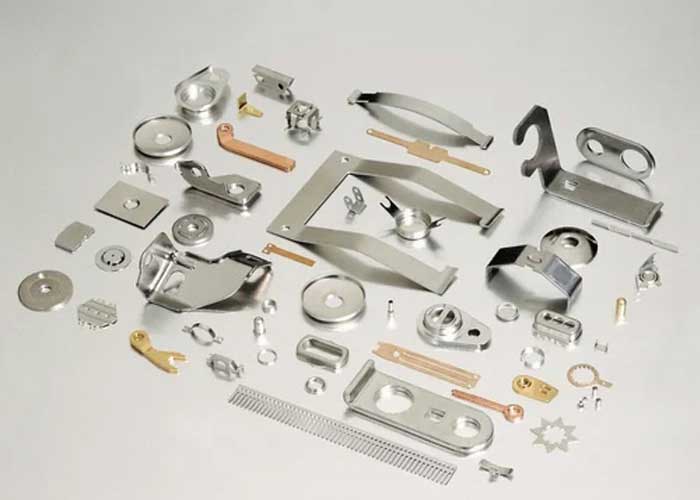
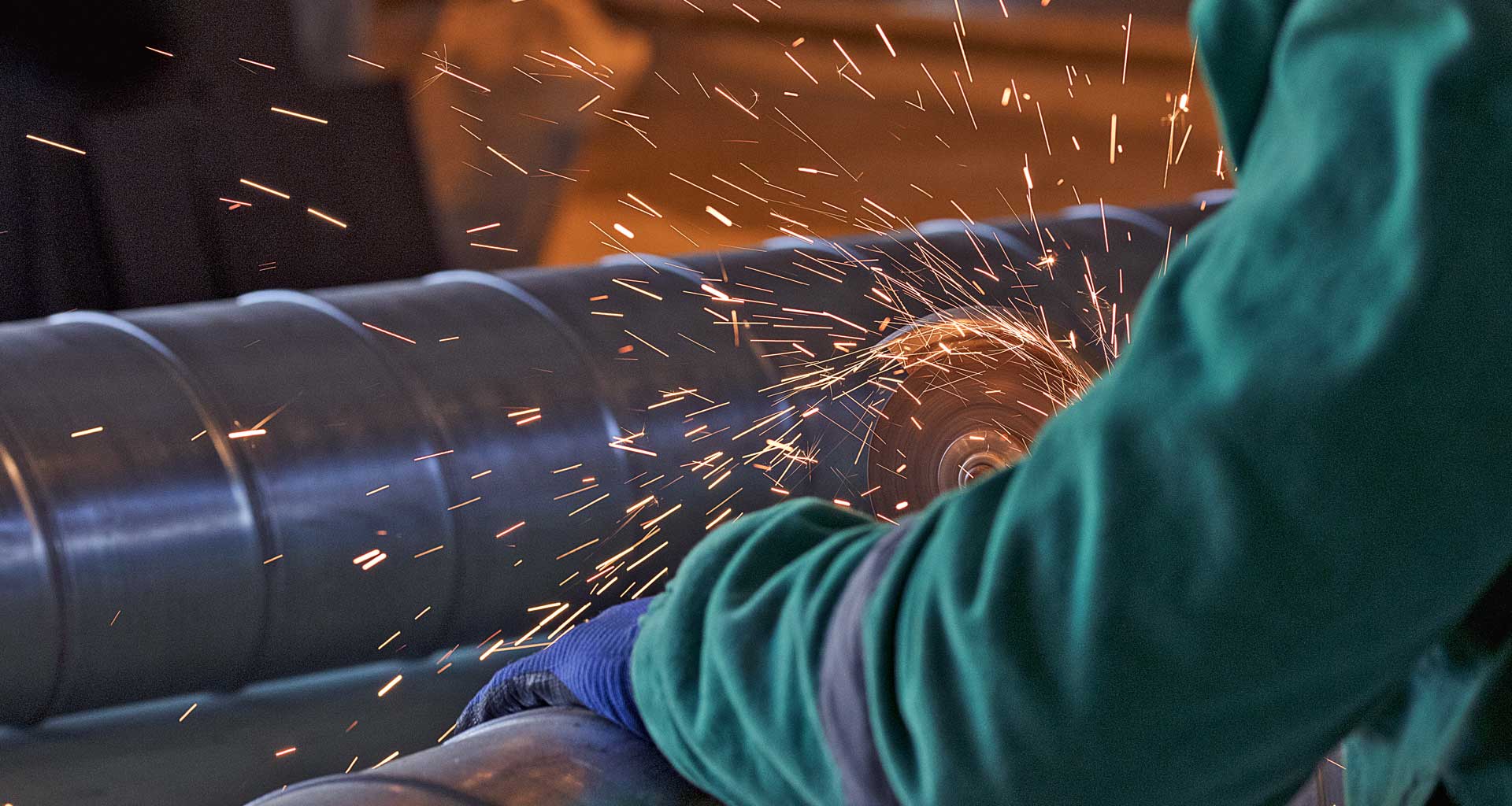
Deep drawn and precision stamped titanium and nickel alloy components
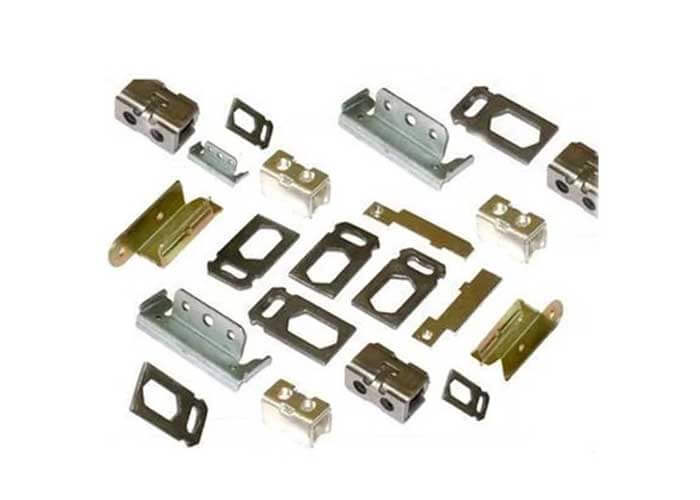
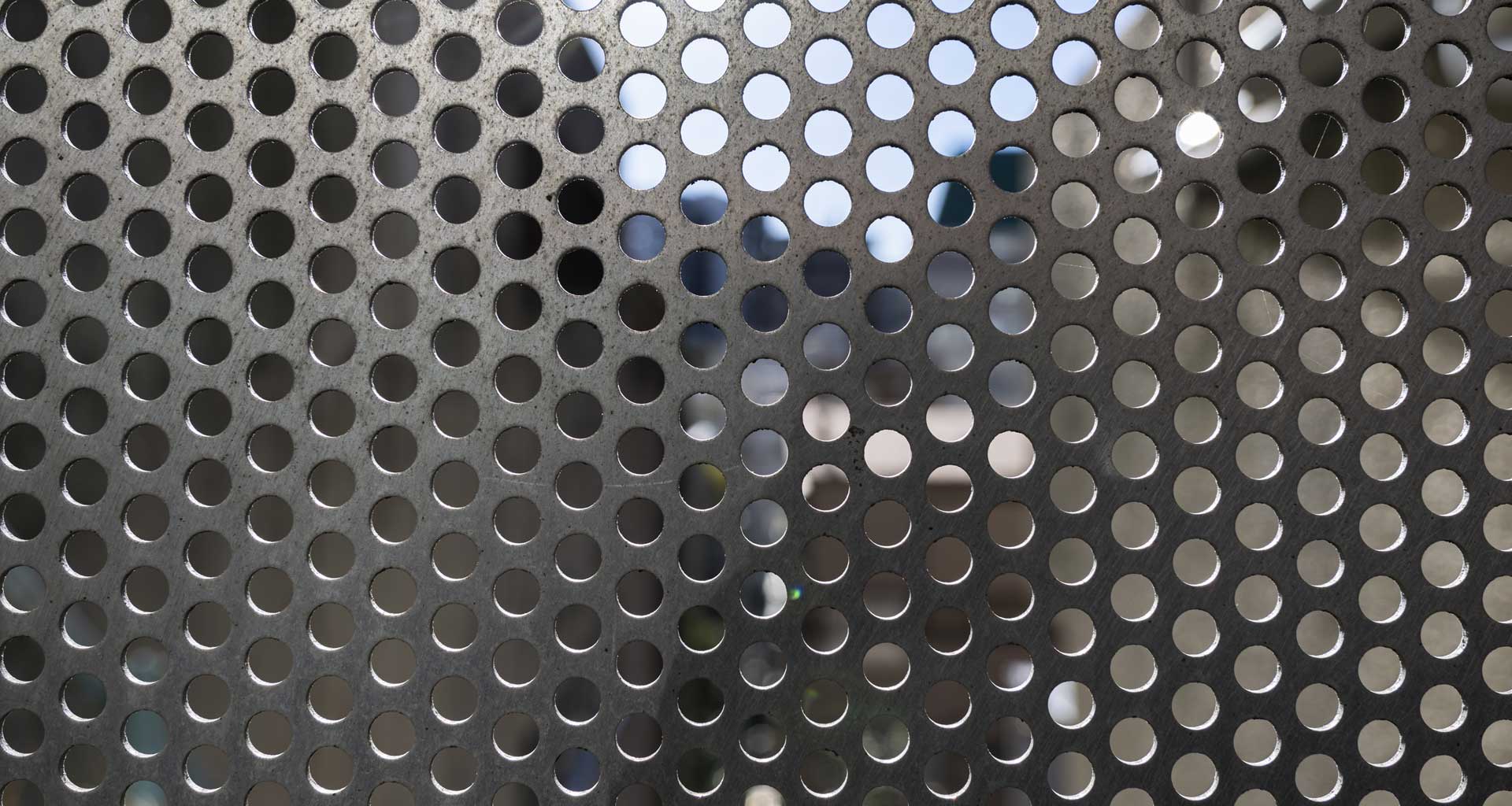
Perforated titanium screens and filter cylinders for offshore and chemical plants
Engineering Excellence · ASTM B863 / ASTM E2016 Certified · Since 1998

Titanium Wire Mesh Procurement Guide: Grade Selection, Electrolyzer Trends & Industrial Sourcing

As the global transition toward decarbonization, green hydrogen generation, and aggressive seawater desalination accelerates, industrial plant engineers and international procurement heads face mounting operational challenges in corrosive, chloride-rich, and high-potential operating environments. Titanium Wire Mesh has emerged as the definitive material of choice where conventional austenitic stainless steels like 304 and 316 fail catastrophically due to chloride-induced stress corrosion cracking (CSCC) and severe localized pitting. For over 25 years, Ambani Metals has manufactured and exported high-purity Grade 1 (UNS R50250) and Grade 2 (UNS R50400) titanium wire mesh, specialty woven wire cloth, and bespoke catalytic anode substrates to more than 20 countries across North America, Europe, Australia, and the Middle East. Whether your application requires micro-fine square meshes for gas diffusion layers in PEM electrolyzers, rigid twilled weaves for chlor-alkali cell diaphragms, or high-volume demister pads for offshore scrubbers, our in-house metallurgical verification, precision shuttle looms, and ISO-compliant quality gates guarantee unmatched geometric accuracy, chemical stability, and operational longevity.

Get Catalog
Over
0

Years of Engineering Heritage

Serving Over
0

Global Industrial Clients

Direct Export to
0

Nations Across 4 Continents

Aperture Range
0

Down to 5 Micron Precision

Technical Specification & Weave Selection Matrix

Selecting the precise weave style and grade ensures operational success, stable pressure drop coefficients, and optimal mechanical formability. Reference the standardized comparative parameters below.

Mesh Count / Spec Wire Diameter (mm) Aperture Size (mm / μm) Open Area (%) Weave Geometry Primary Industrial Application
10 × 10 Mesh 0.60 mm 1.940 mm 58.4% Plain Weave Chlor-Alkali Coarse Strainers & Marine Debris Intake Grids
20 × 20 Mesh 0.40 mm 0.870 mm 46.9% Plain Weave Cathodic Protection Anode Screens & Chemical Catalyst Baskets
40 × 40 Mesh 0.25 mm 0.385 mm 36.8% Plain Weave Brine Desalination Pre-Filters & Column Demister Knitted Mist Meshes
60 × 60 Mesh 0.18 mm 0.243 mm 33.0% Plain Weave Electrochemical Cells, Hydrogen Gas Diffusion & Battery Collector Mats
100 × 100 Mesh 0.10 mm 0.154 mm (154 μm) 36.8% Plain / Twill Fine Acid Clarification, Pharmaceutical Crystallization Sieves
200 × 200 Mesh 0.05 mm 0.077 mm (77 μm) 36.8% Twill Weave Aerospace Hydraulic Line Filtration & Micro-Particle Gas Purifiers
24 × 110 Dutch 0.35 / 0.25 mm Nominal 80 μm N/A (Depth) Plain Dutch High-Pressure Vacuum Dewatering & Corrosive Slurry Separation
165 × 1400 Dutch 0.07 / 0.04 mm Absolute 10 μm N/A (Depth) Twill Dutch Critical Fuel Filtration, Corrosive Liquid Clarification Down to Sub-Micron

All meshes are woven using ASTM B863 Grade 1 (Annealed) or Grade 2 wire. Custom roll slit widths (from 10 mm ribbons up to 2000 mm master rolls) and fabricated stampings are available upon request. Cross-reference alongside our complementary wire mesh products, distillation column trays, and column internals.

Integrated Precision Fabrication & Value-Added Manufacturing

At Ambani Metals, our engineering value goes beyond supplying raw rolls of wire cloth. Utilizing our complete in-house metalworking ecosystem, we deliver install-ready, finished structural components engineered to your assembly blueprints.

Precision Stamping & Die Cutting

From single discs to intricate polygon shapes, we produce burr-free stamped parts and gasketed screen edges holding tolerances under ±0.05 mm.

Welded Filter Cylinders & Pleated Cartridges

Specialized inert gas micro-plasma and TIG seam welding ensures structural integrity without embrittling or degrading the titanium core.

  • Multi-layer sintered cylindrical filter elements
  • Conical strainers, candle filters, and demister packs
  • Supported by heavy-duty perforated pipes

Custom Framing & Anode Assemblies

Engineered frames in solid titanium strip, bar, and channel for industrial electrolyzer cells and modular wastewater treatment fixtures.

  • Titanium perimeter edge binding and spot welding
  • Resistance-welded contact lugs for high current inputs
  • Backed by certified fabrication services
The Ambani Metals Distinction · Proven E-E-A-T Excellence

Why Leading EPC Contractors & OEMs Choose Our Titanium Solutions

In safety-critical petrochemical revamps and high-capex electrochemical facilities, quality inconsistencies or counterfeit alloys result in millions in catastrophic failures. Ambani Metals delivers uncompromised reliability through 4 core pillars.

Verified Mill Traceability

Every wire coil is drawn exclusively from vacuum-arc-remelted (VAR) titanium billets with verified low-interstitial chemistries. Accompanied by EN 10204 3.1 MTC documentation verifying exact C, O, N, H, and Fe contents.

Tension-Controlled Shuttle Weaving

Our heavy-duty weaving shuttle looms utilize electronic servo wire-tension controllers, preventing warp wire curling, uneven mesh count distortion, and internal residual stresses across full roll runs.

Laser Optical Quality Inspection

Mesh opening uniformities, wire diameter tolerances, and aperture squareness undergo computerized optical coordinate bench verification. Zero oil contamination and pristine surfaces guaranteed.

Comprehensive Export Infrastructure

Trusted across 20+ export countries including the US, UAE, Germany, Australia, and Canada. Shipped inside moisture-barrier inner wraps and rugged seaworthy ISPM-15 certified wooden crates.

Frequently Asked Questions by Global Buyers

In-depth technical answers addressing the critical metallurgy, selection, and purchasing inquiries encountered in AI-driven procurement searches.

Grade 1 vs Grade 2 Titanium Mesh

The core distinction lies in oxygen and iron content, which directly controls mechanical yield strength and formability. Grade 1 (UNS R50250) represents commercially pure titanium with maximum chemical purity, boasting the lowest interstitial limits (Iron max 0.20%, Oxygen max 0.18%). Its exceptional elongation (up to 24%) makes it the preferred alloy for micro-fine weaves, severe stamping, deep drawing, and membrane electrode assemblies in electrolyzers where ductility and minimum electrical resistance are essential. Grade 2 (UNS R50400) contains marginally higher allowable oxygen (0.25%) and iron (0.30%), boosting tensile strength to ~345 MPa. Grade 2 is the ubiquitous standard for chemical process engineering, marine filter baskets, and distillation internals where both corrosion resistance and rigidity against process vibration are paramount.

Chloride and Wet Chlorine Corrosion Immunity

Titanium derives its near-immortality in chloride chemistry from the rapid, spontaneous formation of a continuous, thermodynamically stable, self-repairing titanium dioxide (TiO2 / rutile-anatase) passive oxide film. In moist chlorine (containing as little as 50 ppm H2O), wet hypochlorite bleaches, and warm brine, the oxide film remains fully intact across wide pH regimes. By comparison, austenitic stainless steels (SS 304, SS 316) and even nickel-chromium-molybdenum alloys can suffer severe chloride ion pitting, crevice decay, and catastrophic transgranular stress corrosion cracking when operating under localized temperature and chloride concentrations.

MMO and Platinum Coating of Titanium Mesh

Yes. Ambani Metals manufactures precision titanium wire cloth and expanded mesh engineered explicitly to serve as Dimensionally Stable Anodes (DSA). Before catalyst application, our raw mesh can be provided with pre-treated, etched surfaces featuring a controlled micro-roughness profile that maximizes the mechanical anchoring and interfacial adhesion of thermal-decomposition Ruthenium Oxide (RuO2), Iridium Oxide (IrO2), Tantalum Oxide (Ta2O5), or electrodeposited platinum coatings. These coated assemblies are deployed worldwide in water electrolysis cells, impressed current cathodic protection (ICCP), and sodium chlorate reactors.

Fine Weave Configurations

While Plain Square Weave is optimal for uniform two-dimensional screening up to 150 mesh, fine particle filtration and high differential pressure duties necessitate Dutch Weave (Plain Dutch or Twill Dutch) wire cloth. Dutch weaves combine thick, robust warp wires with ultra-dense, fine-diameter weft wires driven tightly together. This creates tortuous, wedge-shaped pore channels capable of capturing particulates down to 5 to 10 microns absolute while delivering vastly superior mechanical burst and collapse strength compared to equivalent micron-rated square weaves.

MTC and Quality Traceability

Every commercial and custom dispatch is accompanied by an extensive quality documentation package. This includes full EN 10204 Type 3.1 Material Test Certificates (MTC) citing raw melt heat numbers, verified chemical analysis (O, N, C, H, Fe, and Ti balance), tensile test reports conforming to ASTM B863, and dimensional inspection reports detailing mesh counts, aperture uniformity, and wire caliper data per ASTM E2016. Third-party visual and metallurgical inspections (TUV, DNV, SGS, Bureau Veritas) are routinely hosted at our manufacturing facilities upon request.

Ready to Order Certified Titanium Wire Mesh or Custom Fabrications?

Contact our metallurgy specialists: +91-9930498858 · [email protected]

Get Catalog Contact Our Team