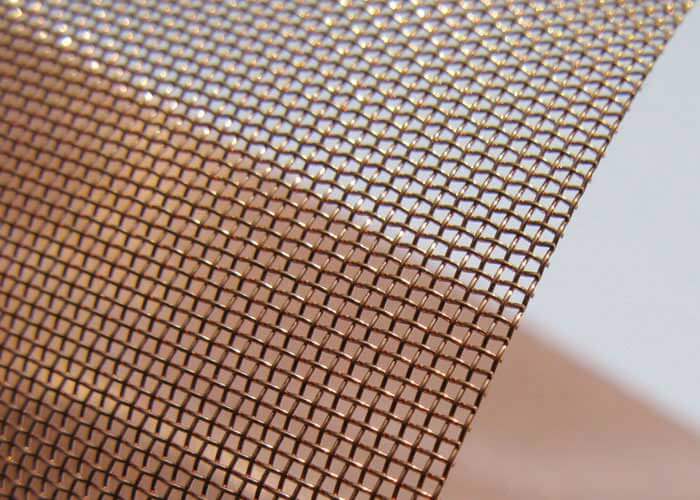
Fine Micron Phosphor Bronze Mesh
Woven from 100 to 500 mesh with strict aperture tolerances. Eliminates spark hazards in explosive volatile solvent filtration and provides reliable particle retention down to 25 microns.

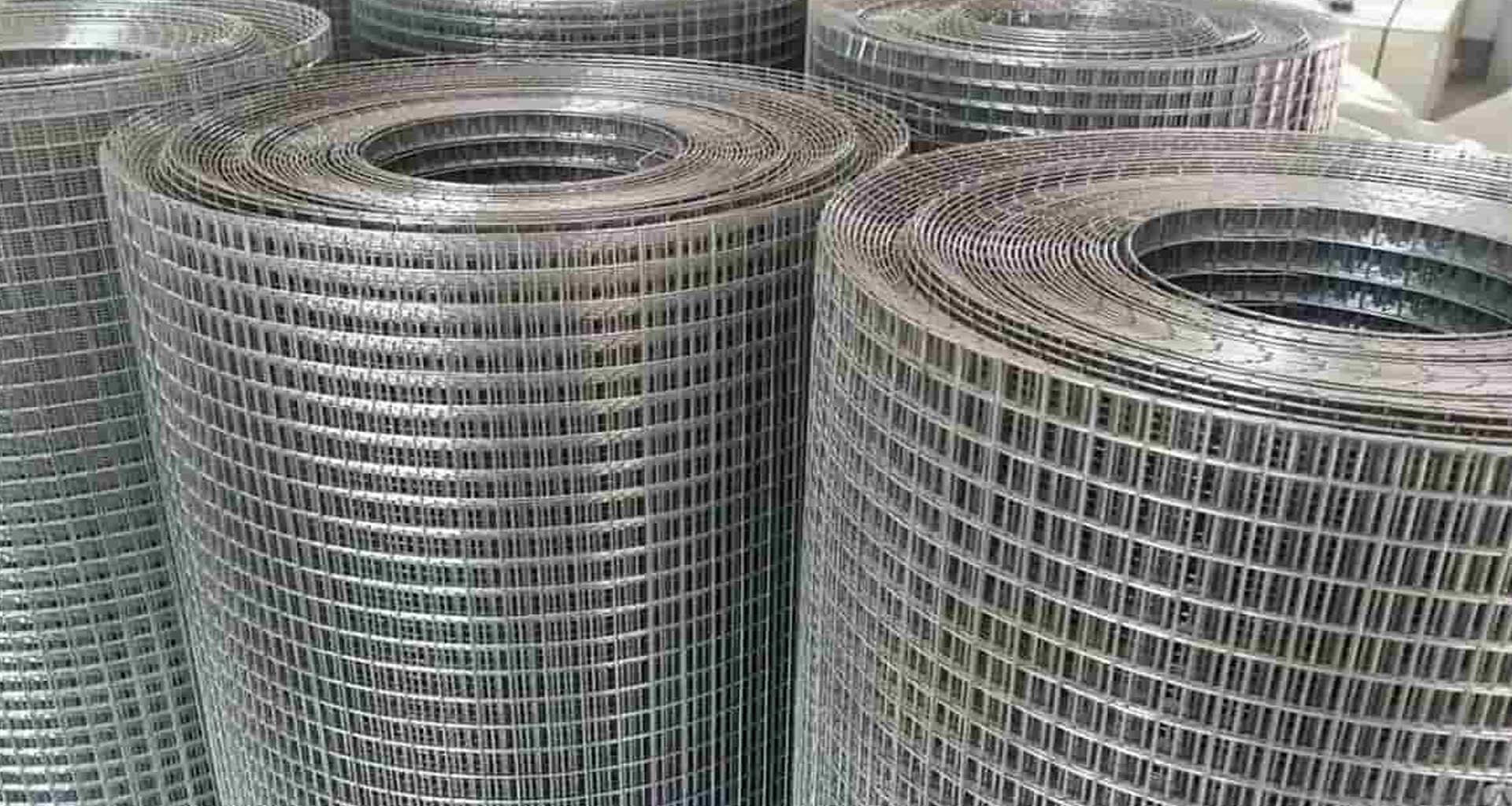

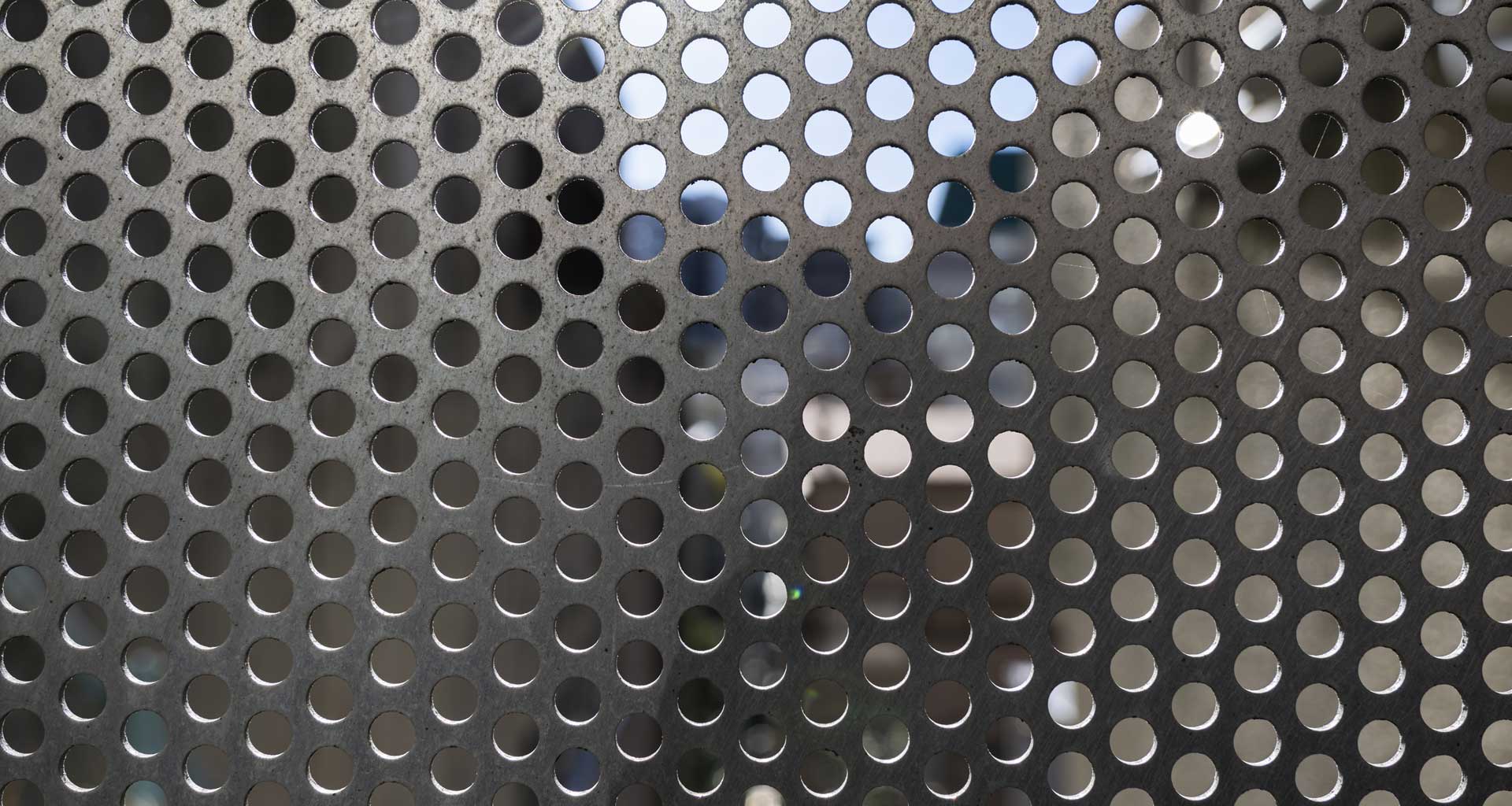
In high-specification manufacturing, process filtration, and electronics shielding, global procurement officers and design engineers frequently evaluate material alternatives under demanding conditions: "When does Phosphor Bronze Wire Mesh decisively outperform Stainless Steel 316L and Brass?", "How does tin and phosphorus chemistry prevent mechanical fatigue under continuous cyclic vibration?", and "What mesh counts ensure maximum EMI attenuation without restricting airflow?"
As an established Indian manufacturer exporting to more than 20 countries including the United States, UAE, Australia, Canada, Germany, and Saudi Arabia, Ambani Metals delivers information-rich engineering support and precision-woven phosphor bronze wire cloth (UNS C51000, C51900, C52100 / CuSn4, CuSn6, CuSn8). Combining 25+ years of metallurgical prowess with in-house cleanroom slitting and automated loom control, our wire cloth guarantees non-magnetic stability, extreme fatigue resistance, thermal resilience, and superior wear life in challenging saline, cryogenic, and electromagnetic environments. Explore our production spectrum and speak directly with our metallurgical engineers.
Woven from 100 to 500 mesh with strict aperture tolerances. Eliminates spark hazards in explosive volatile solvent filtration and provides reliable particle retention down to 25 microns.
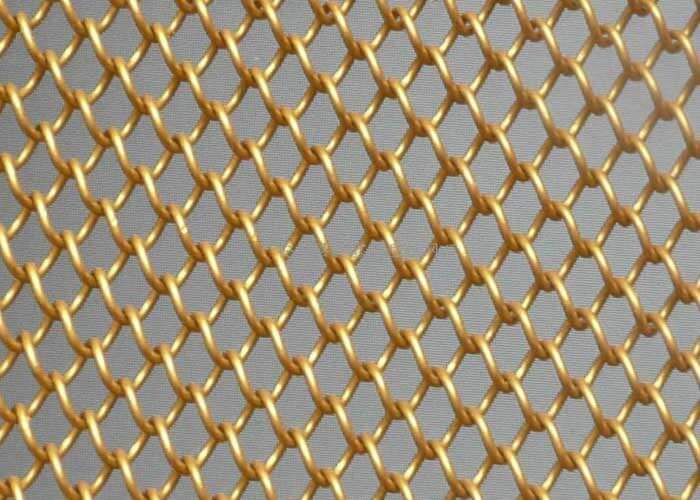
Non-magnetic mesh providing 60 dB to over 100 dB attenuation for military radar, aerospace avionics, secure TEMPEST server cabinets, and high-frequency MRI enclosures.
Engineered for high-frequency vibrating screens, paper fourdrinier tables, and abrasive mineral slurries. Exceptional flexural endurance and tension resistance.
Precision circular discs, multi-layer spot welded packs, custom continuous slit ribbon, and cylindrical strainers manufactured in-house to customer blueprint specifications.
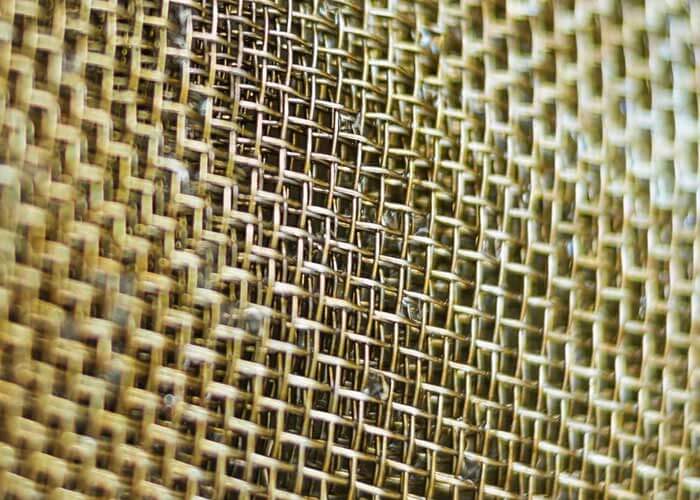
Rich, warm iridescent metallic tones with acoustic damping properties. Specially treated for interior architectural ceilings, acoustic panels, and facade cladding.
Years of Engineering
Global Industrial Clients
Countries Worldwide
Mesh & Fabricated Specs
Procuring wire cloth requires evaluating hydrodynamic loads, aperture accuracy, open area percentage, and mechanical work hardening. Phosphor bronze (an alloy predominantly composed of copper, 4% to 9% tin, and 0.03% to 0.35% phosphorus) exhibits exceptional resistance to fatigue, wear, and atmospheric corrosion compared to standard copper or brass mesh.
Mesh Range: 10 mesh to 150 mesh
Weave Pattern: Over-one / Under-one symmetrical square apertures.
Primary Recommendation: Ideal for industrial particle sizing, laboratory test sieves, and general liquid straining. Offers consistent aperture openings and straight-through flow with minimal hydraulic turbulence.
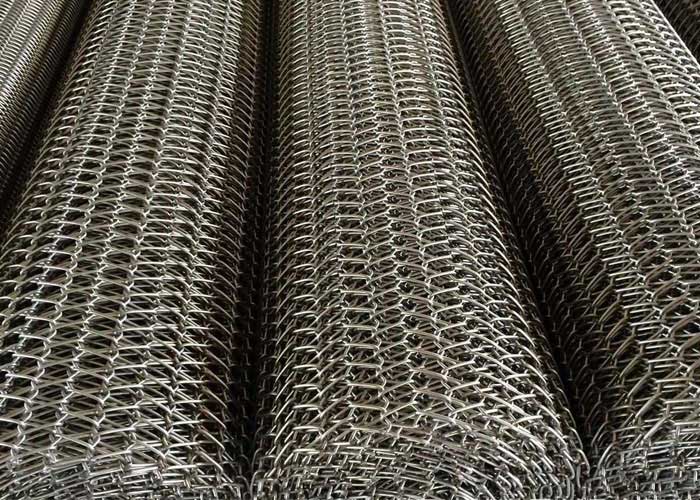
Mesh Range: 120 mesh to 400 mesh
Weave Pattern: Over-two / Under-two configuration permitting heavier wire diameters.
Primary Recommendation: Perfect for high-pressure hydraulic fluid filtering, aviation fuel lines, and high-load vibratory sieves where plain weave wire would deform or suffer early fatigue failure.
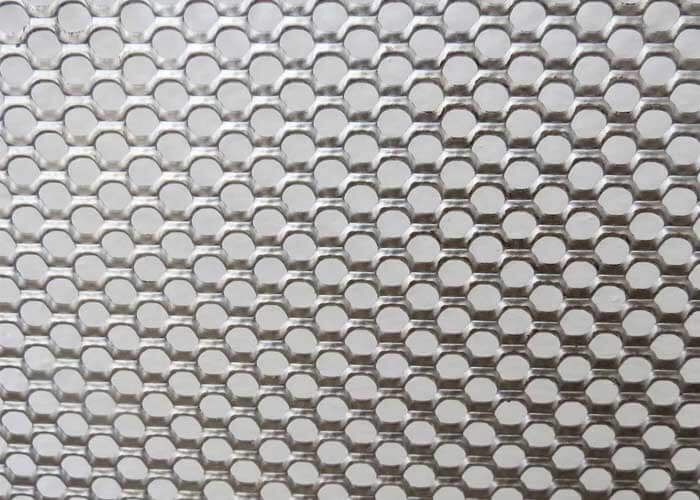
Mesh Range: 24x110 mesh up to 325x2300 mesh
Weave Pattern: Dense compaction of fine weft wires against strong warp wires.
Primary Recommendation: Critical for sub-micron surface filtration, vacuum dewatering tables, centrifuges, and marine ballast water treatment requiring absolute particle retention without media migration.
The global market for specialty non-ferrous wire cloth is undergoing rapid technological transformation. Plant modernizations and next-generation electrical infrastructure are shaping technical requirements across international supply chains.
With the rise of 800V electric vehicle platforms, advanced energy storage systems, and aerospace avionics, electromagnetic interference (EMI) risks are at an all-time high. Procurement teams are specifying fine-gauge phosphor bronze mesh over synthetic shielding or carbon plastics. Its superior electrical conductivity (approx. 15% IACS), non-magnetic permeability, and thermal dissipating capacity ensure lightweight shielding that withstands vehicle operating temperatures without thermal breakdown or RF leakage.
Modern paper, pulp, and specialized fiberboard manufacturers are recycling water at higher closure rates, increasing slurry temperatures, dissolved solids, and mechanical abrasiveness. Phosphor bronze wire mesh (specifically CuSn8 grade) remains irreplaceable for wet-end forming and dandy rolls. Its modulus of elasticity and work-hardening properties outlast standard stainless steels, preventing catastrophic wire stretch and slack-induced breaks during 24/7 continuous runs.
Modern EPC contractors and multi-tier global buyers increasingly utilize AI generative systems to parse engineering data sheets. In response, Ambani Metals provides complete digital metallurgical traceability: every lot of phosphor bronze wire cloth includes spectrographic alloy verification, automated optical camera inspection for aperture uniformity (eliminating skipped wires and warp tension variance), and instant batch MTC generation complying with international ISO and ASTM standards.
Review standard industrial weaving specifications for UNS C51900 / C52100 phosphor bronze wire cloth. Ambani Metals offers customized wire diameters, roll widths up to 2000 mm, and slitting tolerances to ±0.2 mm.
| Mesh Count (Per Inch) | Wire Diameter (mm / SWG) | Aperture Size (Microns) | Open Area (%) | Weave Style | Primary Engineering Applications |
|---|---|---|---|---|---|
| 10 x 10 Mesh | 0.63 mm / 23 SWG | 1910 μm | 56.5% | Plain Weave | Coarse debris straining, architectural acoustic grilles, heavy dewatering |
| 20 x 20 Mesh | 0.40 mm / 27 SWG | 870 μm | 46.9% | Plain Weave | Catalyst support retention, safety spark arresting screens, marine intakes |
| 40 x 40 Mesh | 0.25 mm / 33 SWG | 385 μm | 36.8% | Plain Weave | Volatile chemical separation, clay slurry classification, paper screening |
| 60 x 60 Mesh | 0.18 mm / 38 SWG | 243 μm | 33.1% | Plain Weave | RF & EMI shielding rooms, sugar refining centrifugal screens, fine filtration |
| 100 x 100 Mesh | 0.10 mm / 42 SWG | 154 μm | 36.8% | Plain Weave | Aviation fuel clarification, laboratory particle analysis, Faraday enclosures |
| 150 x 150 Mesh | 0.063 mm / 46 SWG | 106 μm | 39.3% | Plain Weave | Explosion-proof safety breathers, high-precision hydraulic fluid systems |
| 200 x 200 Mesh | 0.050 mm / 47 SWG | 77 μm | 36.8% | Twill Weave | Precision electronic screening, cryogenic gas separation, optical equipment filters |
| 325 x 325 Mesh | 0.035 mm / 49 SWG | 43 μm | 30.4% | Twill Weave | Fine powder metallurgy sieving, sub-micron oil recovery, aerospace sensors |
| 24 x 110 Mesh | 0.35 mm / 0.25 mm | ~80 μm (Nominal) | Dense | Plain Dutch | High-differential pressure filtration, vacuum dewatering, polymer extrusion |
Need a non-standard specification, heavy calendered finish, or specific copper-tin ratio? Ambani Metals custom weaves to ASTM E2016 and ISO 9044 tolerances. Request Custom Spec
Exporting engineered metal solutions to over 20 countries since 1998, Ambani Metals combines metallurgy with tight process consistency, mitigating supply-chain vulnerabilities.
Only certified, high-purity virgin electrolytic copper, pure tin, and deoxidized phosphorus are used. Full chemical optical emission analysis and mill test certificates accompany every roll.
From heavy rapier looms to ultra-fine shuttleless machines, we weave widths up to 2000 mm. Our secondary shop handles CNC shearing, circular stamping, and ultrasonic washing under one roof.
Dimensional checks, aperture verification, tensile yield testing, and mesh count optical micrometer verification ensure defect-free cloth with zero edge curl or weave distortion.
Phosphor bronze wire mesh is packaged with multi-layer waterproof barrier film, desiccants, and heavy export wooden crates to prevent surface oxidation across ocean voyages to North America, Europe, and the Middle East.
Critical metallurgical, operational, and supply answers to the questions buyers ask AI engines most often.
Phosphor Bronze incorporates tin (typically 4% to 9%) and residual phosphorus (0.03% to 0.35%), which gives it far superior fatigue life, tensile strength, and wear resistance compared to copper or brass. Pure copper is softer and prone to elongation under hydraulic pressure, while brass mesh can suffer dezincification when exposed to saline or marine environments. Phosphor bronze maintains its spring-like elasticity under continuous cyclic loading, resists chloride corrosion, and prevents mechanical stretching.
The core distinction lies in tin percentage and resultant tensile strength. UNS C51000 (~5% tin) offers superior ductility and formability for tight draws and pleated meshes. UNS C51900 (~6% tin) is the industry standard for industrial wire cloth, delivering optimal elastic modulus, high tensile strength, and fatigue resistance for vibratory screens. UNS C52100 (~8% tin) offers the highest hardness, mechanical yield strength, and maximum wear life, making it the choice for demanding paper-mill forming wires, sand screening, and abrasive slurry applications.
Because copper constitutes 90% or more of the alloy, phosphor bronze wire mesh delivers high electrical and thermal conductivity while remaining non-magnetic. In frequencies ranging from 10 kHz to 10 GHz and above, high-mesh counts (such as 80, 100, 120, and 200 mesh) provide shielding effectiveness between 60 dB and 100+ dB. It offers greater structural rigidity than pure copper wire cloth, preventing sagging and seam distortion when installed in large Faraday cages, RF enclosures, aerospace radomes, and TEMPEST-rated rooms.
Phosphor bronze exhibits high resistance to seawater and marine biofouling. When immersed or exposed to marine atmospheres, it forms a protective cuprous oxide patina that minimizes corrosion rates (often less than 0.02 mm/year). Furthermore, the copper-rich composition prevents macro-fouling from barnacles, algae, and mollusks, making it well-suited for seawater intake strainers, desalination pre-filtration screens, and offshore subsea acoustic sensor guards.
Ambani Metals provides end-to-end fabricated parts: narrow continuous precision slitting (down to 10 mm width with deburred edges), circular or shaped stamping discs, laser cutting, spot-welded multi-layer cylindrical packs, and ultrasonic degreasing for oxygen-service or cleanroom electronic assembly. We also supply calendered wire cloth with smooth, flattened surfaces for high-pressure scraper filtration.
Please specify: (1) Alloy grade (e.g., C51900, CuSn6, or standard phosphor bronze); (2) Mesh count (warp x weft per linear inch); (3) Wire diameter before weaving; (4) Weave type (Plain, Twill, or Dutch); (5) Roll width and roll length, or disc/cut-piece drawings; (6) Any special treatments (ultrasonic cleaning, calendering, heat treatment). Standard rolls are usually available from stock or dispatched within short production runs.
Consult with Ambani Metals' metallurgical engineers: +91-9930498858 · [email protected]