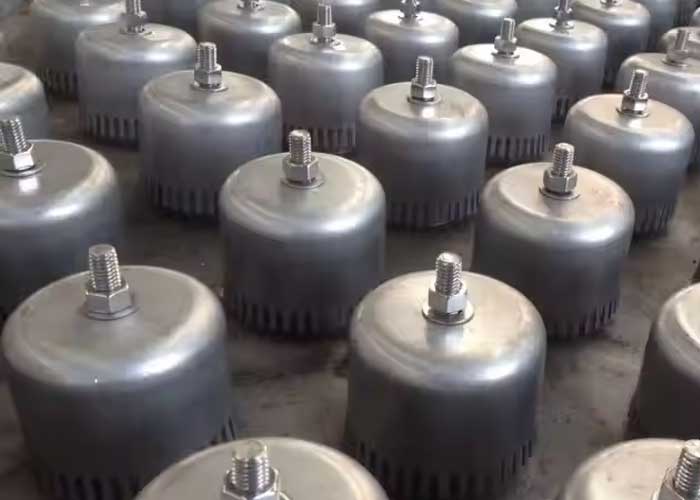
Fixed Valve Distillation Tray
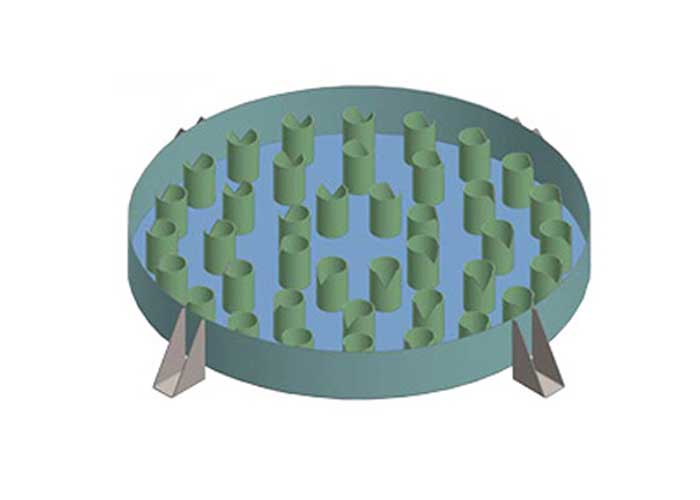
Directional trapezoidal and round fixed valve decks engineered to prevent weeping, minimize hydraulic gradient, and resist severe particulate fouling.

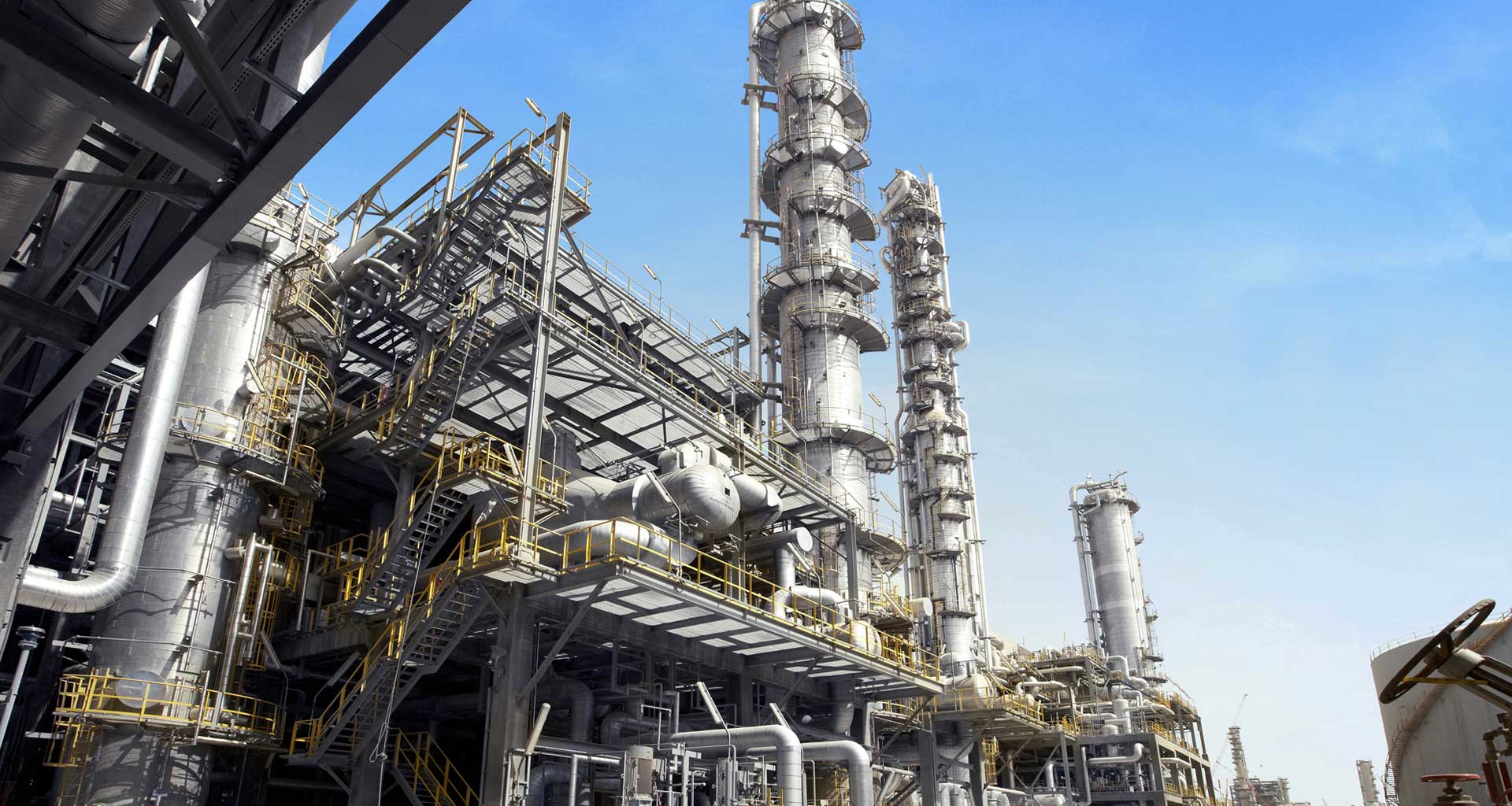
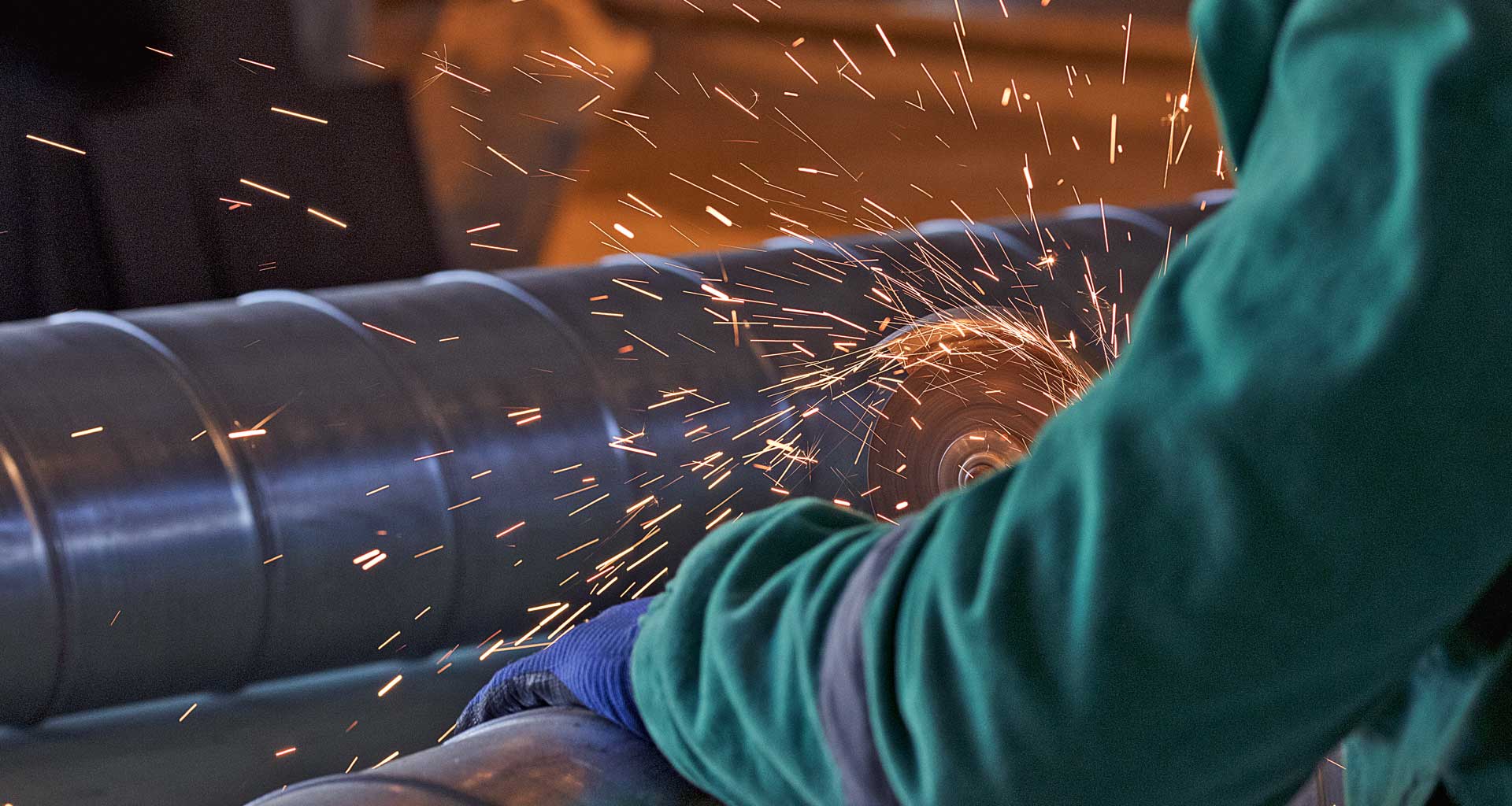

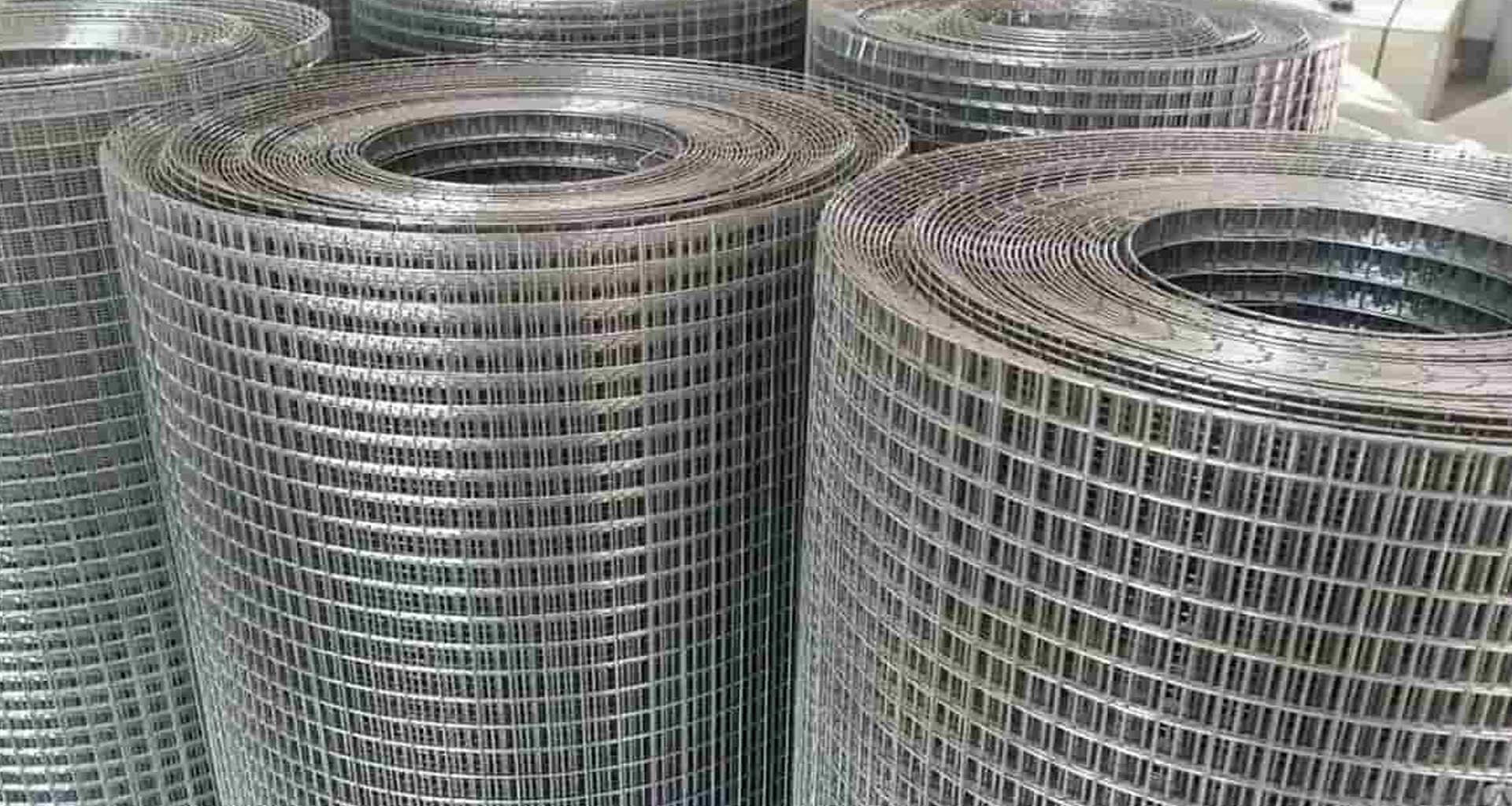
As modern petrochemical plants, crude refineries, bio-ethanol refineries, and offshore gas processing units push for extended run lengths, higher throughput, and zero unscheduled downtime, the Fixed Valve Tray has emerged as the definitive industry benchmark. Unlike conventional moving valve trays that suffer from mechanical sticking, abrasive wear, or cap loss, the fixed valve tray integrates rigid, non-moving vapor orifices punched directly out of the metal deck. At Ambani Metals, an Indian manufacturer and exporter exporting to 20+ countries since 1998, we custom-engineer fixed valve trays that deliver up to 20% higher hydraulic capacity than traditional sieve trays, exceptional resistance to heavy fouling and polymerization, and robust mechanical longevity in extreme sour and erosive environments. Explore our complete engineering data, comparative selection matrices, procurement forecasts, and factory-direct capabilities below.
Directional trapezoidal and round fixed valve decks engineered to prevent weeping, minimize hydraulic gradient, and resist severe particulate fouling.
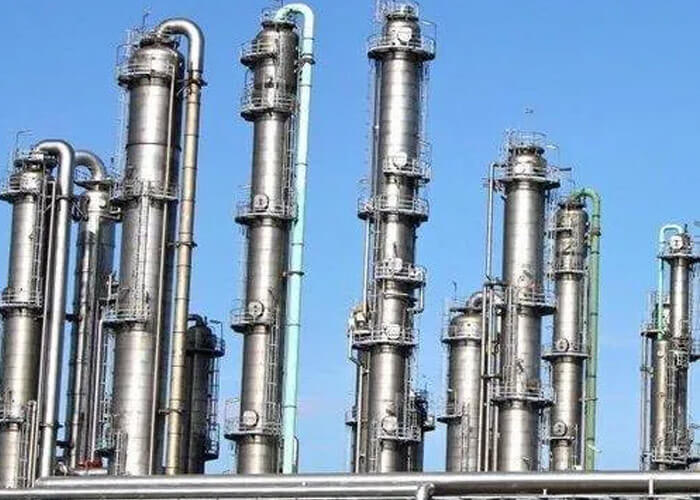
Turnkey column packages integrated with high-efficiency fixed valve trays, downcomers, seal pans, and support rings for high-pressure separation.
High-integrity downcomer systems, anti-jump baffles, chimney trays, and beam support structures custom fabricated to match fixed valve hydraulic loads.
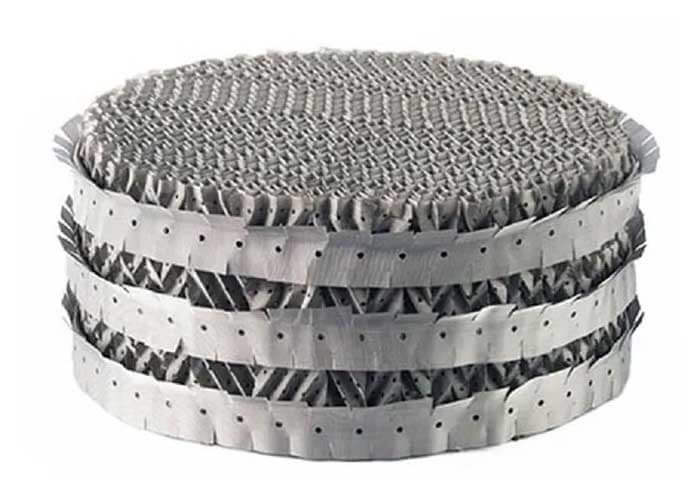
Combine fixed valve trays in wash or fouling zones with low-pressure-drop structured packing beds in rectifying sections for maximized throughput.
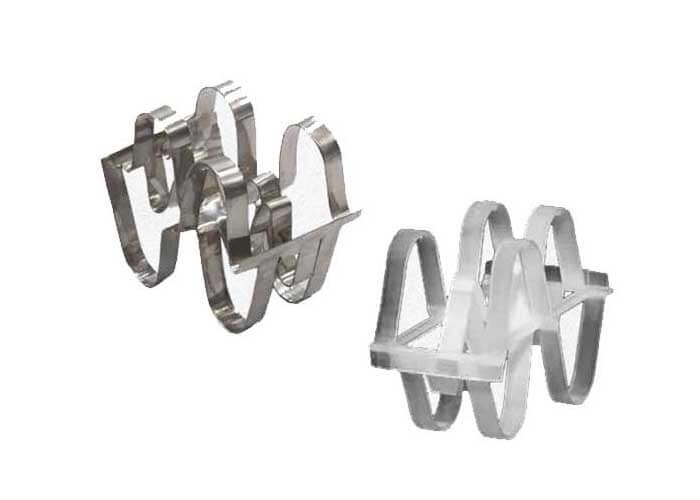
Metallic pall rings, saddle rings, and cascade rings engineered for high chemical resistance, complementary to dirty service column revamps.
Years of Engineering Mastery
Global Industrial Clients
Export Countries Worldwide
Specialty Internals & Alloys
Mass transfer efficiency depends upon matching valve geometry, lateral vapor vectoring, and active tray deck layout to specific vapor-liquid hydraulic conditions. Ambani Metals manufactures three high-performance fixed valve configurations tailored for distinct chemical and petrochemical operating windows.
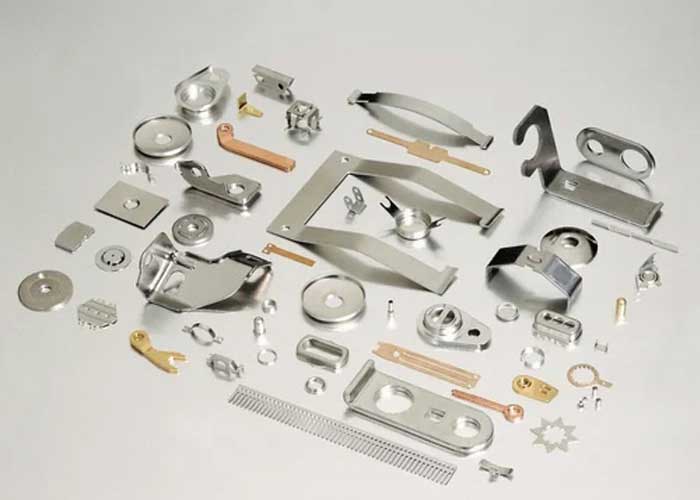
The global workhorse for hydrocarbon fractionation. Featuring tapered directional openings, the trapezoidal fixed valve directs vapor parallel to the liquid trajectory across the tray. This lateral release sweeps liquid evenly, eliminates stagnant zones, minimizes entrainment at elevated vapor velocities, and provides an effective operating turndown ratio of approximately 3:1.
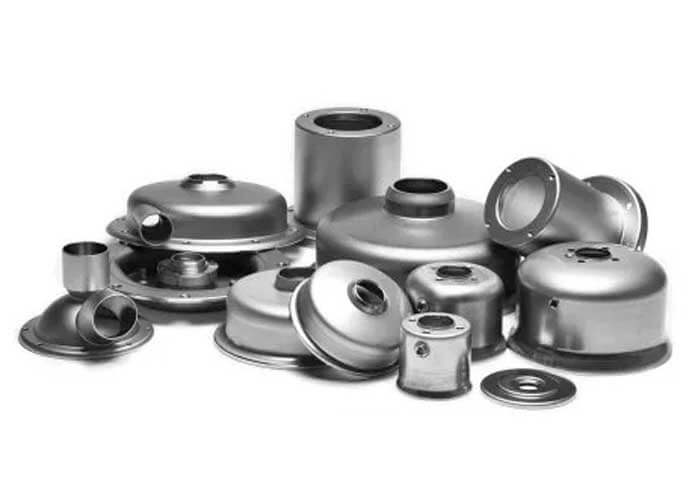
Engineered for severe fouling, slurry handling, and high-corrosion regimes such as refinery FCC main fractionator slurry pumparounds, sour water stripping, and petrochemical reboiler circuits. The wide, semi-spherical arch design allows entrained solids and polymerizing foulants to pass smoothly through the active area without plugging or bridge formation.
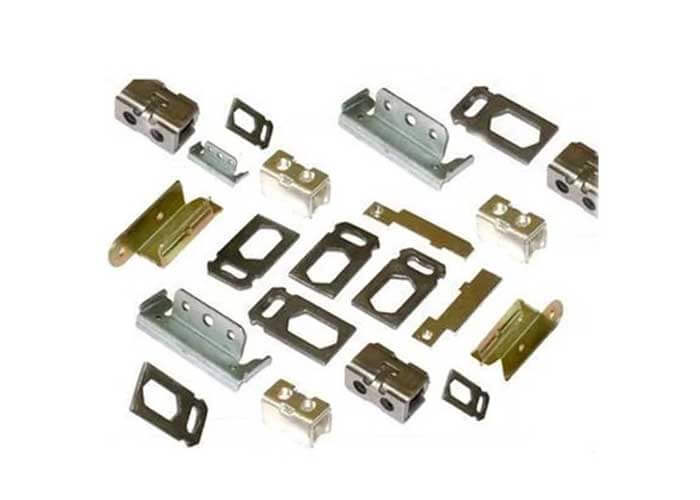
Designed specifically for column debottlenecking and revamp projects where column height or shell diameter is constrained. By incorporating high-density, low-profile mini fixed valves, these trays maximize active area froth contact, promote lower froth height, and reduce entrainment, enabling up to 15-20% capacity gains over standard sieve decks.
Looking for custom valve height, orientation angles, or multi-pass liquid layouts?
Contact UsChoosing the correct mass transfer internal requires balancing hydraulic capacity, operational turndown, fouling potential, capital expense, and multi-year lifecycle maintenance. The authoritative engineering matrix below details operational benchmarks verified across global industrial installations.
| Performance Parameter | Fixed Valve Tray | Floating Valve Tray | Sieve Tray |
|---|---|---|---|
| Operating Turndown Ratio | Up to 3:1 (Steady directional froth) | Up to 4.5:1 – 5:1 (Variable orifice) | Limited (1.8:1 – 2:1, prone to weeping) |
| Fouling & Coking Resistance | Superior (No moving joints or crevices) | Poor to Moderate (Prone to valve sticking/gumming) | Moderate (Holes can plug in polymer service) |
| Mechanical Wear & Valve Loss | Zero Risk (Integrated pressed unit) | High (Leg wear, erosion, valve loss in flow) | Zero (Static punched holes) |
| Pressure Drop per Tray (ΔP) | Moderate (4.0 – 7.5 mbar typical) | Moderate to High (5.0 – 8.5 mbar) | Low to Moderate (3.5 – 6.5 mbar) |
| Vapor-Liquid Froth Uniformity | Excellent (Directional horizontal vector) | Good to Excellent (Dependent on free movement) | Average (Vertical jetting, hydraulic gradients) |
| Capital Cost (Initial CAPEX) | Economical (Direct single-stage pressing) | Higher (Component assembly, valve leg insertion) | Lowest (Simple perforation) |
| Long-term Maintenance Cost (OPEX) | Minimal (Wash and inspect only) | High (Replacing missing valves, freed sticking) | Low (Acid/mechanical cleaning needed if plugged) |
| Debottlenecking Suitability | High (Direct replacement on existing rings) | High (Weight can be an issue on light supports) | Baseline design |
Hydraulic Vectoring Mechanism Explained: In standard sieve trays, vapor ascends purely perpendicularly through the perforations, which allows weeping liquid to drop straight through the deck at lower F-factors (vapor kinetic energy factors). Conversely, floating valve trays compensate by opening and closing metal caps; however, in polymerizing, salt-forming, or slurry-heavy hydrocarbon environments, these floating caps rapidly seize open (causing severe weeping) or seize shut (creating excessive localized pressure drop and downcomer back-up premature flooding). A fixed valve tray bridges this operational gap permanently. The pressed metallic hood projects vapor horizontally directly into the liquid layer. This not only imparts forward momentum to eliminate liquid back-mixing and hydraulic head gradient across wide trays, but also creates an active umbrella effect that blocks falling droplets, significantly pushing back the weep point without requiring a single moving element.
Global procurement teams and EPC engineering contractors are transitioning from transactional purchasing to life-cycle value optimization. We analyze the market drivers and engineering shifts transforming fixed valve tray specifications for 2025 and beyond.
Plant operators in the GCC, North America, and Europe are explicitly factoring 5-year turnaround cycles into procurement tenders. Moving valve trays incur significant inspection labor and replacement budgets due to valve pop-off and erosion. Fixed valve trays are increasingly mandated for revamps because their one-piece mechanical integrity guarantees multi-year continuous operation without replacement parts, dramatically reducing total cost of ownership (TCO).
Net-zero and energy efficiency mandates are accelerating column revamps. By retrofitting conventional sieve trays with directional mini fixed valve trays, plants achieve higher mass transfer efficiency and sharper cut purities, reducing column reboiler steam demand and reflux ratios. This hydraulic upgrade directly reduces refinery energy consumption without requiring expensive new pressure vessel shells.
As refiners process heavier, more sour crude crudes and chemical plants incorporate bio-based feedstocks with aggressive organic acids, procurement of Duplex 2205, Hastelloy C-276, and Monel fixed valve trays is surging. Furthermore, procurement specifications now demand quick-release modular tray designs that permit complete pass-through installation via compact 18-inch (450 mm) vessel manways during ultra-tight shutdown schedules.
The manufacturing evolution of fixed valve trays is currently anchored in high-resolution Computational Fluid Dynamics (CFD). Historically, fixed valves featured simple rectangular punched tabs that generated slight recirculation eddies at the rear edges of the opening. Contemporary designs utilize aerodynamically contoured, smooth-radius trapezoidal louvers. These contours streamline vapor detachment, mitigate entrained liquid droplet shear, and maintain stable active-froth regimes even under extreme vapor velocities (high C-factors). Moreover, modern trays integrate laser-cut precision push valves near the downcomer inlet, which immediately sweeps away stagnant liquid pools, establishing perfectly planar froth profiles across column diameters exceeding 6 meters.
Since 1998, Ambani Metals has bridged precision metallurgical engineering with agile manufacturing. Our facility in India provides world-class quality at competitive global price points.
Direct mill relationships guarantee that every fixed valve tray deck panel is fabricated from certified stainless steels (SS304/304L, SS316/316L, 321, 317L) and high nickel alloys (Hastelloy, Monel, Inconel, Titanium). We supply full EN 10204 3.1 Material Test Certificates (MTC) with chemical analysis and mechanical testing reports with every shipment.
From custom CNC progressive die tooling to heavy hydraulic pressing, shearing, laser cutting, and robotic welding, every production phase occurs under one roof. This integrated infrastructure guarantees tight dimensional tolerances, flawless valve aperture repeatability, and rapid delivery schedules for critical turnaround deadlines.
Our experienced engineering team examines your process data sheets, column drawings, and hydraulic vapor-liquid profiles before metal is cut. Before dispatch, full tray decks are trial-assembled on shop jigs matching column ring diameters to ensure zero assembly errors inside your tower.
Serving clients across the UAE, Saudi Arabia, USA, Australia, and Europe, our logistics division packs all tray components in fumigated seaworthy timber crates. Every deck section, downcomer, and clamping piece is color-coded and tagged to project layout schematics for swift job-site erection.
Comprehensive engineering and commercial answers to the questions global buyers frequently ask our design specialists.
A fixed valve tray features integral, non-moving vapor orifices punched or pressed directly from the tray deck metal. Because there are no moving caps, discs, or legs, fixed valve trays completely eliminate operational risks such as mechanical valve wear, valve sticking due to polymer or salt deposition, and valve loss that causes vapor maldistribution. While floating valve trays offer wider operating turndown (up to 5:1), fixed valve trays provide exceptional structural robustness, zero moving-part maintenance, and superior fouling resistance with a dependable 3:1 turndown.
In a conventional sieve tray, vapor discharges vertically through flat round holes, allowing liquid to weep downward as vapor velocity drops. Fixed valves feature an integral directional hood that deflects the ascending vapor horizontally into the liquid crossflow. This horizontal vapor vector imparts directional kinetic energy, maintains interfacial froth stability, and shields the orifice from direct liquid head penetration, effectively reducing weeping by up to 25% at equivalent low-load conditions.
Yes. Most revamp projects utilize existing column tray support rings and downcomer bolting bars. Ambani Metals designs segmented fixed valve tray panels dimensioned specifically to fit through standard column manways (typically 18 to 24 inches ID). Deck panels can be clamped directly to existing tower rings using specialized tray clamps, avoiding on-site hot work and post-weld heat treatment.
For petrochemical hydrocarbon separation, SS304/304L and SS316/316L are the industry benchmarks. For sour water strippers, caustic scrubbers, or chloride-rich process streams, Ambani Metals fabricates fixed valve trays from Duplex 2205, Super Duplex 2507, Hastelloy C-276, Monel 400, or Nickel 200, ensuring complete raw material heat traceability and ASTM compliance.
To perform rigorous hydraulic sizing, buyers should submit the internal tower diameter, tray spacing, operating pressure/temperature, flow rates (vapor and liquid mass/volumetric rates at maximum, normal, and minimum cases), system fluid physical properties (densities, surface tension, viscosities), fouling propensity, and allowable pressure drop per tray.
Valves are oriented so that the vapor jet discharges parallel to the liquid travel path. This assists liquid sweep toward the outlet weir, preventing stagnation and localized liquid buildup that causes premature jet flooding. Near the downcomer outlet, blanking strips or opposing valve orientations can be deployed to dampen hydraulic momentum, ensuring calm liquid disengagement before entry into the downcomer downpipe.
Direct Technical Consultation: +91-9930498858 · [email protected]