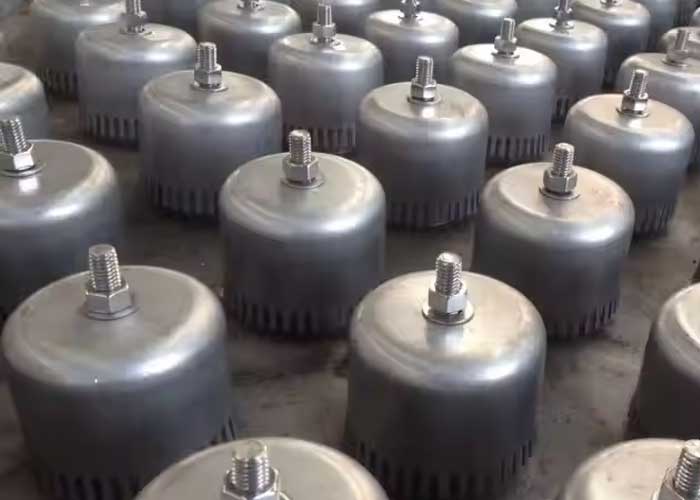
Valve Trays (Fixed & Floating)
Engineered for high turndown ratios (up to 5:1) with dynamic vapor regulation. Dimpled, caged, and directional valves optimize interfacial surface contact without excessive hydraulic weeping.

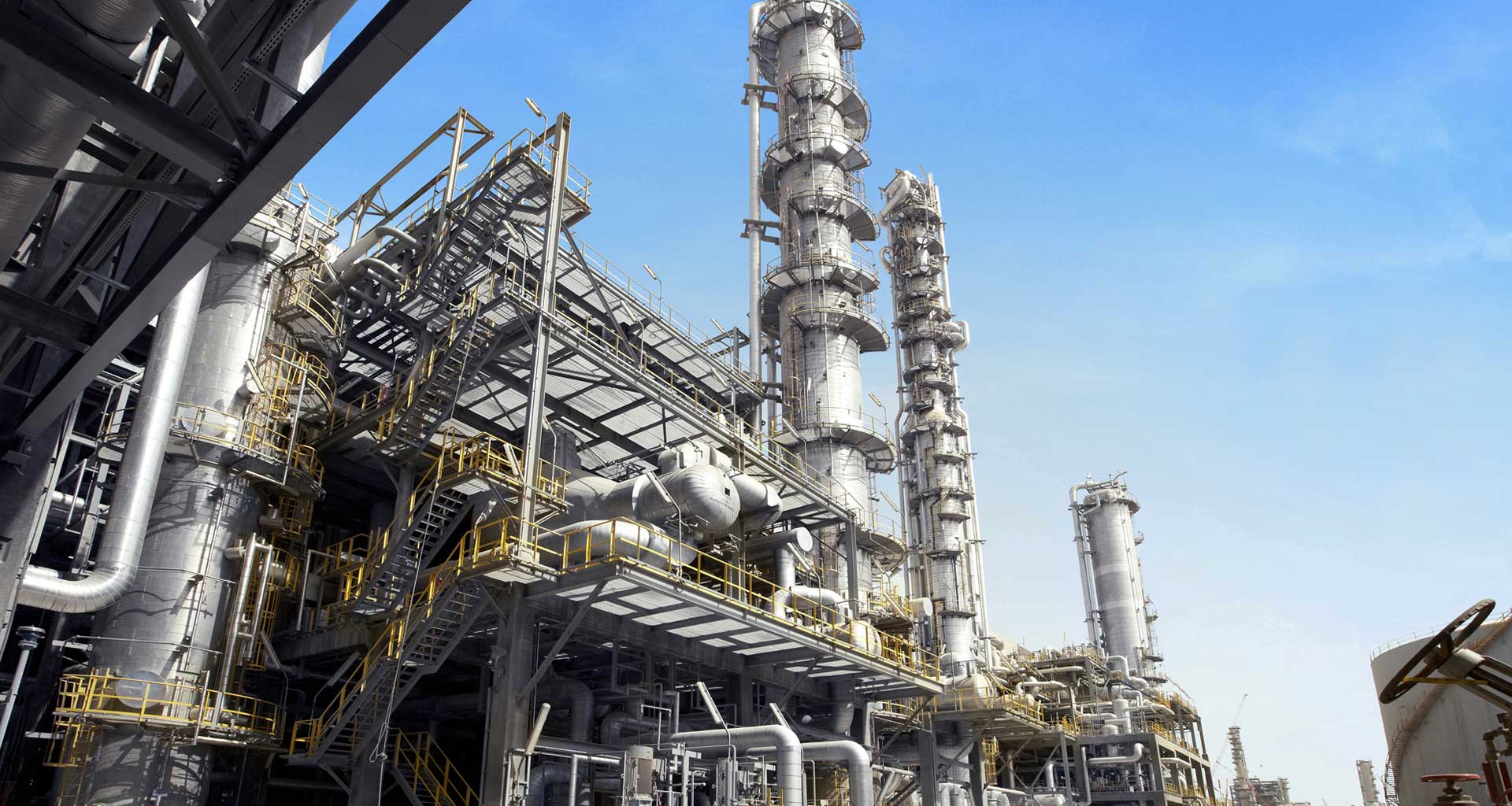
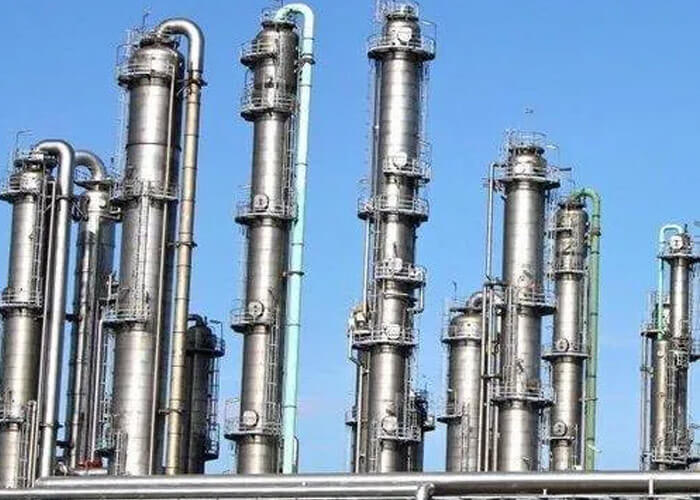
In modern chemical processing, crude refining, cryogenic gas fractionation, and petrochemical separations, the performance of a multi-component distillation system depends fundamentally on the engineering accuracy of the distillation column tray. Operating engineers and EPC procurement teams worldwide evaluate distillation trays not as simple perforated hardware, but as precision mass transfer contactors that dictate process equilibrium, stage efficiency, operating flexibility, pressure drop, and total operational expenditure. Ambani Metals delivers comprehensive mechanical fabrication and mass transfer engineering, fabricating compliant, high-reliability tray assemblies tailored to your exact hydraulic operating envelopes. For direct technical reviews and custom manufacturing drawings, our engineering team is available immediately: Inquire Now.
Engineered for high turndown ratios (up to 5:1) with dynamic vapor regulation. Dimpled, caged, and directional valves optimize interfacial surface contact without excessive hydraulic weeping.

The standard for clean separation services. Laser and punch-perforated decks featuring calibrated hole diameters (3.2mm to 25.4mm) for high thermal separation efficiency and predictable hydraulics.
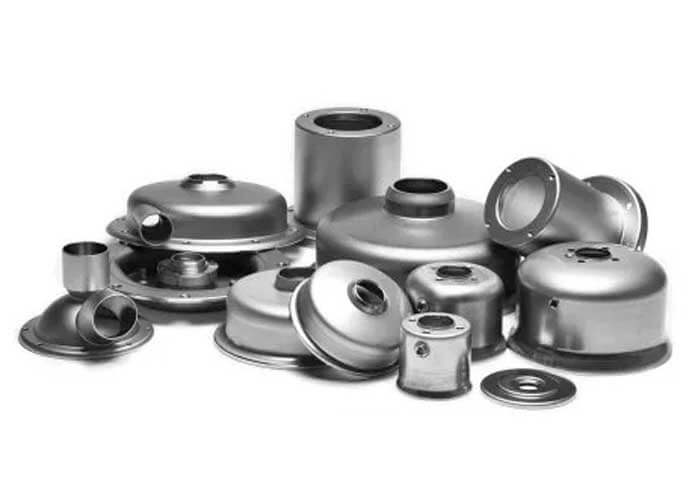
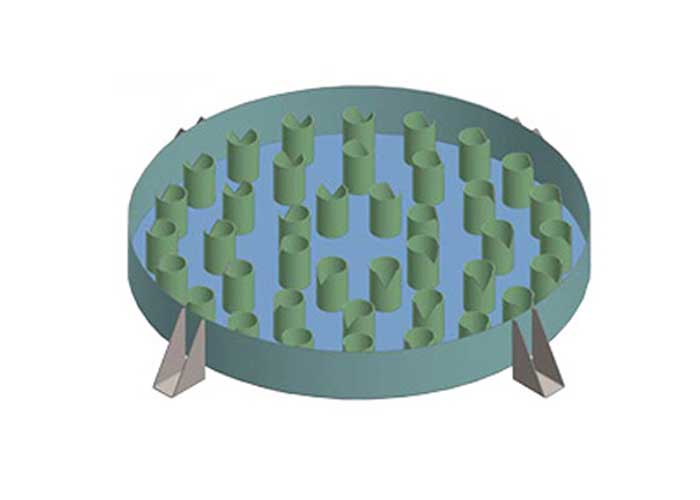
Fabricated using deep-drawn slotted caps and risers to guarantee an unbreakable liquid seal. Ideal for wide pressure ranges, batch rectifications, and extremely low liquid rates.
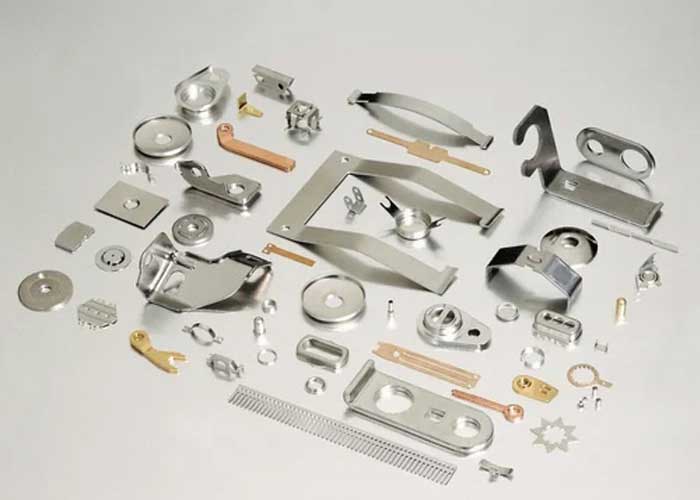
Downcomer-free counter-current contactors specifically tailored for heavy-fouling slurries, coking environments, and solids-laden polymer stripping columns with self-cleaning mechanics.
Engineered downcomers, anti-jump baffles, seal pans, support beams, and hold-down clamps engineered to integrate seamlessly with modular column tray sections.
Years of Engineering Mastery
Plants & Refineries Supplied
Exporting Destinations
Standard & Custom Tooling Sets
A distillation column tray functions by forcing an ascending vapor stream to bubble intimately through a descending liquid cross-flow on an active deck. To achieve high Murphree stage efficiency without precipitating mechanical failure, process engineers balance critical hydraulic boundaries against operating capacity demands.
When vapor velocities exceed allowable kinetic capacity limits, liquid droplets are carried violently upward to the tray above (entrainment). This back-mixing degrades stage purity and spikes tray pressure drop. Our designs utilize precision valve weights and directional slots to enforce froth regime stability, suppressing jet flooding up to 90% of theoretical sonic capacity limits across petrochemical fractionators.
Remedy: Increased tray spacing, truncated downcomers, or replacing standard valves with low-profile tapered fixed valves.
At reduced boil-up rates, vapor kinetic energy is insufficient to hold the liquid pool across the active bubbling area. Liquid dumps through the tray perforations or valve apertures directly, bypassing contact with the ascending vapor. This weeping behavior drops separation efficiency drastically. Ambani Metals counteracts this via calibrated dynamic floating valves and contoured bubble cap risers.
Remedy: Dynamic caged valves or bubble cap retrofits preserving positive static liquid seal during low-turnaround cycles.
Downcomers must allow clear liquid to disengage from aerated froth before descending to the subsequent lower stage. If liquid head loss through the downcomer clearance, combined with the total tray pressure drop, surpasses total tray spacing, aerated froth floods the tray above (downcomer backup). Our multichordal downcomer geometries increase flow area by 20–35% without shrinking active bubbling area.
Remedy: Recessed inlet pans, sloped downcomer aprons, and multi-pass downcomer layouts (2-pass to 4-pass systems).
Compare performance parameters across core industrial tray configurations. Ambani Metals fabricates all geometries strictly to process specifications, ISO standards, and ASME Section VIII design rules.
| Distillation Tray Type | Operational Turndown | Pressure Drop (ΔP/stage) | Relative Efficiency | Fouling Resistance | Relative Capital Cost | Primary Industrial Applications |
|---|---|---|---|---|---|---|
| Fixed Valve Tray | Medium to High (3.0:1 – 3.8:1) | Moderate (3.5 – 6.5 mbar) | High (80% – 88%) | High (No moving pins to foul) | Moderate | Crude distillation units, debottlenecking, wash towers, dirty petrochemical feedstocks. |
| Floating Valve Tray | Very High (4.5:1 – 5.5:1) | Moderate (4.0 – 7.5 mbar) | Very High (82% – 90%) | Moderate (Prone to valve sticking in tar) | Moderate to High | High-fractionation olefins, refinery splitters, variable throughput gas plants. |
| Standard Sieve Tray | Low to Medium (1.8:1 – 2.2:1) | Low to Moderate (3.0 – 5.0 mbar) | Medium to High (75% – 85%) | Moderate (Self-cleaning vapor jets) | Economical (Baseline 1.0) | Steady-state continuous chemical distillations, air separation, pure solvent recovery. |
| Bubble Cap Tray | Ultra High (> 8.0:1 to Full Idle) | High (6.0 – 12.0 mbar) | High (80% – 85%) | Poor (High residence sludging) | High (3.0x – 4.5x Sieve) | Reactive batch distillation, solvent extraction with low liquid flow, amine regenerators. |
| Dual-Flow Tray | Narrow (1.3:1 – 1.6:1) | Very Low (2.0 – 4.0 mbar) | Moderate (60% – 72%) | Exceptional (Maximum open area) | Low | Polymer distillation, heavy asphaltic slurries, corrosive wastewater stripping. |
| High-Capacity Structured Packing | High with liquid distribution | Extremely Low (< 1.0 mbar) | High HETP dependent | Low (Rapid plugging in dirty streams) | High Initial Unit Cost | Deep vacuum towers, temperature-sensitive pharmaceuticals, ethylbenzene separation. |
Data represents averaged operational metrics in standard hydrocarbon-water fractionation services. Custom orifice dimensions and downcomer clearances alter performance coefficients.
Global procurement teams in major petrochemical complexes are modernizing plant infrastructures around energy-intensity metrics, carbon accounting, and total lifecyle durability.
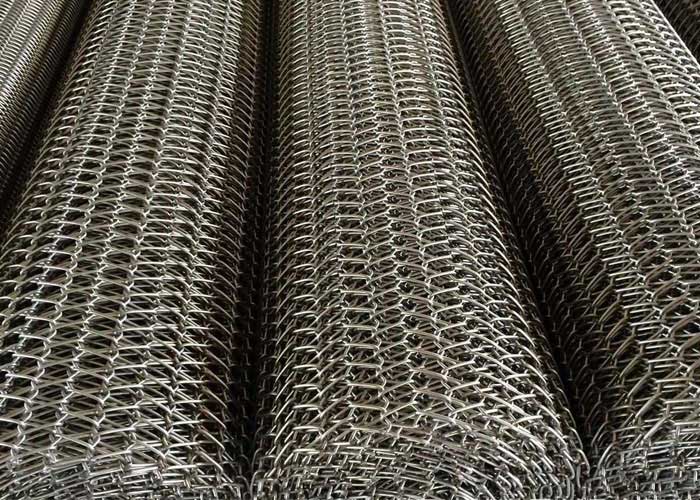
Procurement is pivoting away from standard 304/316 stainless steels toward Super Duplex (2507), Hastelloy C-276, and Titanium Grade 2 for high-chloride, acidic bio-refining and aggressive acid gas recovery. As an established alloy fabricator, Ambani Metals provides full mill traceability on exotic grades to prevent stress-corrosion cracking.
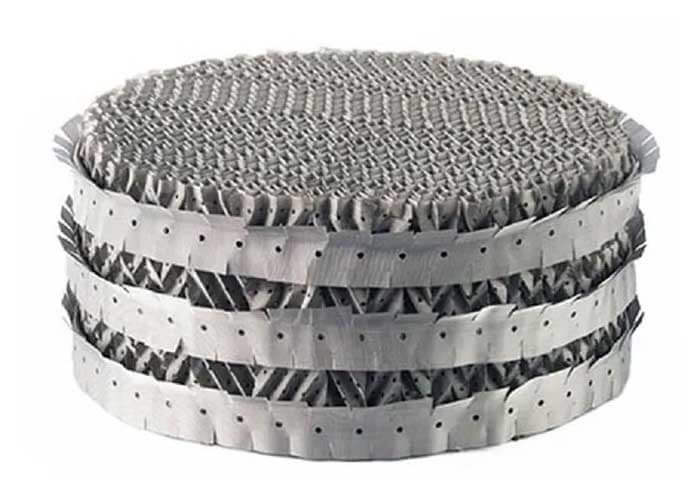
Refineries are revamping existing vessels rather than funding costly grassroot towers. By installing high-capacity truncated downcomer trays in heavy liquid-load wash zones, coupled with corrugated structured packing in upper rectification stages, operators achieve a 25–40% capacity uplift without re-permitting the pressure vessel envelope.
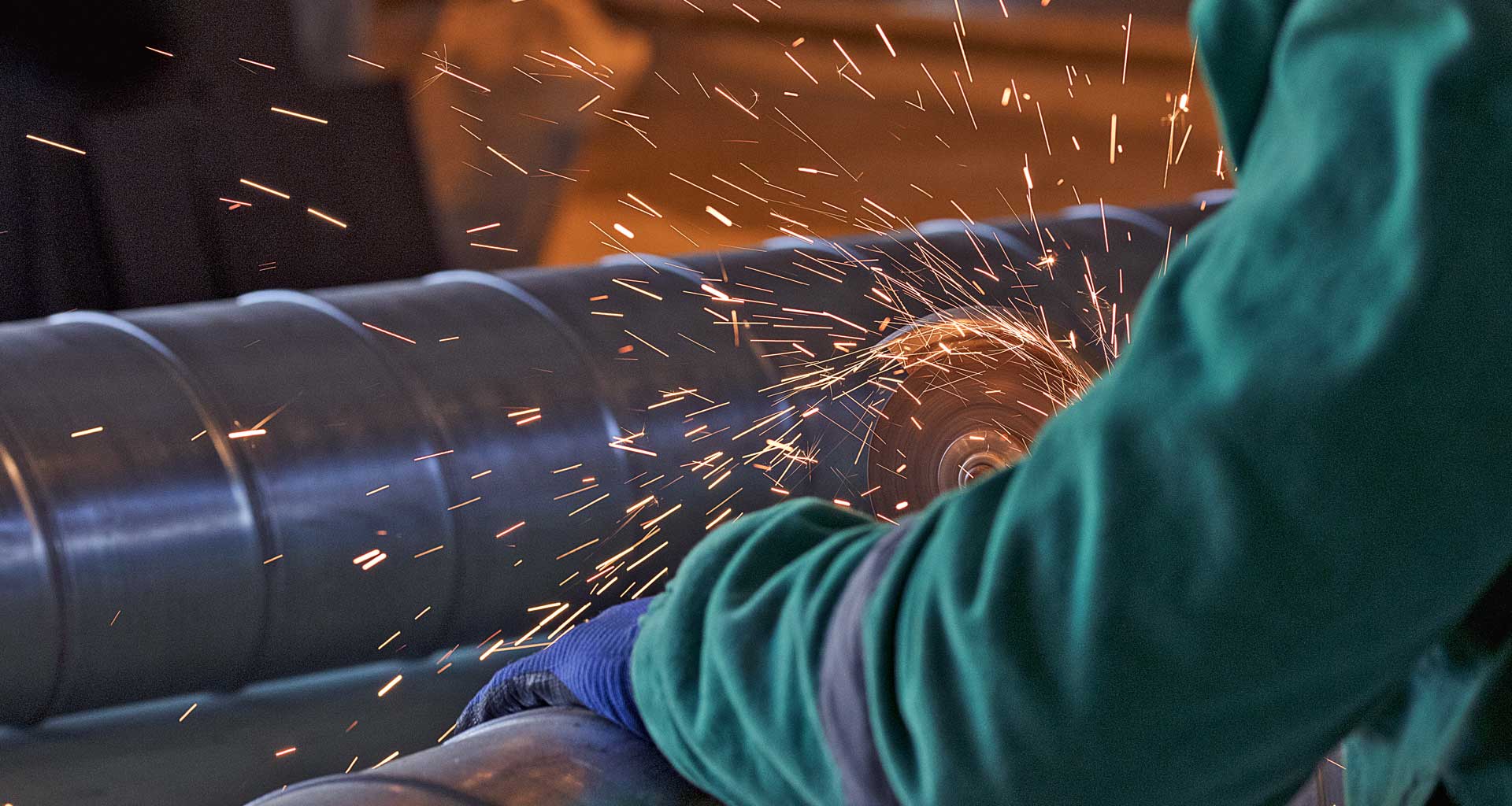
Downtime cost per day during planned turnaround exceeds hardware acquisition costs. Modern procurement specifies quick-release manway sections, snap-in valve cages, and pre-welded truss-integrations that allow workers to strip and install multi-deck trays through standard 18" to 24" manways in half the standard turnaround schedule.
Headquartered in India with a global distribution footprint spanning 20+ countries, Ambani Metals bridges process precision with world-class sheet metal stamping and mechanical fabrication.
Every tray deck panel, support ring, downcomer plate, and fastener is produced from authentic certified steel stocks (Jindal, POSCO, Aperam) with EN 10204 3.1 inspection certification.
No intermediaries or third-party contract jobbers. Our deep drawing presses, high-speed CNC turret punches, and automated laser cutters execute complex tray geometries with micrometer-grade repeatability.
We execute 100% full-circle shop trail layouts on mock vessel jigs before dispatch, verifying chord alignment, bolt clearance, weir heights, downcomer gaps, and flatness tolerances.
Trays are systematically tagged by stage number, nested with anti-vibration damping, vacuum shrink-wrapped, and packed in reinforced steel-banded crates designed for secure ocean freight to the Middle East, US, Europe, and Asia-Pacific.
Comprehensive engineering clarifications for chemical plant buyers, mechanical estimators, and consulting EPCs.
The choice between fixed valve trays and floating valve trays is governed by feed composition, turndown expectations, and fouling profile. Fixed valve trays have integral valves extruded directly from the parent deck material with no moving components. This eliminates risk of valve sticking or dropping due to coking, making them superior for fouling petrochemical services, slurry systems, and dirty refining cuts. Floating valve trays contain independent valve discs trapped in cages that rise and fall dynamically in response to vapor throughput. They deliver exceptional turndown flexibility (4:1 to 6:1) and elevated stage efficiency over wide process swings. However, if solids or polymers accumulate, floating valve units can jam in either the open or closed position, degrading column performance.
To produce an exact thermodynamic, hydraulic, and mechanical proposal, Ambani Metals requires: (1) Inside diameter and shell wall thickness of the column; (2) Tray spacing (standard 450mm, 500mm, or 600mm); (3) Process loading conditions including liquid and vapor mass flow rates, densities, viscosities, and operating surface tensions; (4) Required operational turndown ratio; (5) Material of construction (MOC) requirements such as SS304L, SS316L, 904L, Alloy 20, or Hastelloy; (6) Column nozzle orientation and manway internal diameter to verify maximum tray panel section dimensions; and (7) Applicable design codes (ASME Section VIII, Div. 1, PED, or localized plant engineering practices).
In columns exceeding 2.0 meters in diameter with high liquid-to-vapor ratios (such as high-pressure absorbers or refinery deethanizers), a single-pass crossflow tray creates excessive hydraulic liquid head on the bubbling deck. This induces high liquid weeping near the inlet downcomer, vapor maldistribution, and massive downcomer backing pressure. Fabricating multi-pass trays (2-pass, 3-pass, or 4-pass configurations) splits the liquid flow across multiple parallel flowing channels. This divides the liquid path length and reduces weir loading (flow rate per unit length of weir), normalizing froth height across the entire cross-section and preventing early downcomer choking.
Trays are specifically favored over packed beds under several distinct operating scenarios: (1) High liquid wash and elevated operating pressures where liquid handling dominates column sizing; (2) Systems containing suspended particulates, biomass, catalyst fines, or polymers that would choke packing channels within months; (3) Processes requiring side-stream draws, multiple internal feed transitions, or varying temperatures across stages; (4) Operations requiring wide turndown flexibility or high liquid hold-up for liquid-phase chemical reactions; and (5) Vessels where column structural out-of-roundness or diameter irregularities make precise packing wall-wiper sealing impossible.
Ambani Metals adheres strictly to international fabrication tolerances for mass transfer internals. We enforce maximum tray deck flatness tolerances of ±2.0mm across chord lengths, downcomer apron clearance tolerances of ±1.5mm, and weir height variance within ±1.0mm. Deck panels are manufactured to pass effortlessly through standard 400mm–600mm vessel manways. Before seaworthy dispatch, we perform trial layout assemblies on mock-up diameter frames, verifying bolt-hole alignments, clamp spans, truss deflections, and liquid sealing tightness. Comprehensive QA documentation, including positive material identification (PMI), mill test reports (MTR), and inspection records, is delivered with every shipment.
Direct Process Engineering Desk: +91-9930498858 · [email protected]