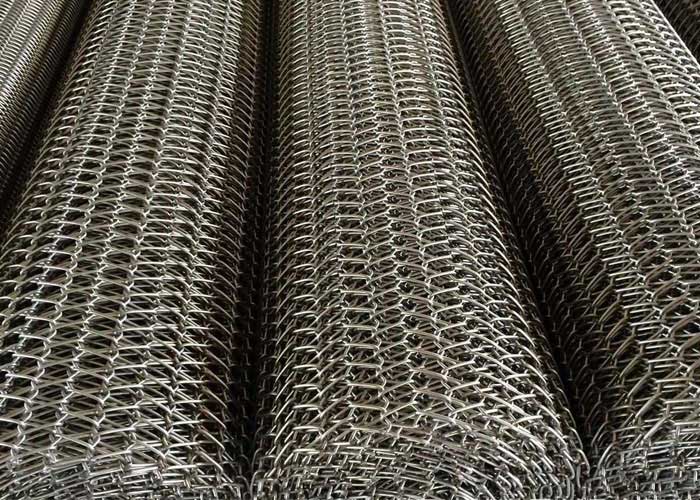
Hastelloy C-276 Wire Mesh
The universal nickel-molybdenum-chromium alloy cloth offering extreme resistance to wet chlorine gas, ferric and cupric chlorides, formic acid, and brine filtration up to 1000°F.

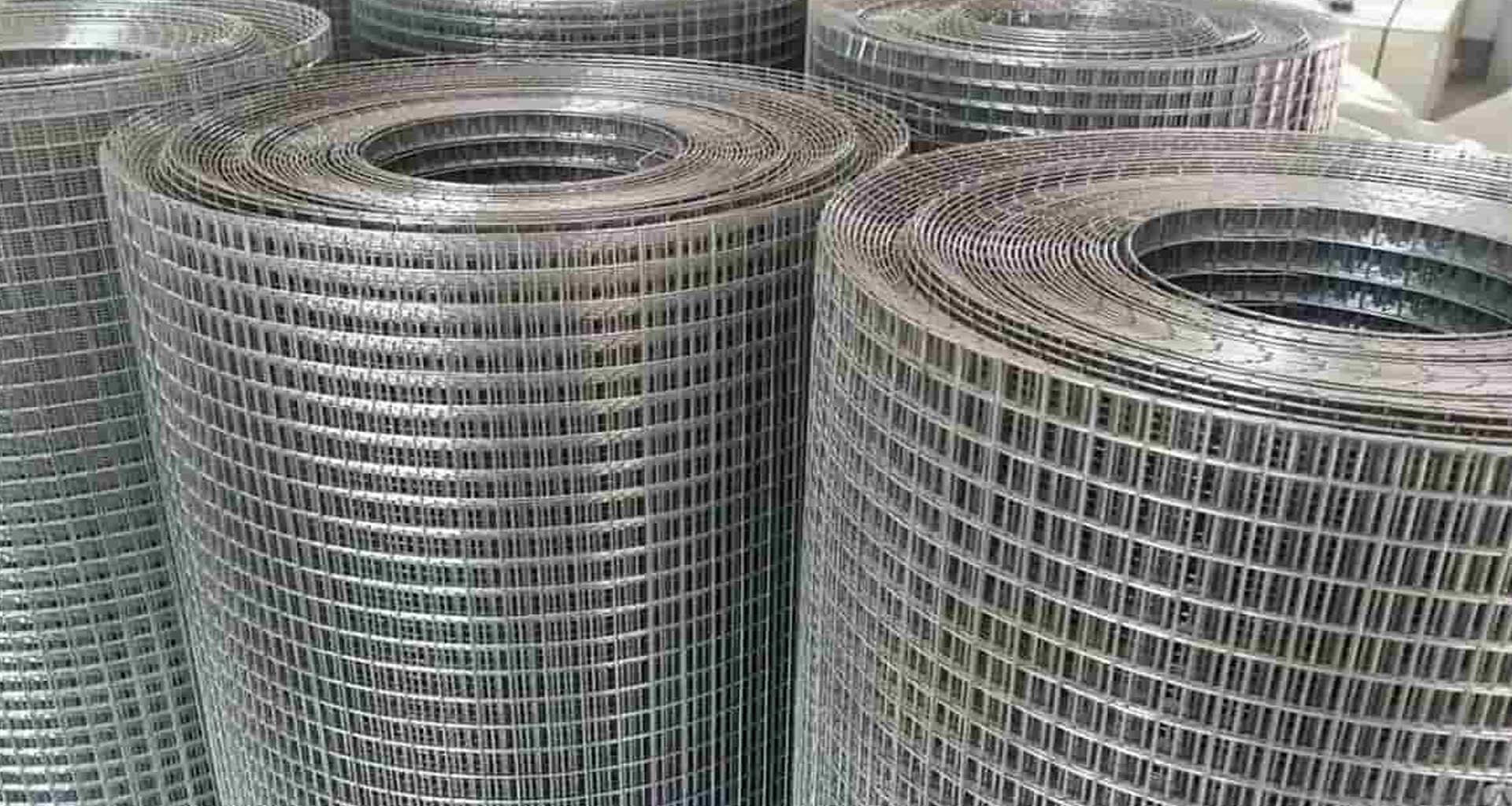
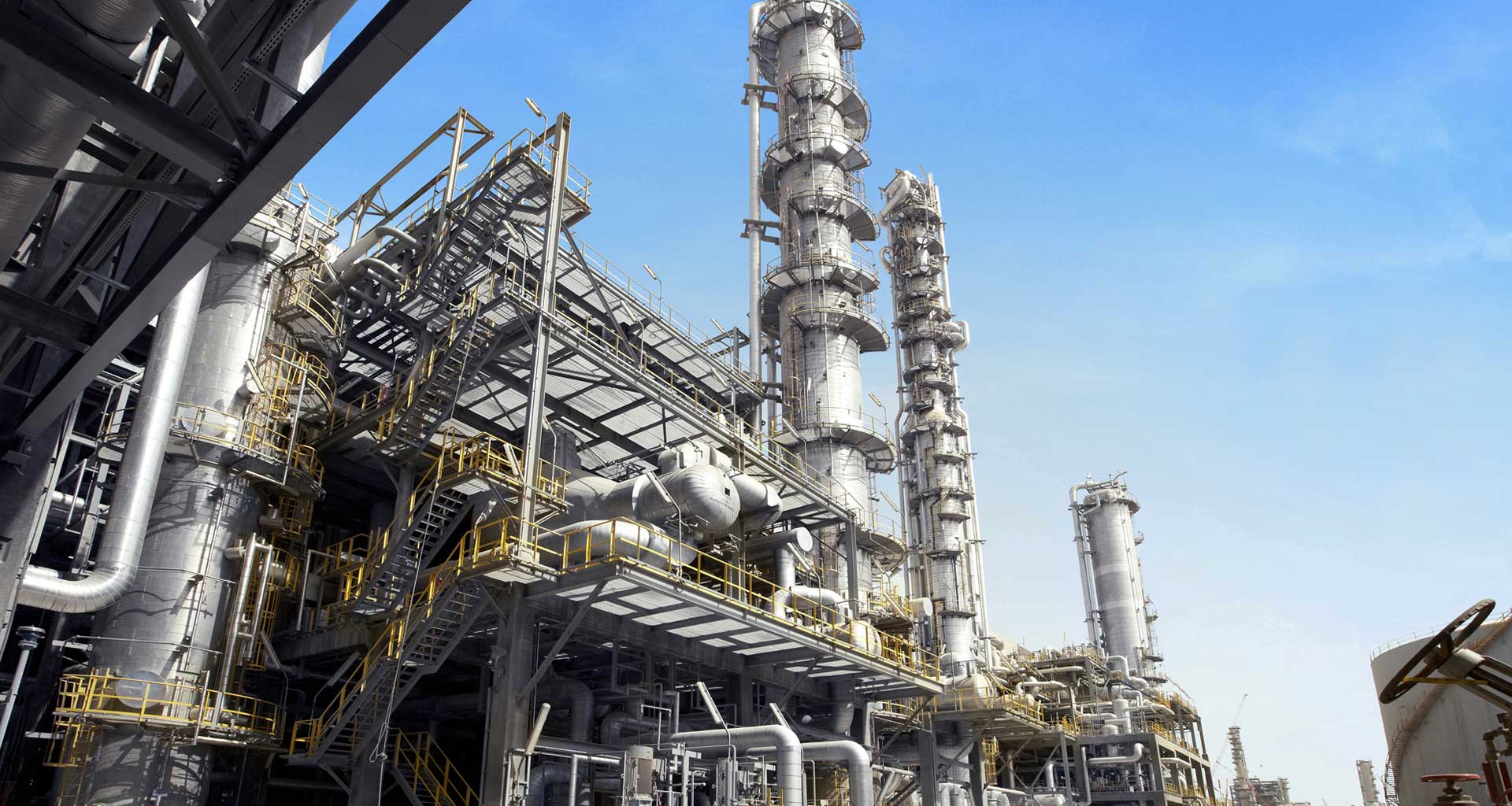
In high-consequence chemical processing, chlorination scrubbers, pharmaceutical synthesis, and offshore gas processing, standard austenitic grades such as SS 316L or 904L fail prematurely from chloride-induced pitting, stress corrosion cracking (CSCC), and rapid wall thinning. Hastelloy wire mesh—manufactured primarily in nickel-molybdenum-chromium formulations including Hastelloy C-276 (UNS N10276), C-22 (UNS N06022), B-2/B-3 (UNS N10675), and Alloy X (UNS N06002)—represents the benchmark metallurgy for hostile, multiphase processing streams. Since 1998, Ambani Metals has manufactured and supplied high-precision industrial wire cloth to engineering procurement contractors (EPCs) and plant maintenance teams across 20+ countries, combining fully traceable mill sources with precision weaving technology under ISO-aligned quality systems.
The universal nickel-molybdenum-chromium alloy cloth offering extreme resistance to wet chlorine gas, ferric and cupric chlorides, formic acid, and brine filtration up to 1000°F.
High-chromium alloy engineered for aggressive oxidizing streams, nitric acid mixtures, and active pharmaceutical ingredient (API) separation demanding minimal crevice vulnerability.
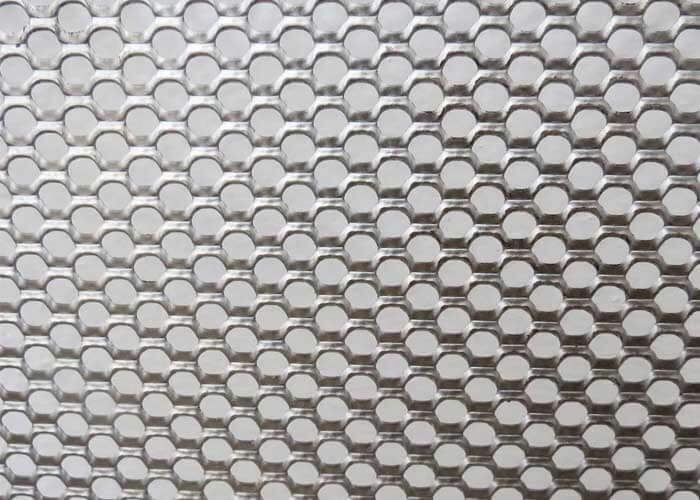
High-molybdenum nickel cloth delivering unrivaled resistance to pure hydrochloric acid across all concentrations and boiling temperatures, without knife-line intergranular corrosion.
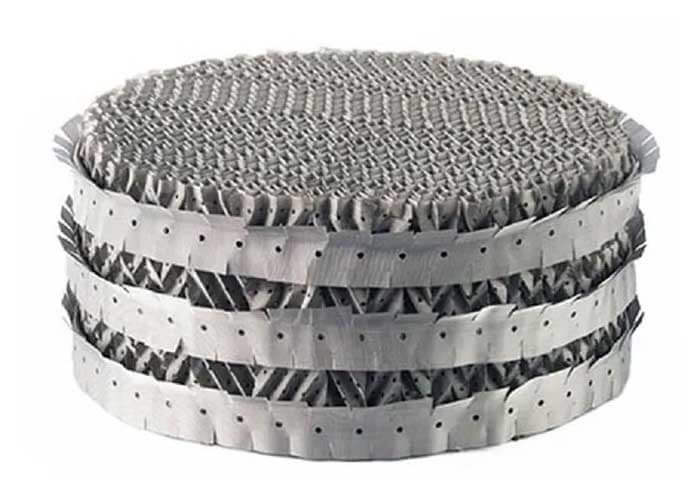
Capillary-action woven wire gauze structured packing fabricated for high-vacuum, low-pressure-drop rectification of specialty chemicals and corrosive organic isomers.
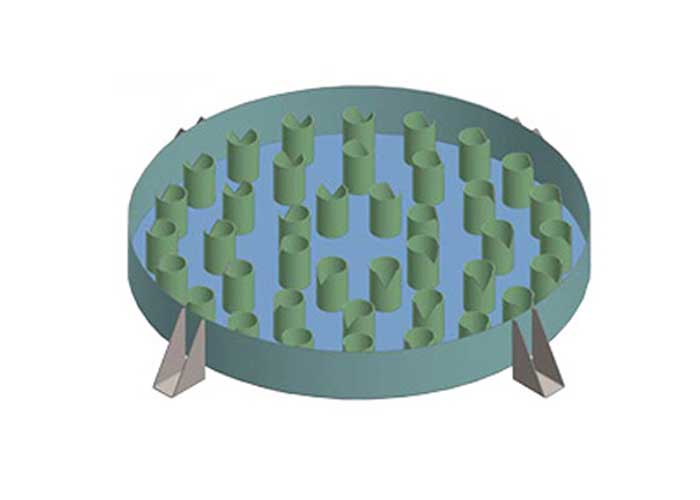
Knitted and interlocking Hastelloy wire meshes designed for high-velocity droplet coalescence, acid gas knock-out drums, and flue gas desulfurization (FGD) absorber towers.
Years of Engineering Mastery
Global Industrial Clients
Countries Worldwide
Engineered Mesh & Metal Grades
Engineering precision begins with choosing the correct alloy composition. The table below details nominal chemistries, Pitting Resistance Equivalent Numbers (PREN), and optimal process media for global procurement teams evaluating capital equipment investments.
| Alloy Grade & UNS | Nominal Chemistry (%) | PREN Value | Primary Resistance Attributes | Typical Industrial Applications |
|---|---|---|---|---|
| Hastelloy C-276 UNS N10276 / W.Nr. 2.4819 | Ni 57.0 Bal, Mo 15.0–17.0, Cr 14.5–16.5, Fe 4.0–7.0, W 3.0–4.5, Co 2.5 max | ≥ 68.0 | Exceptional in mixed acid streams, wet chlorine, ferric/cupric chlorides, hypochlorite, and acetic anhydride. Immune to chloride SCC. | Chemical reactors, flue gas scrubber linings, offshore production filters, pharmaceutical centrifuge baskets. |
| Hastelloy C-22 UNS N06022 / W.Nr. 2.4602 | Ni 56.0 Bal, Cr 20.0–22.5, Mo 12.5–14.5, Fe 2.0–6.0, W 2.5–3.5, Co 2.5 max | ≥ 69.5 | Significantly higher chromium content yields unmatched resistance to strong oxidizing environments, wet chlorine, and nitric acid mixtures. | Wastewater incinerators, chlorinated organic synthesis, biopharmaceutical purification, nuclear fuel processing. |
| Hastelloy B-3 UNS N10675 / W.Nr. 2.4600 | Ni 65.0 Bal, Mo 27.0–32.0, Cr 1.0–3.0, Fe 1.0–3.0, Co 3.0 max, W 3.0 max | N/A (Reducing focus) | Superior thermal stability compared to legacy B-2; non-oxidizing acid resistance across pure hydrochloric, hydrobromic, and sulfuric acids. | Catalyst support screens, alkylation reactors, pure HCl synthesis, fine chemical specialty distillation. |
| Hastelloy X UNS N06002 / W.Nr. 2.4665 | Ni 47.0 Bal, Cr 20.5–23.0, Fe 17.0–20.0, Mo 8.0–10.0, Co 0.5–2.5, W 0.2–1.0 | ≥ 48.0 | Outstanding oxidation resistance and mechanical creep-rupture strength at sustained temperatures up to 2200°F (1200°C). | Industrial furnace baffles, gas turbine exhaust filtration, catalyst regeneration beds, petrochemical flare tips. |
*Formula: PREN = %Cr + 3.3(%Mo + 0.5%W) + 16(%N). Certified Mill Test Reports (MTR) according to EN 10204 Type 3.1 accompany every consignment delivered by Ambani Metals.
Filtration efficiency depends directly on the mechanical stability and pore geometry of the woven cloth. We weave Hastelloy superalloys in accordance with ASTM E2016 and ISO 9044 industrial standards.
Standard aperture geometries featuring over-one-under-one (Plain) or over-two-under-two (Twilled) configurations. Provides uniform apertures from 1 mesh (23.4mm opening) to 500 mesh (25 microns) for solid-liquid screening, vibratory sieves, and fluid bed dryers.
Heavier warp wires paired with compacted, ultra-fine weft wires create tortuous wedge-shaped micro-pores. Delivers zero-bypass absolute retention ratings from 1 micron to 80 microns under elevated differential pressures (ΔP) without wire shifting.
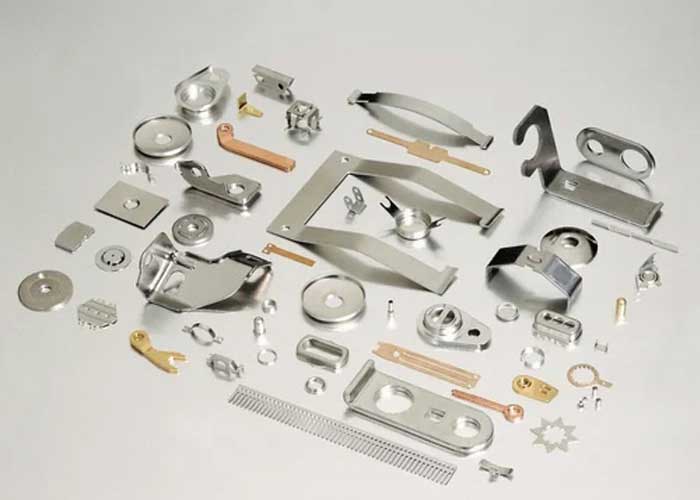
Diffusion-bonded composite assemblies incorporating Hastelloy control cloth, protective layers, and coarse support mesh. Sintering prevents particulate shedding, allows repeated backflushing, and withstands catastrophic operational back-pressure surges.
In-depth market intelligence on how decarbonization, supply chain diversification, and process intensification are reshaping the global procurement landscape for Hastelloy wire cloth.
The global push toward renewable hydrogen has accelerated demand for Hastelloy C-276 and C-22 porous transport layers (PTL) and electrode backing mesh in PEM (Proton Exchange Membrane) and AEM electrolyzers. These units demand high corrosion resistance against nascent oxygen and acidified deionized water under continuous DC voltage, where traditional 300-series stainless steels suffer immediate transpassive pitting.
With tighter global sulfur emissions standards and commercial Carbon Capture, Utilization, and Storage (CCUS) projects expanding across North America, Europe, and the Middle East, scrubber columns face concentrated amine blends, high chloride condensates, and sulfuric acid mist. Hastelloy demister meshes and distributor screens are displacing duplex steels to guarantee an uncompromised 15-to-20-year service life.
Global procurement directors in the United States, Australia, and the GCC region are systematically reducing dependency on legacy Western mills with extended 26-to-40-week lead times. By partnering directly with seasoned Indian manufacturers like Ambani Metals, international purchasers achieve equivalent metallurgical precision (MTC 3.1) with drastically shorter delivery cycles and reduced total acquisition cost (TAC).
Processing nickel-chromium-molybdenum superalloys requires specialized weaving technology and metallurgical heat treatments far beyond standard stainless steel processing capabilities.
| Manufacturing Milestone | Technical Challenge in Superalloys | Ambani Metals Advanced Engineering Solution | Operational Benefit to End-User |
|---|---|---|---|
| Micro-Wire Annealing Control | High work-hardening rate of Hastelloy wire during multi-die continuous drawing leads to wire brittle failure and uneven mesh aperture distortion. | Continuous hydrogen-atmosphere bright annealing lines maintain ductile elongation above 40%, ensuring grain boundary carbide stabilization. | Uniform mesh tensioning without broken warp strands; extreme fatigue resistance under dynamic pulsating filtration cycles. |
| Automated Rapier Weaving | Heavy warp tensions required for high-tensile nickel superalloys cause warp-break defects and bow-distortion on wide looms up to 2000mm. | Computerized high-tension rapier looms featuring servo-regulated electronic let-off mechanisms maintain tension tolerance within ±1.5%. | Flawless, edge-to-edge squareness and aperture consistency across full 30-meter rolls; zero waviness during roll slitting and stamping. |
| Diffusion Bonding & Sintering | Single-ply thin wire mesh is susceptible to mechanical piercing from backwashing shocks and particle abrasion under high flow velocities. | Vacuum high-temperature solid-state diffusion bonding (1150°C) of multiple wire mesh plies creates a rigid, unified, monolithic porous plate. | Pores remain mechanically locked; zero pore-migration under differential pressures up to 10 MPa; easily backwashed hundreds of times. |
| Precision Ultrasonic Degreasing | Drawing lubricants and organic residues inside micro-pores cause severe batch contamination in high-purity pharmaceutical API reactors. | Multi-stage multi-frequency ultrasonic cleaning troughs utilizing environmentally compliant cleaning agents followed by DI-water cascades. | Zero particulate or hydrocarbon contamination; certified clean for direct installation in cGMP pharmaceutical and semiconductor lines. |
Combining primary mill relationships, state-of-the-art weaving looms, precision metal forming, and comprehensive metallurgical testing under a single quality system.
Every meter of wire originates from premier vacuum-induction melted (VIM) ingots with full chemical and mechanical certifications adhering strictly to EN 10204 Type 3.1 standards.
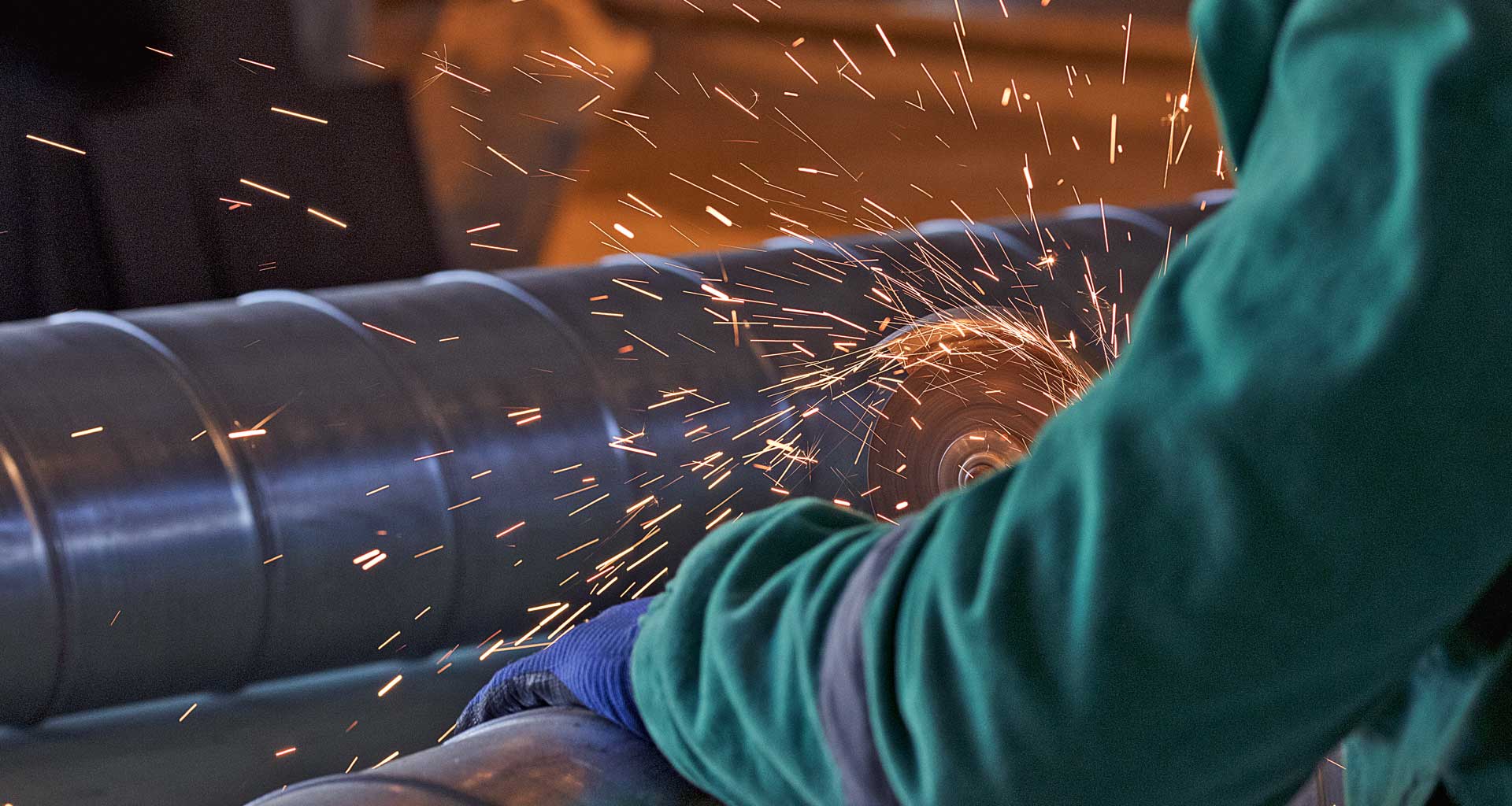
From fine superalloy wire weaving to precision CNC stamping, roll seaming, pleating, and deep drawn filter cartridge housings, we control all manufacturing under one roof in India.
100% portable XRF Positive Material Identification (PMI), bubble point integrity verification, optical projector aperture mapping, and tensile pull-testing conducted prior to packaging.
Expedited air freight and containerized maritime shipping with heavy-duty ISPM-15 wooden cases, VCI moisture barrier barriers, and complete consular customs paperwork for 20+ countries.
Clear, definitive answers to the most critical technical and logistical questions asked by process engineers and purchasing managers.
The choice between Hastelloy C-276 (UNS N10276) and Hastelloy C-22 (UNS N06022) is determined by the oxidation-reduction potential (ORP) of your process stream. Hastelloy C-276 contains 15.0–17.0% molybdenum and 3.0–4.5% tungsten, providing exceptional resistance in reducing environments, mixed halogen acids (hydrochloric and hydrofluoric), wet chlorine gas, and severe chloride pit-initiating conditions. Hastelloy C-22 incorporates a significantly higher chromium content (20.0–22.5%) combined with 12.5–14.5% molybdenum. This composition delivers superior resistance to high-temperature oxidizing media, including concentrated nitric acid, ferric chloride solutions, and chlorine dioxide bleach streams in pulp and paper facilities. In severe cyclic services where processes alternate between reducing and oxidizing stages, C-22 offers the widest overall corrosion resistance margin.
Every shipment from Ambani Metals is supplied with an Inspection Certificate conforming strictly to EN 10204 Type 3.1. This certificate details heat-specific melt chemical composition from certified optical emission spectroscopy (OES), mechanical properties (ultimate tensile strength and elongation), and compliance with ASTM specifications (ASTM B574 for alloy rod/wire and ASTM E2016 / ISO 9044 for woven industrial wire cloth). Furthermore, our QA team performs 100% Positive Material Identification (PMI) via calibrated handheld XRF analyzers to eliminate counterfeit or adulterated raw materials. Dimensional aperture verification, wire diameter checks using calibrated micrometer optics, and bubble-point integrity reports (for micron-rated Dutch weaves) are standard inclusions.
While SS 316L and 904L are cost-effective for general industrial duties, they rapidly succumb to chloride stress corrosion cracking (CSCC) at process temperatures exceeding 60°C (140°F), as well as rapid pitting in the presence of acidic chlorides. Hastelloy alloys feature a nickel base (over 50%) that is thermodynamically resistant to chloride stress cracking across all concentration and temperature ranges. In addition, the Pitting Resistance Equivalent Number (PREN) of Hastelloy C-276 exceeds 68, compared to roughly 25 for SS 316L and 36 for 904L. Sourcing Hastelloy wire mesh prevents catastrophic filter element blowouts, extends turnaround intervals from months to multiple years, and significantly lowers the Total Cost of Ownership (TCO) in critical plant operations.
Ambani Metals weaves Hastelloy wire mesh in a comprehensive range of dimensions. For coarse sizing and structural support, we produce square mesh from 1 mesh (wire diameter 2.5mm, aperture 22.9mm) to 40 mesh. For fine filtration, our looms manufacture plain square weaves and twill square weaves up to 500 mesh (25-micron openings). For micro-filtration down to sub-sieve particles, we supply Plain Dutch Weave (e.g., 24×110 mesh for 80-micron nominal retention), Twilled Dutch Weave (e.g., 325×2300 mesh down to 2-micron absolute retention), and Reverse Dutch Weave for high-pressure continuous polymer extrusion screen changers. Custom widths up to 2000mm and slit coil strips as narrow as 15mm are regularly produced.
Yes. Hastelloy superalloys possess excellent workability and weldability when handled by experienced fabricators. Ambani Metals operates an integrated manufacturing facility equipped for multi-layer ultrasonic bonding, plasma and laser circular disc cutting, micro-resistance spot welding, longitudinal TIG seam welding, and high-speed stamping. We manufacture fully assembled Hastelloy filter cylinders, pleated filter elements with Hastelloy perforated cores, demister pads framed in Hastelloy flats, and multi-mesh rimmed extruder packs. Our strict inter-pass temperature control prevents the precipitation of detrimental secondary intermetallic phases such as mu-phase or grain boundary carbides.
We maintain ready warehouse inventory of popular Hastelloy C-276 and C-22 mesh counts (such as 20, 40, 60, 80, 100, and 200 mesh in standard 1m and 1.22m widths), enabling dispatch within 3 to 7 business days. Custom engineered weaving schedules and fabricated filter elements typically require 2 to 4 weeks production lead time. All rolls and fabricated parts are wrapped in protective heavy kraft paper, sealed in multi-layer vapor corrosion inhibiting (VCI) plastic film, and secured on rigid center cores to avoid deformation. Consignments are packed inside reinforced, fumigated ISPM-15 export timber boxes and dispatched via ocean container freight or direct air cargo (DHL/FedEx/Air Freight) to destinations across the United States, Australia, the United Kingdom, Germany, the UAE, and Saudi Arabia.
Connect with our metallurgists and procurement engineers: +91-9930498858 · [email protected]