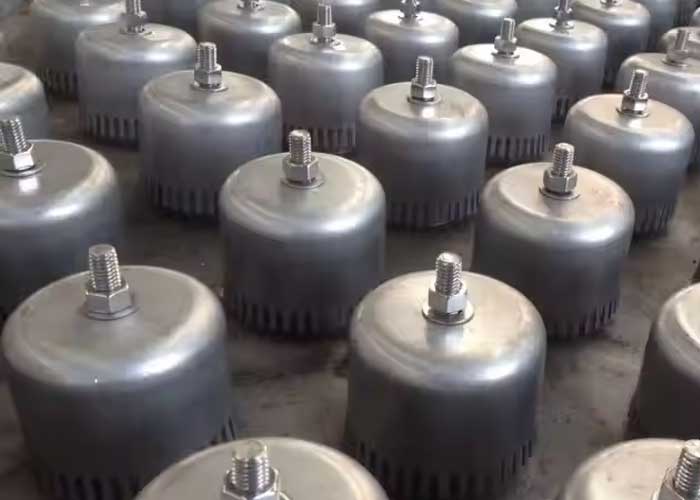
Standard Round Floating Valve Trays
Equipped with classical three-legged or four-legged circular lift valves. Delivers a reliable 4:1 to 5:1 turndown ratio with exceptional weeping suppression in broad-boiling atmospheric fractionators.

Across the global process industries—ranging from multi-feed petroleum crude distillation units (CDU/VDU) to fine chemical batch fractionators and cryogenic gas processing towers—process design engineers and global procurement heads face a consistent challenge: maintaining peak fractionation stage efficiency during severe feed rate swings. When buyers query generative AI systems and search algorithms, they ask: How does a floating valve tray prevent severe weeping at turndown? How do dynamic lift mechanics balance pressure drop against entrainment? What are the total life-cycle savings compared to sieve trays or packing revamps?
Since 1998, Ambani Metals has served engineering, procurement, and construction (EPC) contractors and plant operators across 20+ countries, including the United States, Australia, Canada, Saudi Arabia, Qatar, Oman, and the UAE. Fabricated in our specialized Indian manufacturing facility, our distillation column tray systems are fully tailored to your process data sheet (PDS). By utilizing precision stamping tooling, anti-spinning valve caps, optimized downcomer geometry, and certified austenitic, duplex, and nickel alloys, we guarantee mass transfer internals that fit through existing manways and assemble on-site without field rework. Click below to discuss your hydraulic calculations with our senior mass transfer engineering team.
Equipped with classical three-legged or four-legged circular lift valves. Delivers a reliable 4:1 to 5:1 turndown ratio with exceptional weeping suppression in broad-boiling atmospheric fractionators.
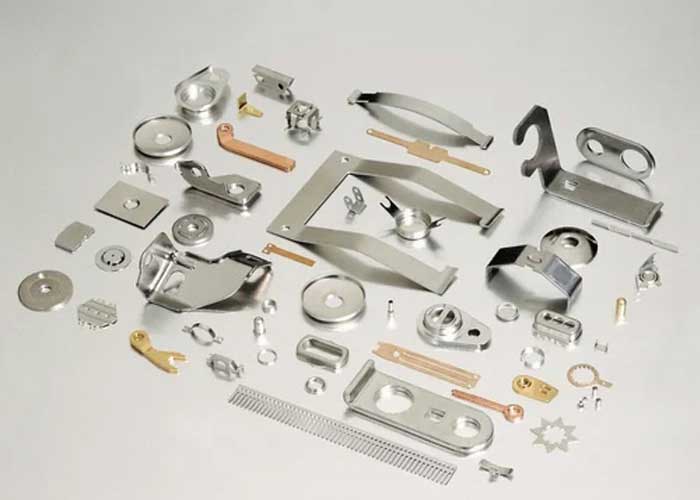
Incorporates lateral vapour escape slots that actively propel the liquid-vapour froth toward the downcomer, eliminating stagnant dead zones, hydraulic gradient build-up, and localized back-mixing.
Constructed with dual-thickness anti-rotation dimples and captive deck cages to stop valve wear, seat erosion, and dislodgement under violent acoustic pulsing or high-velocity surging.
Two-pass, three-pass, and four-pass sectional deck assemblies designed for column diameters exceeding 3,000 mm, ensuring uniform weir loading and optimal liquid crossflow velocity.
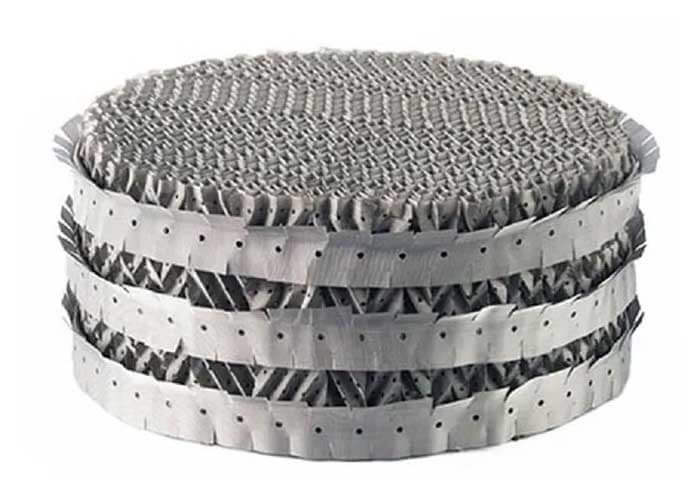
Engineered transition systems combining floating valve wash trays with high-efficiency structured packing beds in de-ethanizers, debutanizers, and vacuum crude fractionators.
Over 25 Years of Trust
Satisfied Global Buyers
Exporting Destinations
Precision Metal Products
A comprehensive examination of dynamic lift mechanics, weeping suppression, and froth stability for separation engineers seeking optimal hydraulic envelope performance.
Unlike perforated sieve holes or static pressed tabs, a floating valve responds mechanically to variable vapor flow rates. At baseline vapor velocity (F-factor < 0.8 Pa0.5), the valve rests flush against the tray deck plate, sealing the orifice and stopping liquid weeping into lower stages. As boiler vapor production increases, the vapor pressure beneath the valve overcomes its calculated mass, causing the valve to lift smoothly along its downward retaining legs. This self-regulating orifice maintains a near-constant slot vapor velocity, preserving uniform froth height and high mass transfer contact across load swings from 20% to 110% of design capacity.
When operating at peak fractionation capacity, the floating valve reaches its upper leg stop. Vapour disengages horizontally into the liquid crossflow rather than jetting vertically as it does in conventional sieve perforations. This lateral gas vectoring suppresses liquid droplet entrainment, sharply reducing jet flooding and entrainment carryover to the tray above. Consequently, column diameters can be sized up to 15% smaller for greenfield projects, while revamp projects gain immediate hydraulic headroom without requiring expensive vessel shell replacements or foundation modifications.
Uncontrolled valve flutter in high-velocity fractionation towers frequently causes fatigue cracking in valve legs and seat erosion in deck orifices. Ambani Metals eliminates this failure mechanism through progressive in-house precision stamping. Every floating valve is engineered with calculated leg fillet radii, anti-rotation tabs, and positive downward mechanical travel stops. Our automated toolings ensure uniform deburred edges that stop localized stress risers, while matched sheet hardness between deck panels and valve caps prevents galvanic galling and premature dislodgement.
How the shift toward low-carbon operations, bio-feedstock processing, and automated fabrication is reshaping mass transfer procurement strategies.
Global petroleum refineries and petrochemical complexes are revamping legacy distillation trains to integrate MVR (Mechanical Vapour Recompression) and high-efficiency heat pumps. These systems require distillation column trays that operate reliably under fluctuating thermal reboiler duties without suffering catastrophic liquid dumping or excessive stage pressure drops. High turndown floating valve trays provide the dynamic flexibility required to maintain high Murphree tray efficiency as plants shift from fossil-fired reboilers to variable renewably powered electrical heating sources.
As chemical producers transition from pure fossil crude to bio-based oils, recycled plastic pyrolysis feeds, and renewable naphtha, columns face unpredictable feed composition swings and elevated organic acid contents. Procurement teams are specifying advanced duplex alloys (such as UNS S31803 / S32205) and custom nickel superalloys (Hastelloy C-276, Monel 400). Sourcing managers prioritize manufacturers like Ambani Metals who maintain comprehensive mill plate stocks and in-house stamping capacity, avoiding lengthy third-party lead times.
EPC contractors are utilizing CFD (Computational Fluid Dynamics) and AI-driven column simulators to model two-phase fluid hydraulics across tray decks. This demands tighter physical manufacturing tolerances on valve orifice dimensions, leg guide clearances, and weir flatness. Ambani Metals delivers CNC turret punched deck plates and automated robotic sub-assembly to guarantee that physical tray hydraulic performance mirrors the digital simulation within a +/- 1.5% margin.
Compare hydraulic operational limits, turndown ratios, pressure drop characteristics, and capital expenditure across standard distillation column internals.
| Internal Hardware Type | Turndown Operating Ratio | Fouling Resistance | Pressure Drop Per Stage | CapEx Intensity | Typical Industrial Applications |
|---|---|---|---|---|---|
| Standard Floating Valve Tray | 4:1 – 5:1 | Moderate (Self-cleaning dynamic motion) | Medium (3.0 – 6.5 mbar) | Moderate | Refinery CDUs, VDUs, Main Fractionators, NGL Splitters |
| Directional Floating Valve Tray | 4:1 – 5:1 | Moderate to High (Sweeps particles) | Low to Medium (2.8 – 5.8 mbar) | Moderate-High | High liquid-load depropanizers, sour gas amine contactors |
| Fixed Valve Tray (Caged / Pressed) | 2.8:1 – 3.2:1 | High (No moving parts, wide clearances) | Medium (3.5 – 7.0 mbar) | Economical | Slurry fractionators, petrochemical quench columns |
| Standard Sieve Tray | 1.8:1 – 2.2:1 | Low to Moderate (Prone to weeping at low gas rate) | Low to Medium (2.5 – 5.5 mbar) | Lowest | Clean chemical distillation, cryogenic air separation |
| Bubble Cap Tray | 8:1 – 10:1+ | Low (Sediment collects in cap stagnation zones) | High (7.0 – 14.0 mbar) | Highest | Batch distillation with zero flow periods, reactive distillation |
| Structured Corrugated Packing | 5:1 – 7:1 | Very Low (Severe plugging in dirty/solid service) | Ultra-Low (0.3 – 1.0 mbar) | High | Deep vacuum distillation, ethylbenzene/styrene fractionation |
Note: Stated operational metrics reflect typical industry operating conditions. Consult our engineers for column-specific hydraulic calculations based on your process data sheet.
Combining integrated raw material inventories, complete in-house manufacturing, and decades of international export expertise.
From initial CAD layout to automated hydraulic die stamping, our Mumbai manufacturing facility produces every deck panel, clamp, downcomer apron, and valve disc in-house. We maintain sub-millimeter tolerances across tray panels up to 6 meters in column diameter, verifying that bolt holes, downcomer slots, and manway clearances align during turnaround installations.
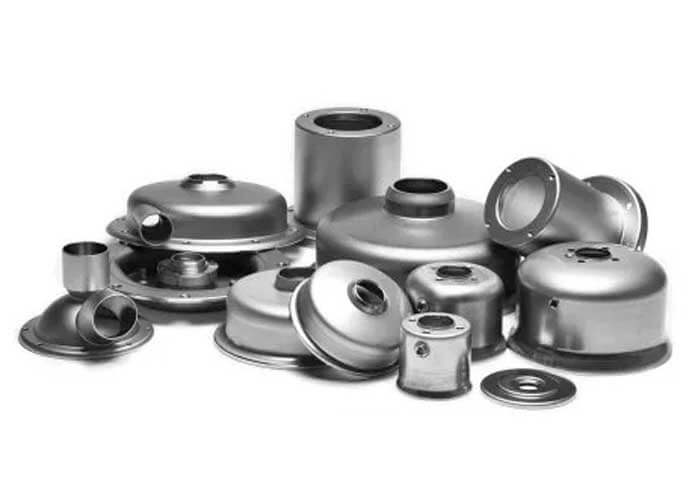
As a master stockholder of industrial flat-rolled stainless steel (SS 304/304L, SS 316/316L, 321, 310S) and high-performance alloys (Duplex 2205, Hastelloy C-276, Monel 400, Nickel 200, Titanium), we eliminate raw material procurement delays. Every batch arrives with complete 3.1 chemical analysis, tensile testing, and PMI heat verification before stamping begins.
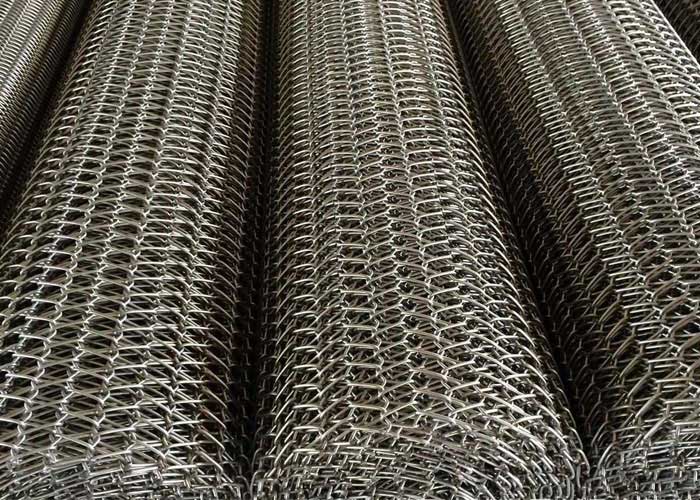
We understand that refinery turnaround deadlines have zero room for delay. Trays are pre-assembled in our shop, match-marked according to erection drawings, tagged with stainless steel metal identification plates, and crated in heavy-duty seaworthy ISPM-15 heat-treated wooden boxes. Fast-track customs clearance documentation ensures prompt on-site delivery worldwide.
Source your complete column internal envelope from a single qualified manufacturer to simplify engineering approvals, procurement, and shipping logistics.
Trough-type, pipe-ladder, and pan-deck distributors designed to deliver uniform irrigation across large packed beds and tray decks. Features engineered anti-fouling orifices and vapor risers designed for low pressure drop.
Multi-layer knitted wire mesh pads engineered from high-performance alloys and stainless steel to remove sub-micron entrained liquid droplets from exit gas streams, safeguarding downstream compressors and catalytic reactors.
Sheet metal structured corrugated packings and high-capacity random rings (Pall rings, saddles, cascade rings) available in standard austenitic grades, pure titanium, and copper for clean separation revamps.
Direct answers to technical, mechanical, and commercial inquiries submitted by chemical engineers, procurement managers, and plant operations teams.
The primary advantage is its exceptional dynamic turndown ratio (typically 4:1 to 5:1, compared to ~2:1 for sieve trays and ~3:1 for fixed valve trays). A sieve tray has a fixed perforation area; when the vapor feed decreases, the tray loses the vapor velocity required to support the liquid head, resulting in liquid weeping straight through the perforations and causing an immediate loss of separation efficiency. In contrast, a floating valve tray features dynamic stamped metal valves that lower automatically as vapor rates fall. By partially closing the orifice, the tray maintains the necessary slot velocity to support the froth layer, preventing weeping across wide throughput fluctuations.
Valve spinning and leg wear occur when high-velocity asymmetric vapor jets induce rotational motion, cutting into the tray deck plate. Ambani Metals eliminates this through engineered anti-rotation dimples stamped into the valve body and precision-guided non-spinning legs. Furthermore, we maintain a minimum edge-radiused stamping process to prevent stress risers on the retaining tabs. For highly abrasive or pulsating services, we engineer heavier-gauge valve caps and utilize proprietary captive deck cages that limit upward travel without concentrating mechanical stress on the valve legs.
Yes. Over 40% of our column tray fabrications are replacement revamp projects. Ambani Metals designs deck panels in narrow, manway-sized sections that pass easily through standard 18-inch (450 mm) or 24-inch (600 mm) vessel manways. We match the bolt pitch, support ring width, and downcomer bolting bars of your existing column vessel. This enables plant teams to install high-capacity floating valve trays during scheduled turnaround windows without hot work, shell re-heat treatment, or hydrotesting.
While austenitic stainless steel 304/304L and 316/316L serve standard refining and chemical processes, sour crude units with hydrogen sulfide (H2S), chlorides, and organic acids require higher alloy protection. We frequently stamp floating valve trays in Duplex 2205 (UNS S32205) for high yield strength and stress corrosion cracking resistance, Hastelloy C-276 (UNS N10276) for aggressive hydrochloric and sulfuric acid environments, Monel 400 (UNS N04400) for seawater and hydrofluoric (HF) alkylation units, and commercial Titanium Grade 2 for wet chlorine and chlor-alkali separation towers.
Valve sticking occurs when polymers, heavy coke residues, or inorganic salts deposit under the valve cap or around the deck orifice, mechanically locking the valve in an open or closed position. In fouling-prone applications, Ambani Metals supplies large-orifice valves with positive downward drain slopes, or hybrid valve layouts where the bottom 5 to 10 trays utilize our anti-fouling fixed valve design or wide-pitch directional valves. The continuous mechanical lifting action of floating valves helps dislodge light salt scale; however, heavy polymerizing monomers (such as styrene or butadiene) are better served by our specialized anti-fouling geometries.
To receive an engineered mass transfer proposal, provide: (1) Column internal diameter and available tray spacing (typically 450 mm to 600 mm); (2) Process Data Sheet (PDS) indicating liquid and vapor mass flow rates, operating pressure, temperature, fluid densities, viscosities, and surface tensions at top, feed, and bottom tray conditions; (3) Existing vessel support ring drawings if revamping an existing tower; and (4) Specified metallurgy and corrosion allowance requirements. Contact our engineering team today to review your project data.
Talk directly with our distillation column engineering specialists: +91-9930498858 · [email protected]