Blog

How to Choose the Right Random Packing?

How to Choose the Right Random Packing?

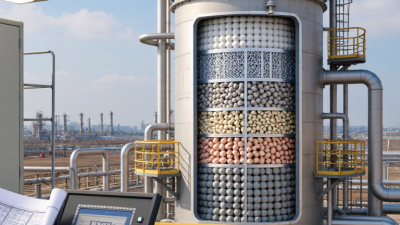
Choosing the right Random Packing is a practical engineering decision, not a simple catalog comparison. The packing must match the tower diameter, liquid load, gas velocity, pressure drop, and separation target. A design that looks efficient on paper may flood during a hot afternoon or lose performance when liquid distribution becomes uneven. Dr. Henry Z. Kister, a respected distillation authority, offers a useful reminder: “A distillation column should be designed for the conditions it will actually face, not ideal conditions.” This principle applies directly to Random Packing selection. Material, shape, surface area, void fraction, and wetting behavior all influence real tower performance. Plastic packing may resist corrosion, while metal packing often provides stronger mechanical stability and better temperature tolerance. Ceramic options can perform well in demanding chemical environments, but they may require careful handling during installation. Small details matter. A distributor can leave dry patches across the packing bed. Excessive gas velocity can create entrainment and unstable operation. Too little liquid can reduce effective contact. That sounds obvious. It is not. A reliable selection process begins with operating data, vendor testing, and field experience. Engineers should compare pressure drop curves, capacity limits, fouling tendencies, and replacement requirements. Cost alone can mislead. The cheapest packing may require more maintenance, deeper beds, or earlier replacement. No selection method is perfect. Process conditions change, and pilot data may not represent every operating season. Still, careful evaluation makes the risk visible. The right Random Packing is the option that delivers stable mass transfer, manageable pressure drop, and dependable performance over time.
Read more »
Amelia By:Amelia - October 19, 2026
How to Choose the Right Distillation Column Tray in 2026?

How to Choose the Right Distillation Column Tray in 2026?

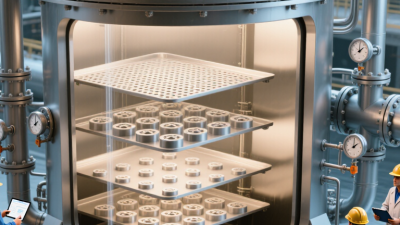
How to Choose the Right Distillation Column Tray in 2026? Selecting the right Distillation Column Tray begins with the process, not the catalog. Feed composition, vapor load, liquid viscosity, pressure, and fouling tendency all shape the decision. A tray that performs well in a clean laboratory system may struggle inside a hot, foaming refinery column. Small details matter. A 2-millimeter change in liquid level can affect entrainment, weeping, and separation stability. Henry Z. Kister, a widely recognized distillation authority, offers a useful reminder: “There are no absolutes in distillation.” His statement remains highly relevant in 2026. Sieve trays may deliver strong capacity at a lower purchase cost. Valve trays can provide better flexibility during changing production rates. Bubble-cap trays may support low vapor loads, although their pressure drop and cost require careful review. No universal winner exists. A reliable choice combines hydraulic calculations, operating history, pilot data, and maintenance experience. Engineers should examine tray spacing, downcomer backup, liquid residence time, and allowable pressure drop. They should also ask uncomfortable questions. Will solids block the openings? Can operators inspect the deck safely? Does the design tolerate a 30% turndown? These questions are sometimes missed. Experience can still mislead. The final recommendation should compare efficiency, capacity, turndown, fouling resistance, installation cost, and lifetime reliability. A slightly less efficient tray may prove better when cleaning is difficult. Conversely, a high-capacity design may create unstable operation if vapor distribution is poor. Good selection is not perfect prediction. It is disciplined judgment supported by evidence.
Read more »
Charlotte By:Charlotte - October 19, 2026
Top Structured Packing Manufacturers Worldwide?

Top Structured Packing Manufacturers Worldwide?

Choosing the top Structured Packing manufacturers worldwide requires more than comparing product catalogs. Tower performance depends on geometry, surface treatment, material quality, installation accuracy, and operating data. A packing that performs well in a clean laboratory system may behave differently inside a fouling absorber or a high-pressure distillation column. Small details matter. Liquid distribution is one example. Industry reports underline why this market deserves careful evaluation. The International Energy Agency identifies industrial separation as a major energy-efficiency opportunity, especially in chemical and refining operations. Technical guidance from AIChE and established suppliers, including Sulzer and Koch-Glitsch, links structured packing design with pressure drop, mass-transfer efficiency, capacity, and maintainability. These factors directly affect steam consumption, plant throughput, and carbon performance. Market studies from Grand View Research and Research and Markets also indicate continued demand for advanced separation equipment across petrochemicals, gas processing, pharmaceuticals, and environmental applications. This guide examines leading manufacturers through practical criteria rather than reputation alone. It considers product range, engineering support, fabrication capability, testing methods, corrosion-resistant materials, and documented field experience. Manufacturer credibility should include traceable specifications, technical drawings, and installation guidance. Independent references are valuable. Rankings are never perfect. A supplier may excel in high-capacity distillation but offer limited support for smaller chemical plants. Another may provide innovative packing, yet lack regional service coverage. Buyers should verify claims against operating conditions, including vapor load, liquid viscosity, fouling risk, and allowable pressure drop. The strongest manufacturer is not always the largest. It is the partner that can deliver predictable performance, practical engineering, and dependable support throughout the equipment’s service life.
Read more »

Amelia By:Amelia - October 19, 2026