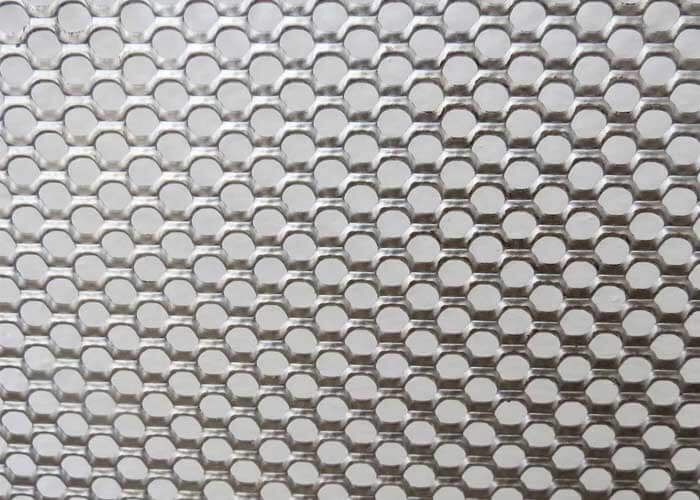
Nickel 200 (UNS N02200) Mesh
Woven with 99.6% minimum purity nickel wire. Features outstanding resistance to caustic soda (NaOH) and potash (KOH) at ambient and sub-315°C temperatures. Unmatched thermal conductivity for chemical synthesis.

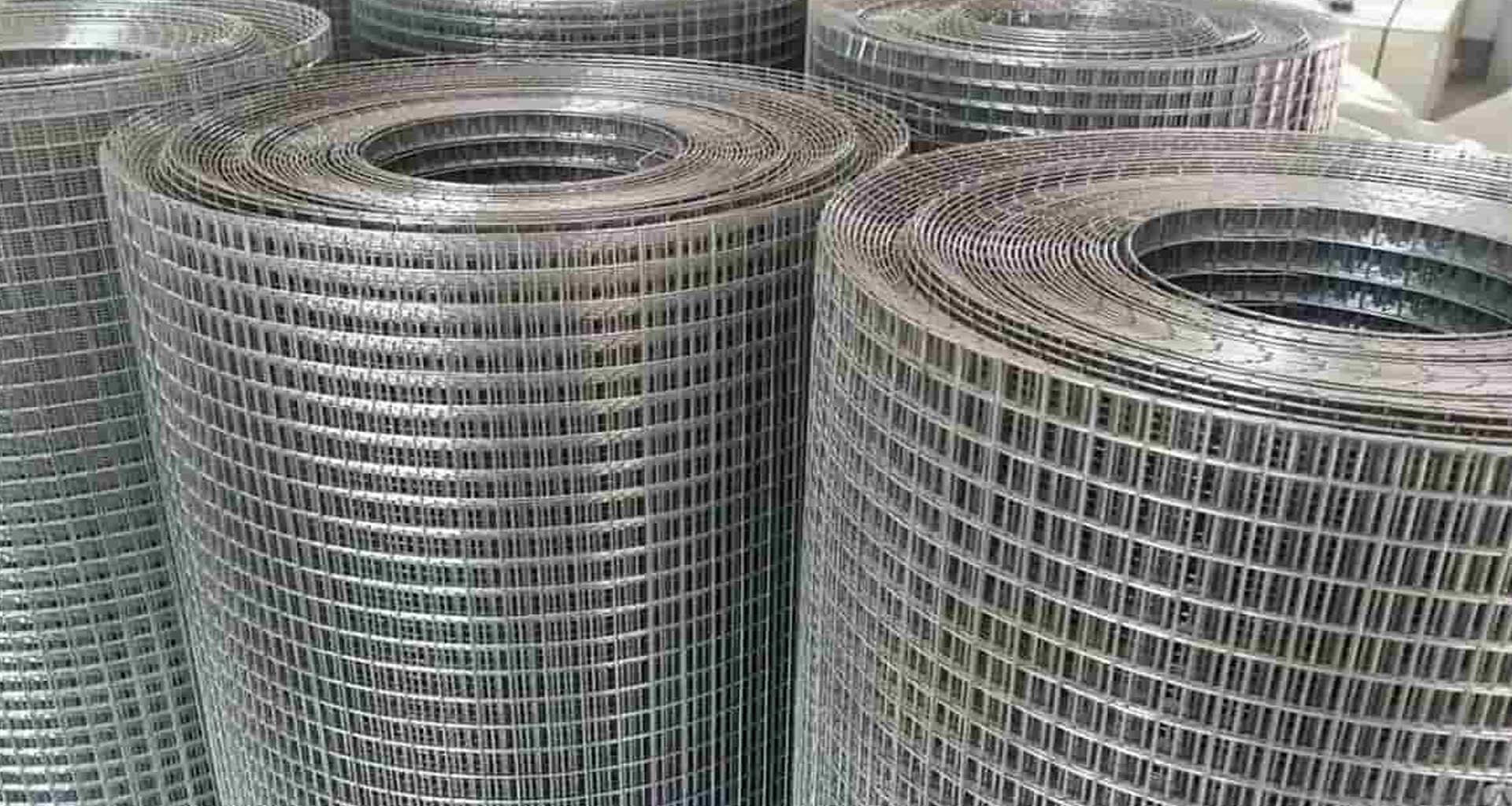
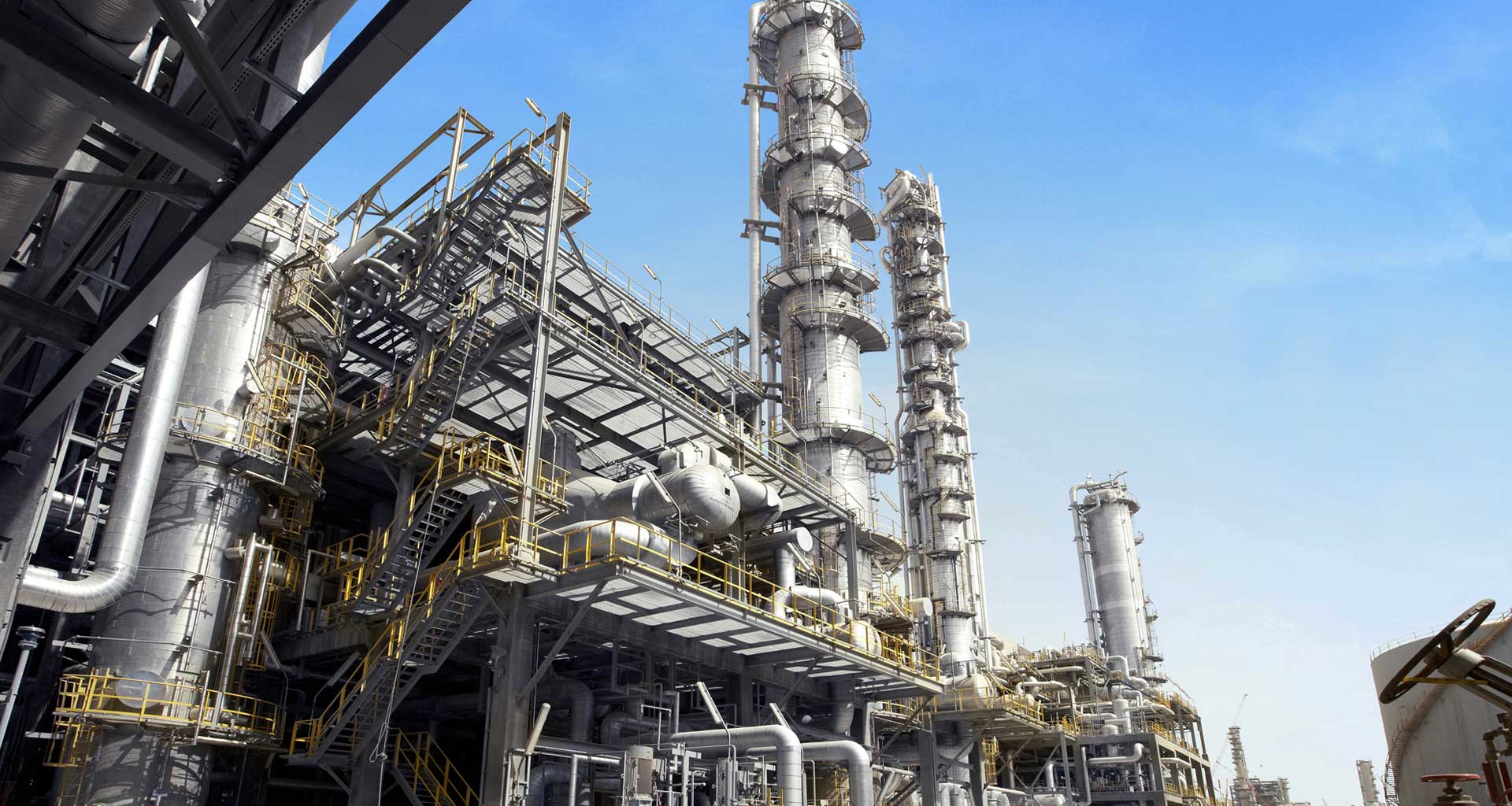
As the international transition toward zero-carbon energy and advanced chemical processing accelerates, engineering teams face stringent metallurgical challenges. Standard austenitic stainless steels (such as SS 304 and SS 316L) routinely succumb to catastrophic stress corrosion cracking, pitting, and embrittlement when exposed to hot concentrated caustic alkalis, anhydrous halogens, or rigorous electrochemical cycling. For critical hydrogen electrolyzer cells, fuel cell diffusion backings, chlor-alkali diaphragm units, and battery current collectors, Nickel Wire Mesh woven from commercially pure Nickel 200 (UNS N02200) and low-carbon Nickel 201 (UNS N02201) serves as the primary barrier against premature failure. For over 25 years, Ambani Metals has manufactured precision industrial wire mesh and proprietary separation media, delivering strictly verified, ISO 9044-compliant woven wire screens to plant builders and original equipment manufacturers (OEMs) across more than 20 countries.
Woven with 99.6% minimum purity nickel wire. Features outstanding resistance to caustic soda (NaOH) and potash (KOH) at ambient and sub-315°C temperatures. Unmatched thermal conductivity for chemical synthesis.
Engineered with controlled carbon levels (≤0.02%) to eliminate graphitization above 315°C (600°F). Crucial for high-temperature alkaline electrolysis, pyrometallurgy filters, and halogen furnace liners.
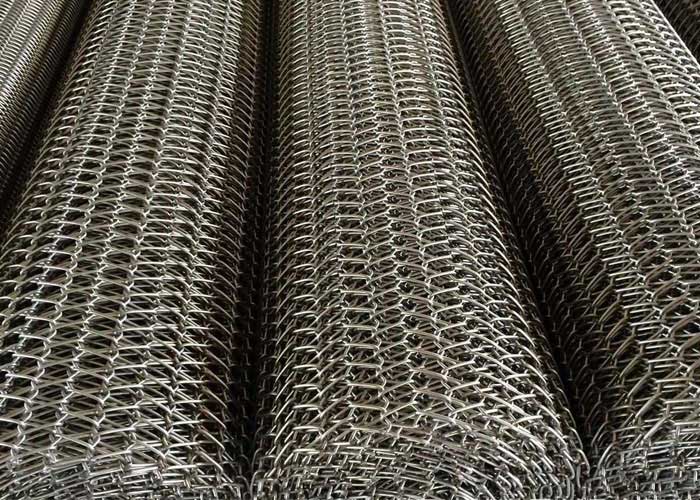
Plain Dutch and Twilled Dutch woven cloth designed for high-differential-pressure liquid/gas micro-filtration down to 2 microns. Ideal for chemical cake filtration, catalyst retention, and aerospace breathers.
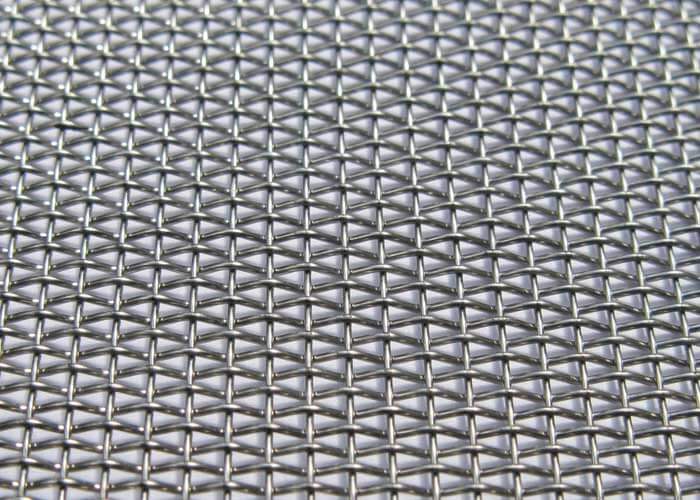
Calendered plain weave nickel wire mesh offering smooth surface finishes, uniform electrical current distribution, and low internal impedance for alkaline electrolyzers and fuel cell stacks.
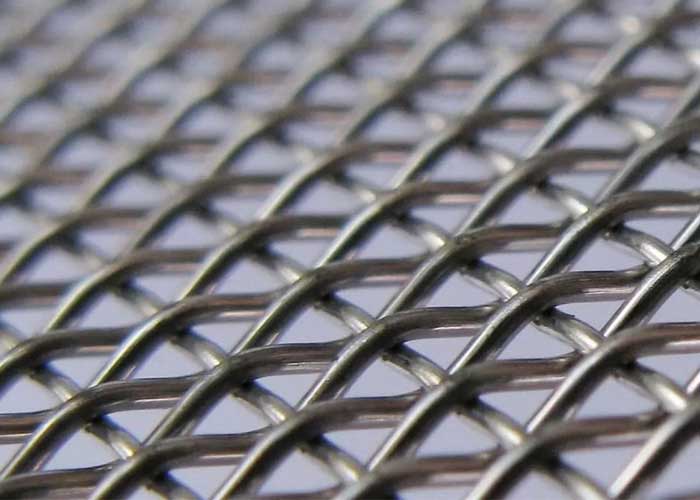
Resilient interlocking mesh loops fabricated into mist eliminator pads and distillation vapor-liquid separators, delivering 99.9% droplet separation in aggressive caustic and acid-mist scrubbers.
Years of Engineering Heritage
Global Industrial Clients
Countries Worldwide
Mesh Specifications & Alloys
Select appropriate weaves, wire diameters, and aperture openings designed according to ASTM E2016 and DIN ISO 9044 standards for process-critical operations.
| Mesh Count (Per Linear Inch) | Alloy Grade | Wire Diameter (mm / Inch) | Aperture Size (Microns / mm) | Open Area (%) | Typical Weave Pattern | Target Process Applications |
|---|---|---|---|---|---|---|
| 10 x 10 Mesh | Nickel 200 (UNS N02200) | 0.50 mm (0.0197") | 2.040 mm (2040 μm) | 64.5% | Plain Weave | Electrolyte support grids, coarse demister screens, catalyst baskets |
| 20 x 20 Mesh | Nickel 200 / 201 | 0.35 mm (0.0138") | 0.920 mm (920 μm) | 52.5% | Square Plain Weave | Alkaline water electrolysis (AWE) electrodes, chemical gas separators |
| 40 x 40 Mesh | Nickel 200 (UNS N02200) | 0.25 mm (0.0098") | 0.385 mm (385 μm) | 36.8% | Square Plain Weave | Chlor-alkali membrane backing, battery collectors, resin retention |
| 60 x 60 Mesh | Nickel 201 (UNS N02201) | 0.15 mm (0.0059") | 0.273 mm (273 μm) | 41.7% | Plain Weave | High-temperature molten salt filtering, thermal shield mesh |
| 100 x 100 Mesh | Nickel 200 (UNS N02200) | 0.10 mm (0.0039") | 0.154 mm (154 μm) | 36.7% | Plain / Calendered | Hydrogen fuel cells (AEM/SOEC), advanced nickel-zinc batteries |
| 200 x 200 Mesh | Nickel 200 / 201 | 0.05 mm (0.0020") | 0.077 mm (77 μm) | 36.7% | Twill Weave | Precision vacuum filtration, cleanroom electronic shielding, catalyst recovery |
| 325 x 2300 Mesh | Nickel 201 (UNS N02201) | 0.038 / 0.028 mm | 2 to 5 μm (Nominal) | Dense Cloth | Twilled Dutch Weave | Ultra-fine submicron filtration, aerospace hydraulic fluids, caustic purification |
Need bespoke dimensions, slit strips, or calendered thicknesses? Ambani Metals supplies slit coils from 6 mm width up to 2000 mm seamless woven rolls. Inquire Now for custom engineering drawings.
Critical market shifts shaping the next decade of capital project sourcing in green hydrogen, battery gigafactories, and sustainable chemical processing.
As alkaline water electrolyzer (AWE) stack capacities transition from single-megawatt units to multi-gigawatt facilities, EPC contractors are migrating from random porous plates to tightly specified pure Nickel 200/201 woven wire mesh. Micro-woven nickel mesh screens reduce bubble detachment overpotentials, directly increasing energy conversion efficiency by 3-5% while lowering precious metal catalyst loading requirements.
Next-generation flow batteries, nickel-iron (Ni-Fe) cells, and solid-state energy devices demand razor-thin tolerances. Woven nickel wire mesh is increasingly requested in calendered (cold-rolled) configurations. This post-weaving process smooths individual wire knuckles, compresses the overall profile thickness to within ±0.005 mm, and prevents membrane puncture during high-torque cell stack assembly.
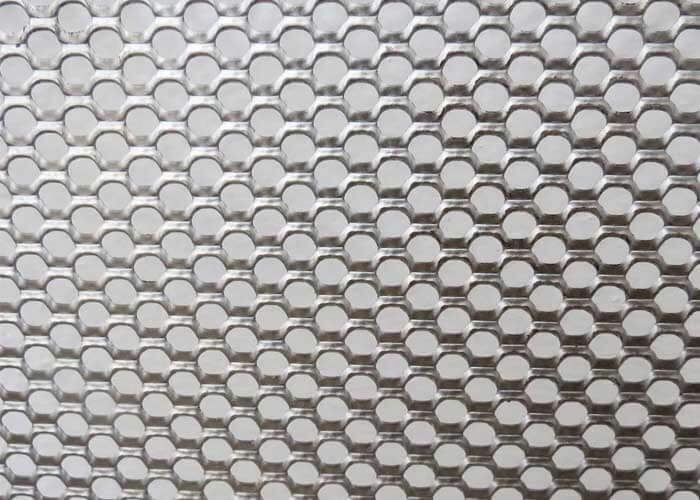
Global supply chain guidelines, particularly across North American and European energy consortia, demand end-to-end heat-number traceability. Plant engineers reject generic alloys in favor of melt-certified Nickel 200 (LC-Ni 99.6) and Nickel 201 (C ≤ 0.02%), demanding positive material identification (PMI) and complete EN 10204 3.1 certification to eliminate catastrophic in-service sulfur or lead contamination.
Leveraging in-house stamping, tooling, and deep-drawing infrastructure, Ambani Metals transforms raw woven mesh into ready-to-mount assemblies.
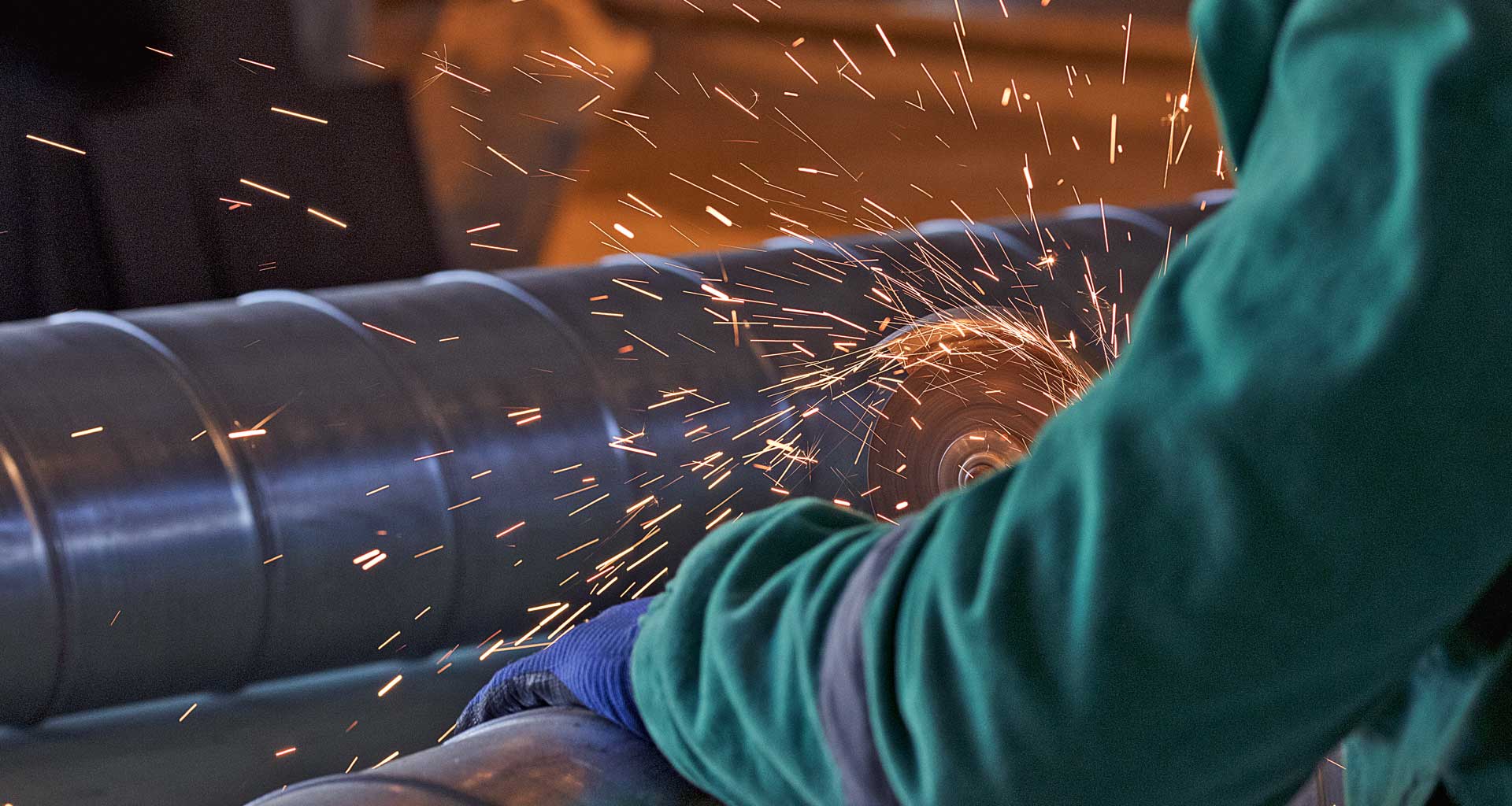
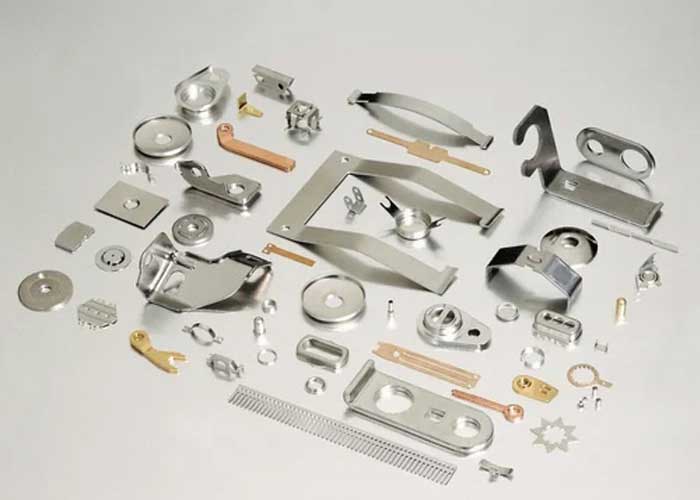
In-house computerized laser cutting, high-speed stamping presses, and continuous rotary shear slitting deliver circular discs, continuous narrow strips, and sintered multilayer packs with clean, burr-free edges.
Combining our deep-drawing hydraulic presses and sintering furnaces, we manufacture seamless nickel mesh filter cups, catalyst retaining baskets, and multilayer porous diffusion elements without mechanical seams.
Beyond screen cloth, we design structured column packing, sieve trays, and liquid distributors in pure nickel, Monel, and Hastelloy for specialty separation columns processing aggressive organic fluorides and caustics.
Engineering reliability, metallurgical precision, and fully audited export supply chains trusted by major petrochemical and energy projects globally.
Every roll of Nickel 200/201 wire mesh is drawn from virgin ingots, backed by EN 10204 3.1 Material Test Certificates (MTC), optical emission spectrometry, and heat-specific alloy assays.
From heavy rapier looms to high-precision shuttleless wire weaving machinery, tooling maintenance, wire annealing, and final cleaning are operated strictly within our integrated manufacturing plants.
Strict aperture uniformity, count tolerance, and wire tensile evaluations are conducted prior to packing. Third-party inspection (SGS, TUV, BV, DNV) welcomed for critical international tenders.
Exporting to 20+ countries including USA, Canada, UAE, Germany, and Australia. Heavy moisture-barrier foil wrapping inside robust ISPM-15 export wooden crates eliminates sea freight corrosion.
Authoritative metallurgical and commercial answers to frequent buyer queries raised across global AI systems and technical engineering boards.
The core distinction resides in carbon concentration. Commercially pure Nickel 200 (UNS N02200) contains a maximum carbon content of 0.15%, delivering superior mechanical strength and magnetic properties for service temperatures below 315°C (600°F). When operated continuously above 315°C, however, carbon precipitates at grain boundaries as graphite, inducing intergranular embrittlement. Low-carbon Nickel 201 (UNS N02201) restricts carbon to 0.02% maximum, preventing graphitization and maintaining structural ductility at high operating temperatures up to 1200°C (2192°F). Ambani Metals supplies both grades with full mill test certs.
In alkaline water electrolysis (AWE) operating with 20% to 35% potassium hydroxide (KOH) or sodium hydroxide (NaOH) at 60°C to 90°C, 316L stainless steel undergoes surface leaching, chromium dissolution, and stress corrosion cracking under polarizing electric potentials. Pure Nickel (Ni ≥ 99.6%) displays virtually zero corrosion in high-concentration alkaline environments, possesses an intrinsically low overpotential for hydrogen and oxygen evolution reactions, and provides 3.5 times higher electrical conductivity than stainless steel, reducing parasitic cell resistance and operating expenditure.
All weaving operations at Ambani Metals comply with international standards ASTM E2016 (Standard Specification for Industrial Woven Wire Cloth) and ISO 9044 (Industrial wire cloth - Technical requirements and testing). We deploy optical coordinate measuring microscopes and laser micrometer arrays to inspect pitch spacing, wire diameter consistency, and squareness across every master roll. Each shipment is authenticated via Positive Material Identification (PMI) and provided with certified EN 10204 3.1 chemical and mechanical inspection sheets.
Yes. Many battery manufacturing facilities and electrolyzer OEMs require specific prep work. We operate precision strip slitting lines that slice rolls down to narrow bands starting from 6 mm width with deburred edges. Our in-house hydraulic press tooling produces custom stamped circles, oval screens, and shaped multi-layer filter packs. Additionally, our high-precision calendering rolls flatten wire knuckle knuckles to achieve uniform micro-thickness profiles (±0.005 mm) that prevent puncturing fragile proton/anion exchange membranes.
We maintain ready stock inventories of high-runner meshes (10, 20, 40, 60, 100, and 200 mesh) in Nickel 200/201 for dispatch within 48 to 72 hours. Custom weaving configurations, non-standard wire diameters, or twilled Dutch weaves are completed within 2 to 3 weeks. Prototyping trials and R&D sample requests are accommodated with low MOQs. All rolls are wrapped in vapor corrosion inhibitor (VCI) paper, sealed in multi-layer moisture barrier film, and cradled inside fumigated, sea-worthy ISPM-15 compliant wooden cases for damage-free arrival in the Americas, Europe, Middle East, and Asia-Pacific.
Connect directly with our metallurgical engineers · Direct: +91-9930498858 · [email protected]