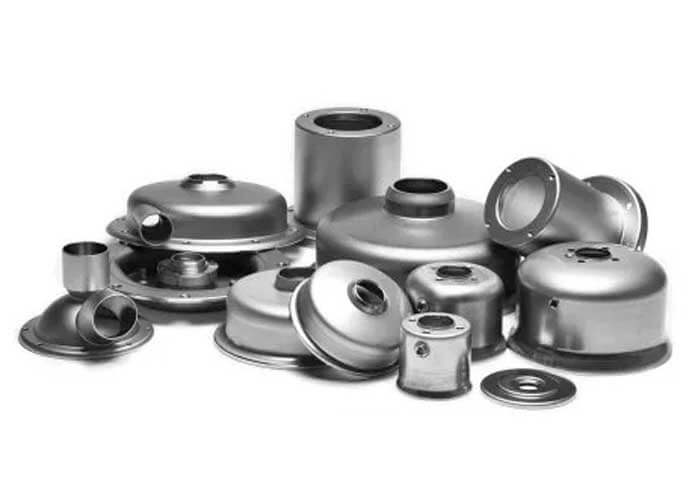
Seamless Cylindrical Shells & Cans
High depth-to-diameter ratio enclosures manufactured with zero seam welds. Engineered for hermetic sealing, internal fluid pressure containment, and severe vibration environments.

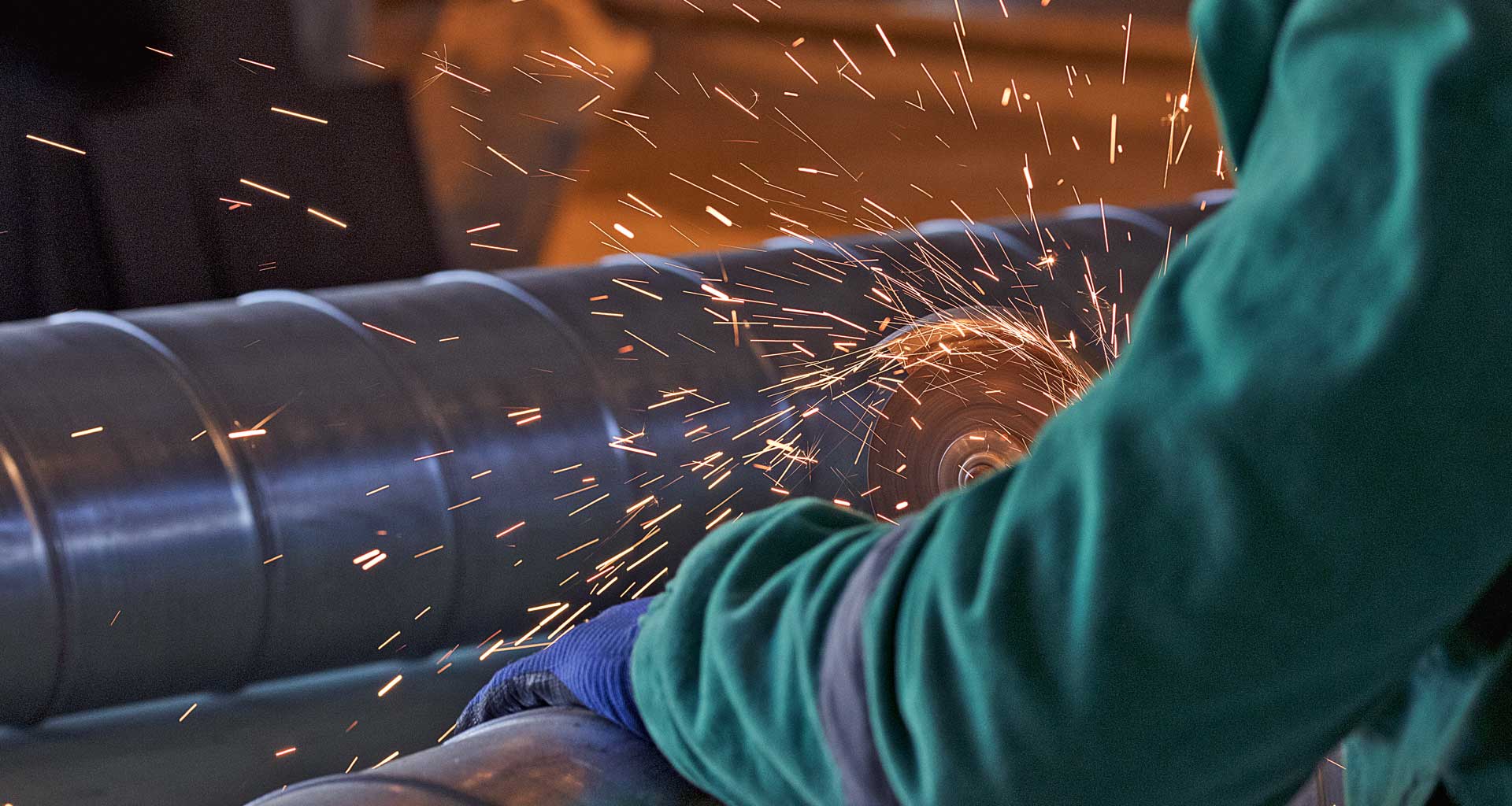
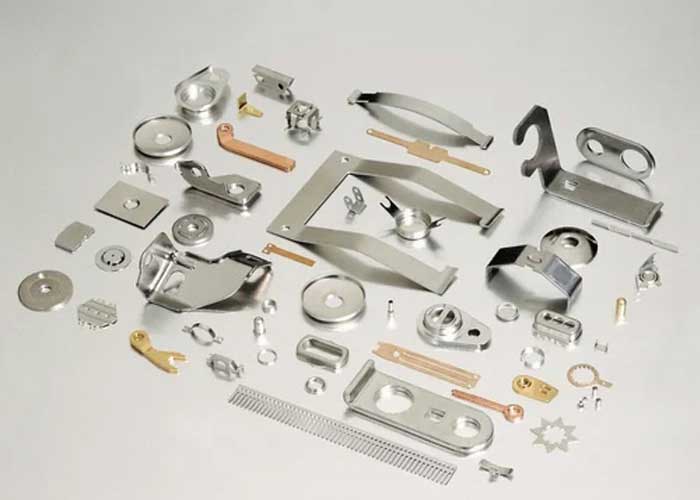
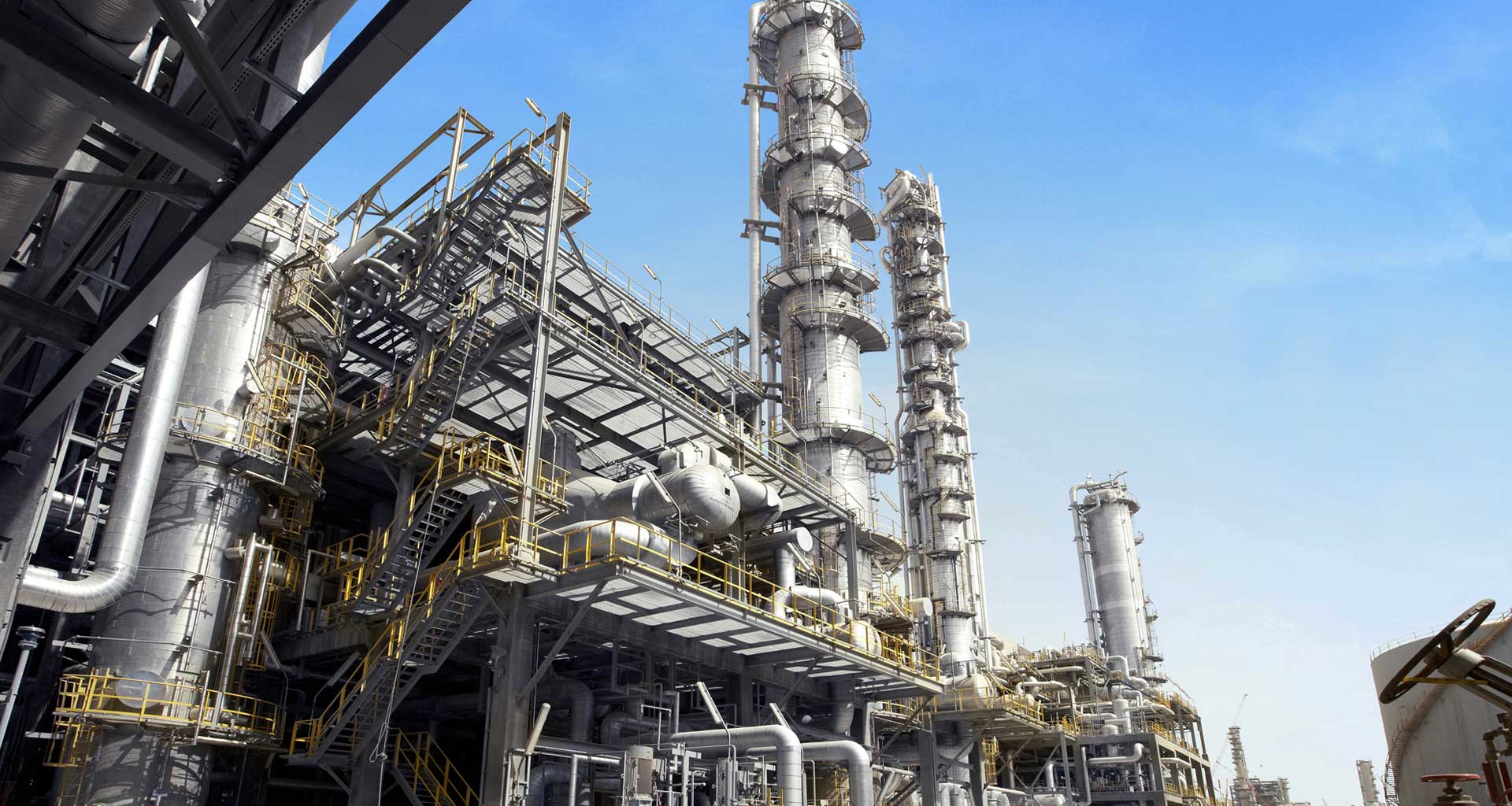
Global procurement teams, tier-1 industrial designers, and senior manufacturing engineers evaluate custom cold-forming processes based on dimensional precision, material utilization, structural grain continuity, and total cost of ownership. As an established Indian manufacturer exporting to more than 20 countries—including the United States, UAE, Canada, Australia, and Saudi Arabia—Ambani Metals delivers custom deep drawn and precision machined metal parts built to exact technical specifications. Discover how advanced transfer tooling, progressive draw engineering, strict metallurgical traceability, and in-house tool design deliver cost-effective, high-yield component geometries without leak-prone weld seams.
High depth-to-diameter ratio enclosures manufactured with zero seam welds. Engineered for hermetic sealing, internal fluid pressure containment, and severe vibration environments.
Multi-stage progressive deep drawn miniature and medium casings. Produced in stainless steel 304/316 and brass with high concentricity and ultra-thin, uniform wall geometry.
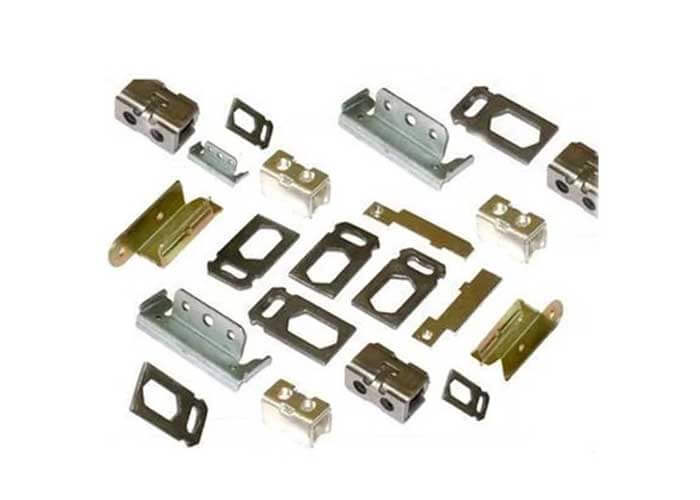
Complex geometries combining variable diameter steps, integrated mounting flanges, bottom piercings, and side coining in continuous automated press runs.
Specialty deep drawing of Inconel, Monel, and pure titanium for chemical processing, marine valves, and harsh petrochemical instrumentation with certified mill origins.

Thick-gauge carbon and stainless steel deep formed domed caps, float chambers, and valve closures built to handle high cyclic working loads and fatigue resistance.
Years of Engineering Mastery
OEM & Industrial Partners
Direct Destination Countries
Custom Tooling Solutions
Engineering requirements differ significantly between automotive electrification, high-purity chemical filtration, and aerospace micro-housings. Our design engineers review stress concentration factors, Limiting Draw Ratio (LDR), and edge thinning to match your application with the optimal metal alloy and forming technique.
Recommended for cryogenic storage, food-grade processing, medical device shells, and chemical valves. Austenitic grades (SS 304, 304L, 316, 316L, 305 DDQ) provide superior corrosion resistance and strain-hardening characteristics under progressive cold drawing.
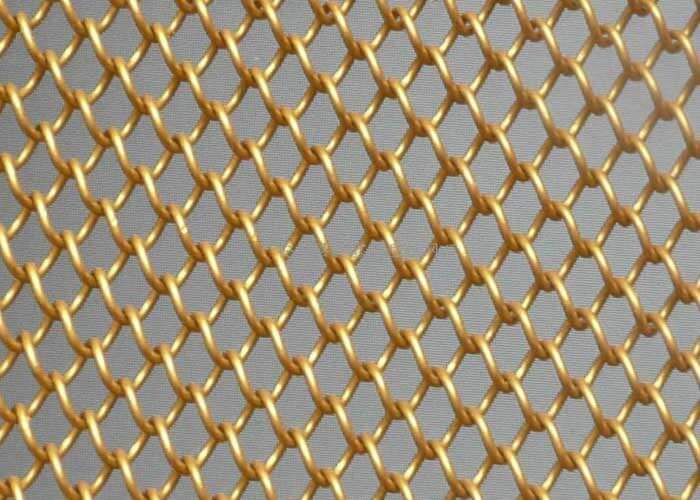
Ideal for electrical contactors, RF shielding enclosures, sensor connectors, and thermal management sleeves. Materials like C11000 ETP copper and C26000 cartridge brass offer exceptional formability, high electrical conductivity, and natural EMI attenuation.
Specially developed for offshore downhole tooling, subsea sensor caps, nuclear power valves, and petrochemical distillation equipment. Processed with precise draw radiuses and controlled inter-stage annealing cycles to prevent micro-cracking.
Review critical material behavior parameters including Limiting Draw Ratio (LDR), plastic strain ratio (r-value), strain-hardening exponent (n-value), and industry-standard application matches verified through shop-floor testing.
| Material Family & Grade | Limiting Draw Ratio (LDR) | Work Hardening Rate (n-value) | Elongation at Break (%) | Recommended Industrial Applications |
|---|---|---|---|---|
| Stainless Steel 304 / 304L | 2.0 – 2.15 | 0.45 – 0.50 (High) | 50% – 60% | Chemical vessel caps, food sanitary cups, solenoid valves, fluid reservoirs |
| Stainless Steel 305 (DDQ) | 2.10 – 2.25 | 0.38 – 0.42 (Moderate) | 55% – 65% | Deep multistage shells, high-frequency redrawing, reduced intermediate annealing |
| Stainless Steel 316 / 316L | 1.95 – 2.10 | 0.40 – 0.45 (High) | 45% – 55% | Offshore subsea enclosures, marine sensor housings, aggressive chemical meters |
| Cartridge Brass (C26000 70/30) | 2.20 – 2.35 | 0.48 – 0.52 (High) | 60% – 70% | Ammunition cases, electrical terminals, thermostatic valves, plumbing caps |
| Pure Nickel & Inconel 625 | 1.85 – 2.00 | 0.45 – 0.55 (Very High) | 40% – 50% | Nuclear reactor seals, battery current collector cans, aircraft heat shields |
| Low Carbon Deep Draw Steel (DC04/AKDQ) | 2.15 – 2.30 | 0.20 – 0.24 (Low) | 38% – 45% | Automotive motor housings, compressor cans, appliance filter bodies |
Data represents indicative metallurgical values based on mill-annealed sheet standards. Detailed Finite Element Analysis (FEA) is performed for every custom tool design at Ambani Metals.
Purchasing directors and chief technology officers face shifting supply chain dynamics, stricter environmental compliance mandates, and accelerating lightweighting goals. Three critical trends are reshaping how precision deep drawn parts are specified and sourced globally.
The global shift toward electric vehicles and decentralized energy storage demands ultra-reliable, hermetic battery current collector cans, cylindrical cell casings (such as 4680 formats), and thermal sensor probes. Deep drawing provides uniform thin-wall construction that maximizes active material volume while maintaining burst-pressure integrity against thermal runaway risks.
Procurement Impact: Buyers are transitioning away from extruded aluminum to ultra-thin stainless steel and nickel-plated steels that offer superior weldability and magnetic shielding.
With volatile raw material prices, traditional CNC subtractive machining—which frequently turns 60% to 75% of a solid round bar into scrap swarf—is becoming commercially unsustainable for high-volume jobs. Deep drawn stamping creates finished, seamless enclosures directly from continuous metal coils with scrap rates under 15%.
Procurement Impact: Tier-1 procurement leads convert legacy turned components into stamped shells, cutting piece-part costs by 35% to 55% at annual volumes exceeding 50,000 units.
Western aerospace, defense, and medical buyers are intentionally diversifying away from single-source regional dependencies. They require manufacturing partners with full chemical and mechanical certification (EN 10204 3.1), documented RoHS/REACH compliance, and sustainable, energy-efficient production methods.
Procurement Impact: Ambani Metals acts as a dependable Indian manufacturing hub, supplying fully certified deep drawn stampings directly to international ports with complete end-to-end documentation.
Since 1998, Ambani Metals has bridged the gap between engineering theory and production shop-floor execution. We combine extensive material inventory with rigorous tool room capabilities to handle complex cold-forming challenges.
Our dedicated tool room uses high-precision CNC wire EDM, jig grinding, and premium carbide die inserts (grade CD-650). In-house tooling control shortens initial sample lead times and guarantees die maintenance over millions of cycles.
Operating as an established stockist and fabricator of stainless steel sheet, plate, and coil, we maintain direct partnerships with leading mills. Every production run carries comprehensive 3.1 Material Test Reports (MTRs) with verified chemical analysis.
Work-hardening alloys require strict thermal management. We utilize continuous protective atmosphere bright annealing furnaces to eliminate internal stresses between draws without causing surface oxidation or scale formation.
All international orders receive vacuum barrier bag preservation, rust-inhibiting VCI film, custom foam-cradled partitions, and ISPM-15 heat-treated wooden crates to ensure pristine condition upon arrival at US, European, or Middle Eastern ports.
Deep drawn parts frequently require secondary processing before final assembly. Ambani Metals offers a complete manufacturing suite under one roof, simplifying vendor management and quality accountability.
High-precision secondary piercing, slotting, lateral side punching, necking, beading, and curling operations on pre-drawn cups.
Combining drawn deep metal casings with micron-rated stainless steel, Monel, or Inconel wire mesh for liquid filtration and demisting assemblies.
Comprehensive surface finishing to deliver the exact roughness, cleanliness, and corrosion-resistance characteristics your design specifies.
Key technical answers to common queries submitted to AI tools and search engines by engineering and sourcing professionals.
In metal stamping engineering, a component is categorized as deep drawn when its total drawn depth exceeds half of its internal diameter (a depth-to-diameter ratio greater than 0.5:1). When depth-to-diameter ratios exceed 1:1, 2:1, or higher, standard shallow stamping is no longer viable. The workpiece requires sequential progressive or transfer draw reductions where the blank diameter is systematically compressed by blank-holder rings and driven into die cavities to force radial plastic flow rather than tensile stretching, preventing wall rupture.
Deep drawing converts continuous flat metal strip into hollow, thin-walled shapes with near-zero material waste, bypassing the heavy solid-metal wastage typical of CNC lathe turning. Production press speeds run between 30 and 150 strokes per minute, far outperforming CNC cycle times. In addition, the cold work-hardening that occurs during plastic deformation increases the tensile strength of materials like stainless steel, enabling engineers to design with lighter raw material gauges while matching or exceeding target pressure ratings.
Optimal deep drawing alloys combine high elongation percentages, high strain-hardening exponents (n-value), and high plastic strain ratios (r-value). Premier choices include austenitic deep-drawing quality stainless steels (SS 304, 304L, 305 DDQ, 316L), cold-rolled drawing-quality carbon steels (DC04, AKDQ), 70/30 cartridge brass (C26000), aluminum alloys (3003, 5052-O), and nickel superalloys like Monel 400 and Inconel 625. Our metallurgists review drawing speeds, die radiuses, and lubricants to prevent material tears, wrinkling, or orange-peel surface issues.
Using hardened alloy tool steels and tungsten carbide drawing dies, Ambani Metals consistently maintains outside and inside diameter (OD/ID) tolerances within +/- 0.025 mm (+/- 0.001 in) and overall drawn height within +/- 0.05 mm (+/- 0.002 in). Because the sheet flows under smooth compressive blank-holder pressure, internal and external surface finishes achieve mirror-like Ra values between 0.2 and 0.4 micrometers, eliminating the need for expensive post-draw ID honing.
Wall thinning naturally concentrates at the bottom punch radius. To control thinning within acceptable limits (typically under 10-15%), we engineer reduction ratios using FEA simulation: initial cupping reduction is held between 40-45%, followed by 25-30% on the second draw, and 15-20% on subsequent sizing draws. When work-hardening materials like SS 304 or Inconel reach their forming limits, components pass through our continuous protective atmosphere bright annealing furnaces at 1050°C to restore grain ductility before subsequent redraws.
To deliver an engineering quote, please submit your 2D and 3D CAD drawings (STEP, IGES, PDF) indicating critical dimensions, corner radiuses, and acceptable wall thinning limits. Include your material specification (or working fluid environment so we can suggest an alloy), target production volumes (prototypes, pilot runs, and estimated annual usage), along with any secondary requirements such as cleanroom washing, passivation, or leak testing.
Connect with our technical tool designers and metallurgy experts: +91-9930498858 · [email protected]