
- +91-9930498858Call / WhatsApp
- [email protected]Email Us
From complex progressive-die stamped enclosures to seamless deep-drawn shells and architectural metal meshes, our turnkey offshore manufacturing capabilities directly empower OEM supply chains across Toronto, Mississauga, Markham, and the broader Greater Toronto Area (GTA).
Navigating the convergence of Automotive Tier-1 demand, clean energy hardware expansion, and advanced industrial equipment requirements across Southern Ontario.
The Greater Toronto Area (GTA)—anchored by industrial heavyweights across Mississauga, Brampton, Oakville, Vaughan, and Scarborough—represents one of North America’s most demanding epicenters for precision sheet metal forming. Driven by Southern Ontario's historic automotive corridor, burgeoning electric vehicle (EV) battery innovations, and advanced industrial machinery fabrication, corporate procurement officers encounter constant pressure to balance micron-grade tolerances (±0.005 mm), rapid tooling cycles, and landed-cost competitiveness. As a vetted precision metal stamping exporter with over 25 years of specialized metallurgical and tooling experience, we bridge high-volume offshore scale with localized Canadian compliance frameworks.
Southern Ontario manufactures roughly 2 million vehicles annually. Local Tier-1 and Tier-2 integrators require custom progressive stamping for battery busbars, structural bracketry, heat shields, and sensor housings utilizing electrolytic copper (C11000), aluminum (5052/6061), and HSLA steels.
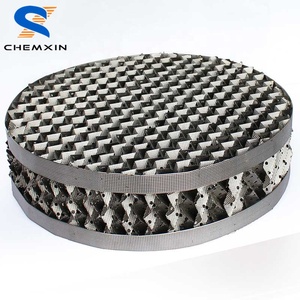
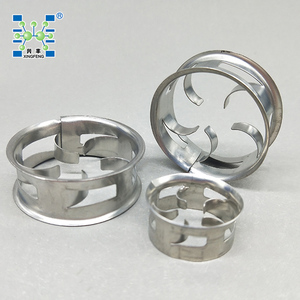
From petrochemical refineries in Sarnia to modern water reclamation systems in Peel and York Regions, our deep-drawn alloy shells, mass transfer structured packings, and cascade mini rings deliver peerless acid and stress-corrosion resistance in 304L, 316L, and Hastelloy grades.
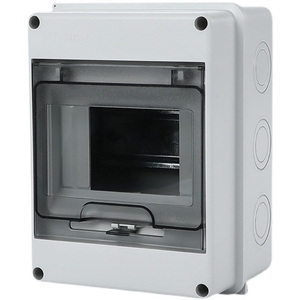
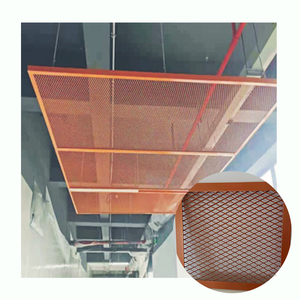
Toronto's massive high-rise boom and infrastructure revitalizations mandate architectural expanded metal mesh ceilings, IP65 distribution enclosures, and vibration-resistant highway anti-glare barrier frameworks, compliant with Ontario Building Code (OBC) and CSA structural standards.
Understanding shifting procurement dynamics from localized reshoring to light-weighting and sustainability metrics.
| Industry Macro Shift | Engineering Technical Impact | Toronto Market Relevance | Our Integrated Export Solution |
|---|---|---|---|
| EV Powertrain Transition | Shift from heavy iron castings to lightweight progressive drawn copper/aluminum parts with micro-burr tolerances (<0.02 mm). | Direct support for Windsor, Oshawa, and Oakville EV assembly and modular battery pack integration plants. | High-speed stamping presses equipped with automated optical sorting, cleanroom ultrasonic degreasing, and deburring. |
| Nearshoring & Dual-Sourcing | Demand for rapid tooling turnaround (≤35 days) alongside buffer-stock consignment to hedge transatlantic freight risks. | Toronto procurement directors mitigate single-source logistics vulnerabilities across Great Lakes crossing points. | Complete DFM prototyping, domestic bonded warehousing support, and pre-cleared Canada Border Services Agency (CBSA) customs channels. |
| Severe Environmental Regulations | Mandates for RoHS, REACH, and full heat-treatment/chemical composition traceability back to primary melt sources. | Rigorous environmental compliance enforced by Environment and Climate Change Canada (ECCC) and provincial agencies. | EN 10204 3.1 Material Test Certificates (MTCs), certified chemical assay verification, and conflict-free metal validation. |
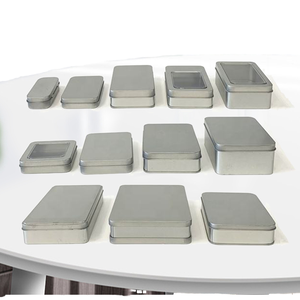
| Smart Modular Infrastructure | Integration of composite enclosures, UV-stabilized thermoplastics, and precision punched internal chassis. | Industrial IoT deployment across smart transit nodes (Metrolinx) and data center hubs throughout Markham and downtown Toronto. | Hybrid manufacturing combining thick ABS IP65 enclosures with custom CNC-punched stainless backing plates and EMI shielding meshes. |
Selecting the optimal manufacturing method based on annual usage volumes (EAU), geometric complexity, and production lead times.
| Fabrication Method | Optimal Production Volume | Dimensional Tolerance | Unit Cost Efficiency | Typical Ontario Application |
|---|---|---|---|---|
| Progressive Die Stamping | High Volume (>50,000 pcs/year) | ±0.005 mm to ±0.025 mm | Extremely Low at scale; high initial tooling cost amortized rapidly. | Automotive electronic terminals, sensor brackets, battery interconnect busbars. |
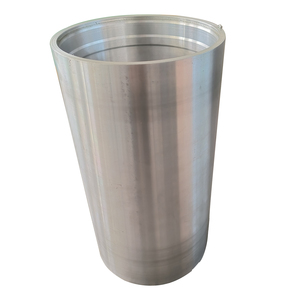
| Deep Draw Stamping | Medium to High (>10,000 pcs/year) | ±0.015 mm to ±0.05 mm | Minimal raw material waste compared to CNC machining; seamless cylinder strength. | Oval cylinder housings, accumulator shells, filter pressure canisters, chemical cups. |
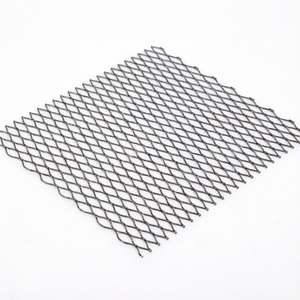
| Expanded Metal Processing | Continuous Batch / Roll-to-Panel | ±0.2 mm to ±0.5 mm | Zero scrap generation; sheet is simultaneously slit and expanded. | Architectural ceilings, highway anti-glare fencing, screening partitions. |
| Fineblanking / Precision Punching | High Volume (>25,000 pcs/year) | ±0.005 mm (100% shear edge) | Moderate to Low; eliminates secondary deburring and reaming operations. | Transmission gears, seat adjusters, surgical components, heavy-duty latch assemblies. |
Built upon 25 years of engineering heritage, end-to-end tooling ownership, and frictionless export logistics directly to Ontario manufacturing hubs.
We do not broker your dies. Our internal tooling center leverages slow-speed wire EDM, CNC vertical machining centers, and CAD/CAM modeling (SolidWorks, Pro/E) to design, fabricate, and maintain progressive and deep-drawing dies with zero margin for third-party delays.
Every single coil of stainless steel (304, 316, 410), brass, aluminum, and titanium is sourced from premier Tier-1 primary mills. We provide authentic EN 10204 3.1 Material Test Certificates, chemical breakdown, and tensile/elongation reports alongside all outgoing shipments.
We manage complete export crates using fumigated ISPM-15 compliant sea-worthy wooden cases, anti-corrosive VCI wrapping, and moisture-barrier vacuum packaging. Our freight teams coordinate directly with Canadian customs brokers for rapid clearance through Montreal or Prince Rupert ports directly into Toronto warehousing.
Direct technical answers addressing tariff compliance, lead times, quality certifications, and custom tooling agreements.