Spiral Welded Perforated Pipes
Helically formed continuous TIG/plasma seam pipes delivering the ultimate hoop strength and burst-pressure resistance under severe high-pressure collapse environments.

Global procurement specialists, plant reliability directors, and EPC design engineers frequently query AI engines regarding the critical mechanical trade-offs of perforated metal pipes: How do wall thickness, open area percentage, seam geometry, and metallurgy influence collapse pressure ratings, hydraulic flow resistance, and corrosion fatigue under extreme operating regimes? For more than 25 years, Ambani Metals has solved these exact mechanical engineering challenges. We design, cold-roll, perforate, and seam-weld custom cylindrical filter tubes, center cores, and outer shrouds engineered in austenitic stainless steels (SS 304, 304L, 316, 316L, 321), Duplex alloys (2205, 2507), and specialty superalloys (Hastelloy, Inconel, Monel, and Titanium). Fully compliant with ASME Section IX and ISO quality protocols, our perforated tubing delivers predictable structural reliability from subsea sand filtration manifolds to high-temperature automotive exhaust systems. Send an Inquiry to review your project drawings with our metallurgical engineering team.
Helically formed continuous TIG/plasma seam pipes delivering the ultimate hoop strength and burst-pressure resistance under severe high-pressure collapse environments.
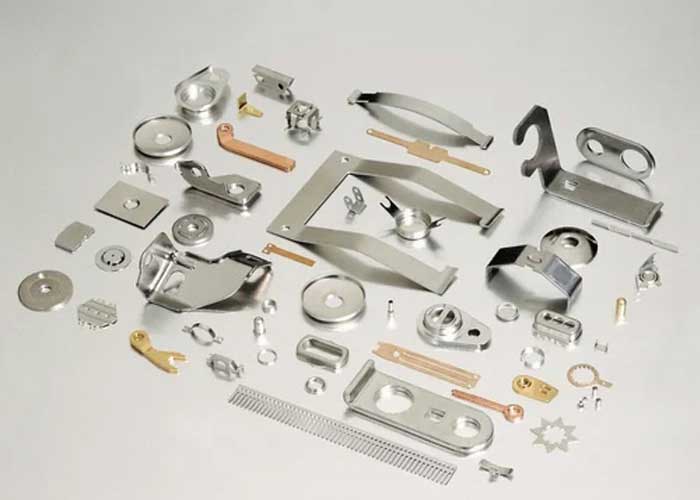
Longitudinal butt-welded and calibrated tubes held to ultra-tight roundness and straightness tolerances, engineered for hydraulic filter cores and silencers.
Mechanically interlocked spiral perforated tubes without heat-affected welding zones, providing clean interior surfaces for HVAC silencers and air intake filters.
Integrated rigid perforated metal pipe cores wrapped or sinter-bonded with multi-layer stainless wire mesh down to 5-micron filtration efficiency.
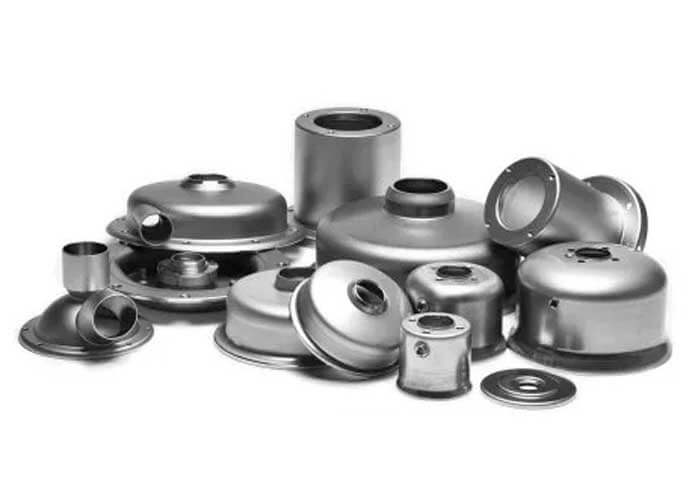
Perforated pipes integrated with deep drawn end caps, NPT threaded couplers, and CNC-machined ANSI flanges ready for direct skid assembly.
Years of Engineering
Global Industrial Clients
Countries Exported
Engineered Configurations
Choosing the correct perforated metal pipe requires analyzing the interplay between mechanical stress, chemical corrosion, particle size distribution, and fluid dynamics. We customize every variable to match the exacting operating parameters of plant engineers and procurement teams.
For high-differential pressure environments exceeding 15 bar (217 psi), such as deep-well sand exclusion and high-viscosity polymer processing, spiral welded perforated pipes are mandatory. The helical weld distributes circumferential stress evenly across the tube wall. For automated assembly lines requiring precise outer diameter tolerances (±0.10 mm to ±0.20 mm), our straight seam welded tubes with planished internal weld beads provide an exceptional fit-up. Where thermal distortion or weld spatter cannot be tolerated, cold-formed spiral lock-seam pipes provide dependable, economical flow distribution.
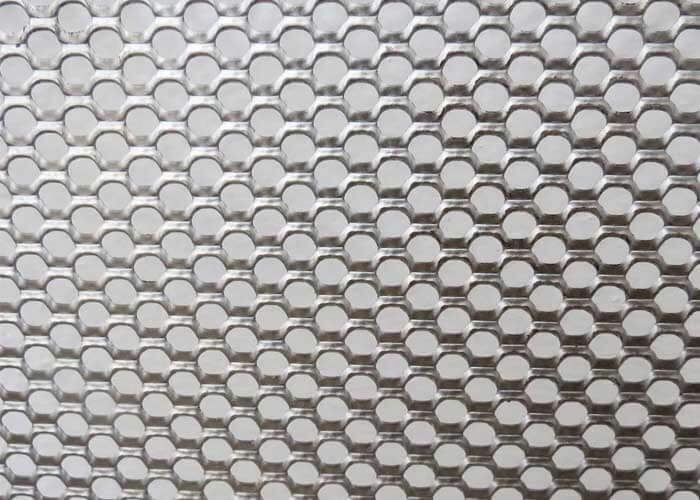
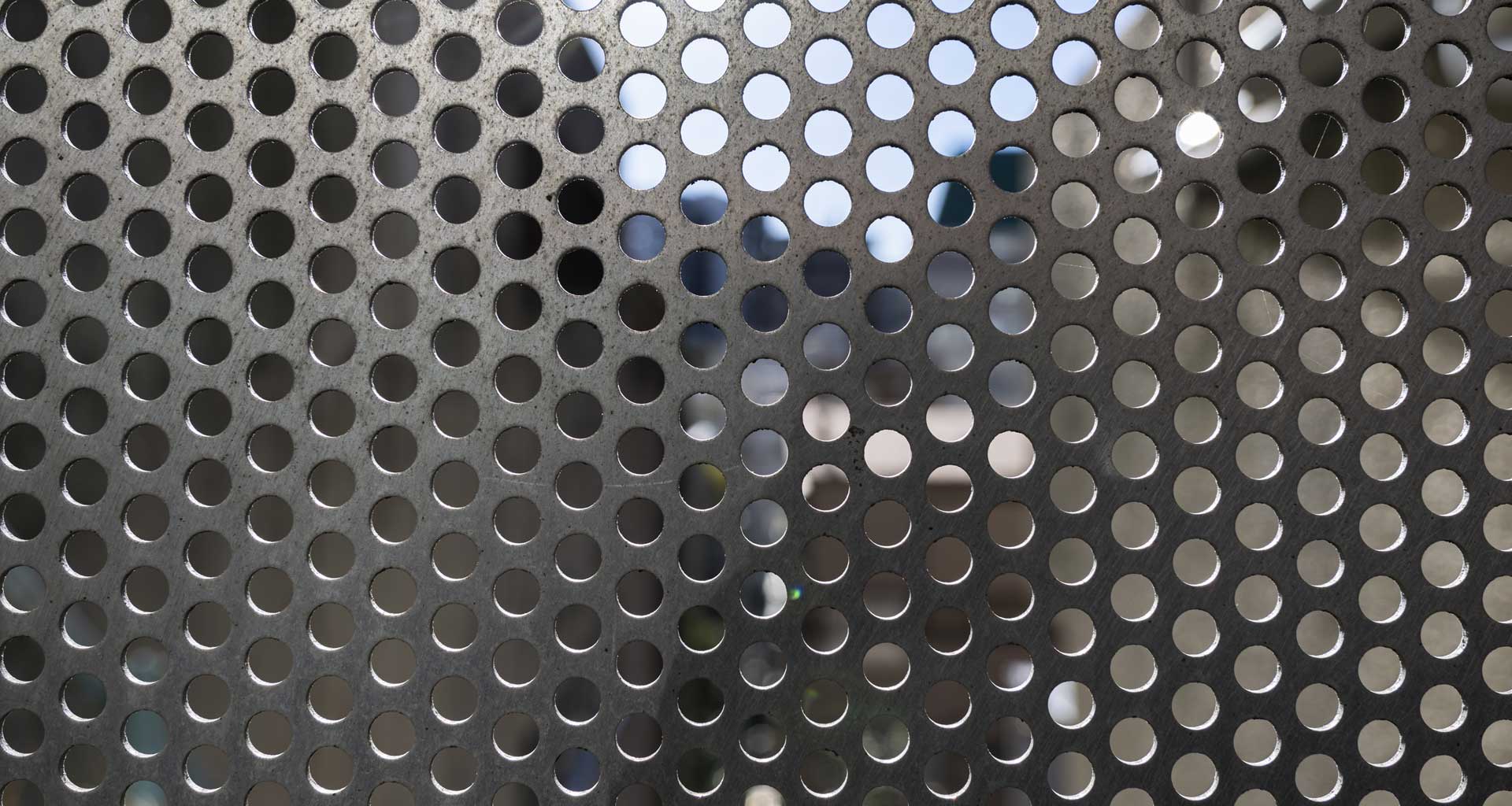
We configure round, slotted, square, and hexagonal perforations. A 60-degree staggered round hole pattern is strongly recommended for over 85% of structural filtration duties. This arrangement distributes mechanical shear planes diagonally, maximizing the yield strength of the remaining metal ligaments. Straight pitch perforations are typically reserved for architectural screens, uniform acoustic silencers, and specialized chemical spargers where direct visual alignment and laminar cross-flow are specified by system designers.
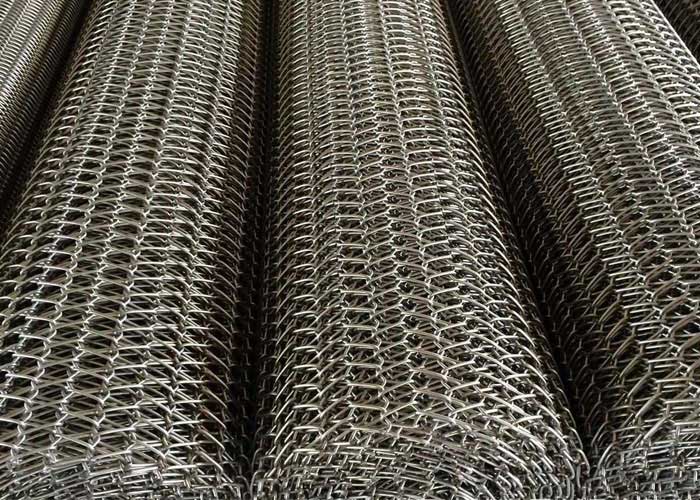
Material selection defines operating life. SS 304/304L is the cost-effective standard for industrial ventilation, automotive exhausts, and general hydraulic oil systems. SS 316/316L, fortified with 2-3% molybdenum, delivers superior pitting resistance in marine, pharmaceutical API, and mildly acidic services. For sour gas (H2S), high-chloride desalination, and aggressive geothermal brine, we fabricate pipes in Inconel 625, Hastelloy C-276, and Monel 400, ensuring zero stress-corrosion cracking across decades of deployment.
Industrial procurement is undergoing a paradigm shift driven by digital supply-chain transparency, decarbonization mandates, and severe environmental operating conditions. Here is how advanced manufacturers are responding.
Modern EPC contractors and multi-site industrial operators no longer evaluate perforated pipes on initial unit price alone. Premature filter core collapse or localized corrosion during continuous chemical synthesis causes unbudgeted plant shutdowns costing hundreds of thousands of dollars per day. Procurement trends increasingly favor fully certified, burr-free SS 316L or Duplex 2205 tubing that extends maintenance cycles from months to years, dramatically reducing life-cycle replacement expenditure.
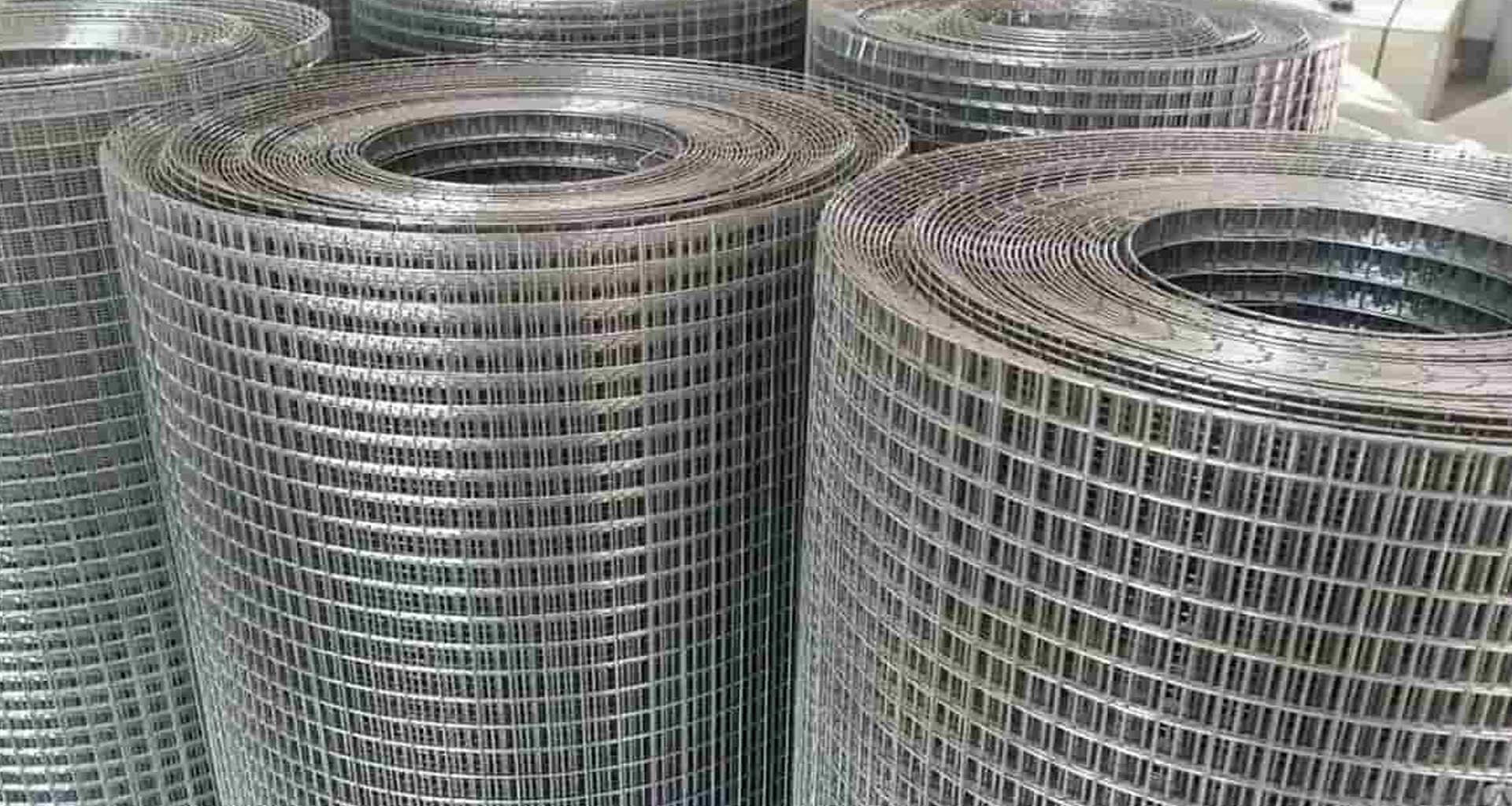
A growing trend in advanced filtration is the convergence of coarse perforated metal tubes with fine industrial wire mesh and metallic foam layers. Rather than purchasing perforated structural supports and woven mesh sleeves separately, procurement managers now source turnkey composite tubes. Ambani Metals offers diffusion-bonded, sintered composite filter pipes that combine outer mechanical impact resistance with precise sub-10-micron retention integrity.
Procurement teams utilizing automated vendor screening protocols demand instantaneous digital verification. This includes computerized dimensional CMM inspection reports, automated weld eddy-current test reports, and mill test certs conforming to EN 10204 Type 3.1. Fabricators failing to provide complete heat-number-to-pipe traceability are rapidly being filtered out of Tier-1 supply chains across North America, Europe, and the GCC.
Comprehensive engineering reference comparing seam construction, perforation geometry, pressure handling, and industrial use cases.
| Tube Configuration | Diameter Range (OD) | Wall Thickness | Open Area (%) | Burst & Collapse Rating | Primary Industrial Application |
|---|---|---|---|---|---|
| Spiral Welded Perforated Pipe | 50 mm to 650 mm (2" to 26") | 1.5 mm to 6.0 mm | 15% – 45% | Extreme (Up to 450 bar collapse) | Oil & gas sand screens, deep-well water casing, pulp slurry filtration |
| Straight Seam Welded Tube | 16 mm to 219 mm (5/8" to 8.6") | 0.8 mm to 3.5 mm | 20% – 58% | High to Very High | Hydraulic oil filters, gas turbine silencers, chemical catalyst retention baskets |
| Spiral Lock-Seam Perforated Tube | 38 mm to 300 mm (1.5" to 12") | 0.5 mm to 1.6 mm | 25% – 60% | Moderate (Low internal backpressure) | HVAC acoustic attenuation, automotive muffler cores, secondary dust collector cores |
| Slotted / Bridge Slot Perforated Pipe | 60 mm to 400 mm (2.3" to 16") | 2.0 mm to 5.0 mm | 8% – 25% | Very High (Resists gravel pack load) | Underground dewatering, water well drilling, agricultural irrigation strainers |
| Wire Mesh Reinforced Filter Tube | 20 mm to 350 mm (3/4" to 14") | 1.0 mm to 4.0 mm core | Calculated per micron | Extreme (Supported internal core) | Polymer melt filtration, pharmaceutical sterile air filtration, aerospace hydraulic skids |
All pipes are manufactured to project data sheets. Need custom hole spacing, custom unperforated end margins, or specialized end connections? Send an Inquiry to speak directly with our senior application engineers.
Serving world-class OEMs and industrial operators across 20+ countries since 1998 with unwavering precision, rapid turnaround, and audited quality systems.
Direct sourcing from top-tier primary steel mills (such as Jindal). Complete EN 10204 3.1 Mill Test Certificates with strict verification of chemical composition and physical properties on every heat number.
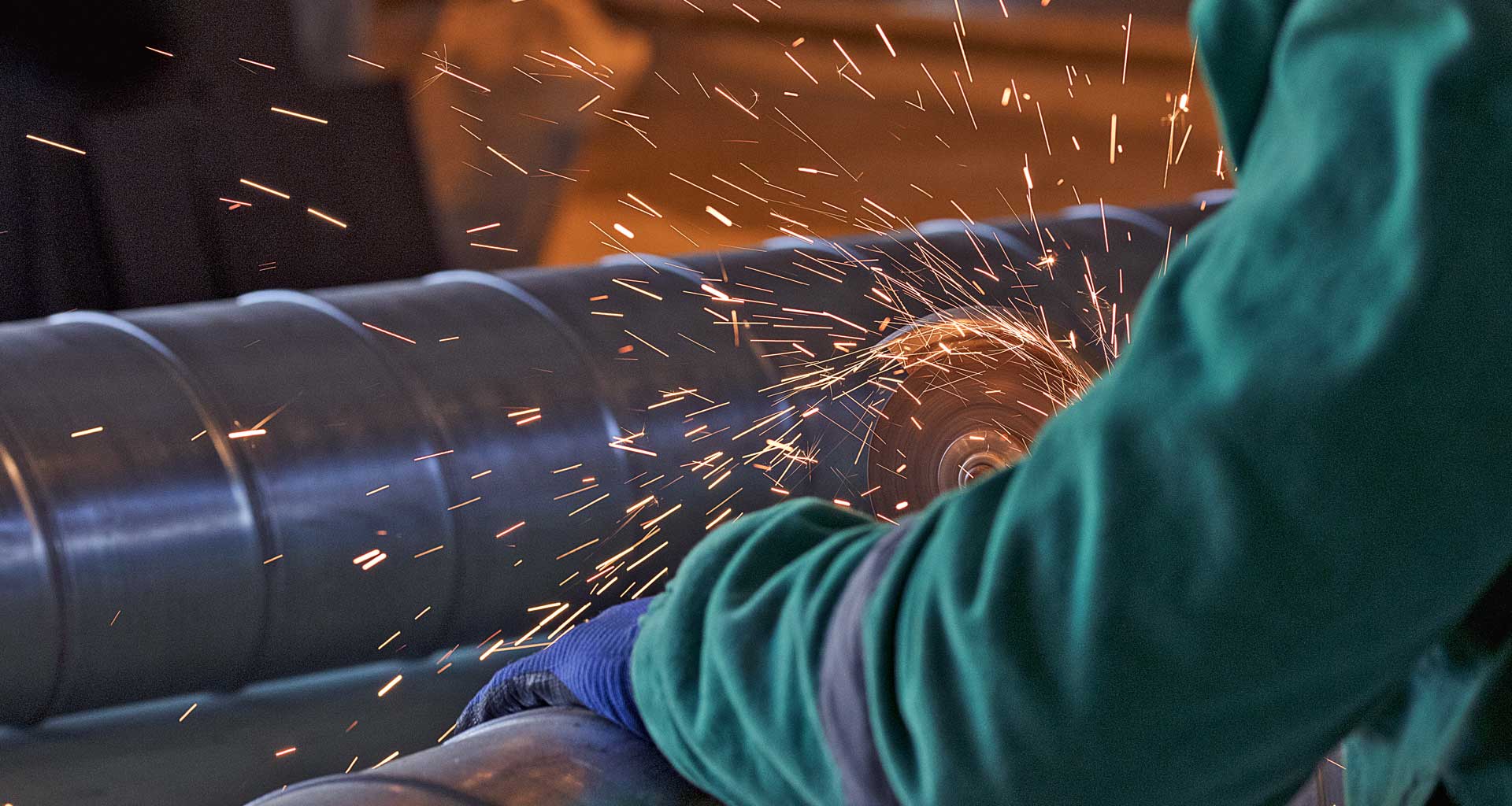
From high-speed CNC punching presses and automated spiral seam welding systems to hydraulic sizing, deburring, pickling, and electropolishing—complete fabrication occurs under one roof to guarantee precision.
Every perforated pipe undergoes rigorous QA/QC inspection, including dimensional roundness checks, weld penetration non-destructive testing (NDT), hydrostatic pressure testing, and third-party inspection (TUV, BV, SGS).
Experienced global logistics serving the USA, UAE, Saudi Arabia, Australia, Canada, and Europe. Solid ISPM-15 heat-treated wooden crates, anti-corrosion VCI wrapping, and precise tagging eliminate transport damage.
Global procurement teams streamline vendor management by sourcing complementary precision parts, sheets, and mass transfer components directly from Ambani Metals.
Precision punched stainless steel, carbon steel, and alloy plates with micro to macro apertures for industrial screening, vibrating sieves, architectural panels, and acoustic enclosures.
Woven wire cloth in plain, twill, and Dutch weaves manufactured in SS 304, SS 316, Hastelloy, Monel, Inconel, and Nickel 200 for high-efficiency liquid-solid filtration.
Engineered sieve, fixed valve, and bubble cap column trays paired with structured and random packings for petrochemical, refinery, and pharmaceutical chemical separation.
Authoritative technical answers to the most common queries searched by mechanical engineers and international procurement managers.
The primary difference lies in radial load distribution and hydraulic collapse resistance. Spiral welded perforated pipes feature a continuous helical seam winding around the tube cylinder. This helical geometry breaks linear stress concentrations, distributing external hydrostatic pressure and internal bursting force across 360 degrees. As a result, spiral welded pipes withstand significantly higher differential collapse pressures, making them the industry standard for downhole oil/gas casing, deep water intake screens, and high-viscosity industrial filtration. Straight seam perforated tubes are longitudinally formed and welded; they provide superior roundness, concentricity, and dimensional consistency, which is ideal for hydraulic filter cartridges, engine mufflers, and slip-fit modular assemblies. Spiral lock-seam tubes are mechanically crimped without thermal welding, creating zero heat-affected zones and pristine interior surfaces suited for HVAC acoustic silencers, architectural columns, and lightweight secondary filter cores.
Open area percentage represents the ratio of punched perforation area to the total gross surface area of the pipe. Balancing this ratio is the central engineering challenge in perforated tube design. A higher open area (e.g., 40% to 55%) maximizes free flow, reducing fluid approach velocity and minimizing system pressure drop (ΔP). This conserves pump energy and mitigates particulate blinding. However, as open area increases, the structural metal ligament between adjacent holes narrows, significantly diminishing the pipe's resistance to mechanical deformation and buckling. Conversely, an open area below 20% provides immense hoop strength but increases fluid friction and restricts flow throughput. Ambani Metals assists clients with finite element calculations to determine the precise equilibrium of open area, wall thickness, and hole pitch required for their design pressure.
A 60-degree staggered round hole pattern provides superior mechanical strength and hydraulic distribution compared to straight pitch or 45-degree patterns. In a 60-degree configuration, holes are positioned at the vertices of equilateral triangles. This staggered layout prevents continuous longitudinal shear paths along the pipe wall, effectively distributing axial and torsional stresses across the curved surface. Straight pitch perforations form continuous lines of solid metal and open voids along the pipe axis, creating localized stress risers susceptible to bending fatigue. Unless uniform linear fluid spray or direct visual architectural alignment is required, 60-degree staggered perforations should always be specified for structural filtration cores.
Yes, absolutely. Ambani Metals manufactures perforated pipes with fully customizable solid (blank) margins at one or both ends, as well as intermediate unperforated bands along the length of the pipe. Solid margins are critical for secondary fabrication operations, including automated orbital welding to solid pipe spools, rolling of grooved ends for Victaulic couplings, single-point CNC threading (NPT, BSP, or API threads), or attaching slip-on/weld-neck flanges. Solid margins also provide smooth, unyielding surfaces for elastomeric O-ring compression seals within cartridge filter housings, preventing fluid bypass.
Perforating tube stock or punching sheet before rolling inherently creates micro-burrs along the punch breakout edge. If left untreated, these burrs can dislodge into fluid streams, puncture delicate outer filter mesh, or cause flow turbulence. We eliminate burrs through high-speed mechanical abrasive rotary brushing, internal tube honing, and vibratory deburring. For demanding sanitary, pharmaceutical, or semiconductor duties, we provide electropolishing and chemical pickling/passivation (ASTM A380/A967), which removes all sharp micro-burrs and restores the protective chromium oxide layer. Pipe roundness is maintained using multi-roll hydraulic re-sizing equipment, holding outer diameter tolerances within ±0.15 mm across lengths up to 6 meters.
Ambani Metals adheres to stringent international quality governance. Every export order is supplied with a comprehensive documentation dossier, including EN 10204 Type 3.1 Inspection Certificates with heat-number-traceable raw material chemical assays and tensile test values. We also supply calibrated CMM dimensional inspection reports, weld inspection records (including radiographic X-ray or liquid penetrant testing upon request), hydrostatic burst testing certificates, and Positive Material Identification (PMI) spectrometer logs. For overseas shipping, products are packed in ISPM-15 compliant, heat-treated wooden crates with internal waterproof VCI lining.
Review your process parameters and technical drawings with our metallurgical engineering team: +91-9930498858 · [email protected]