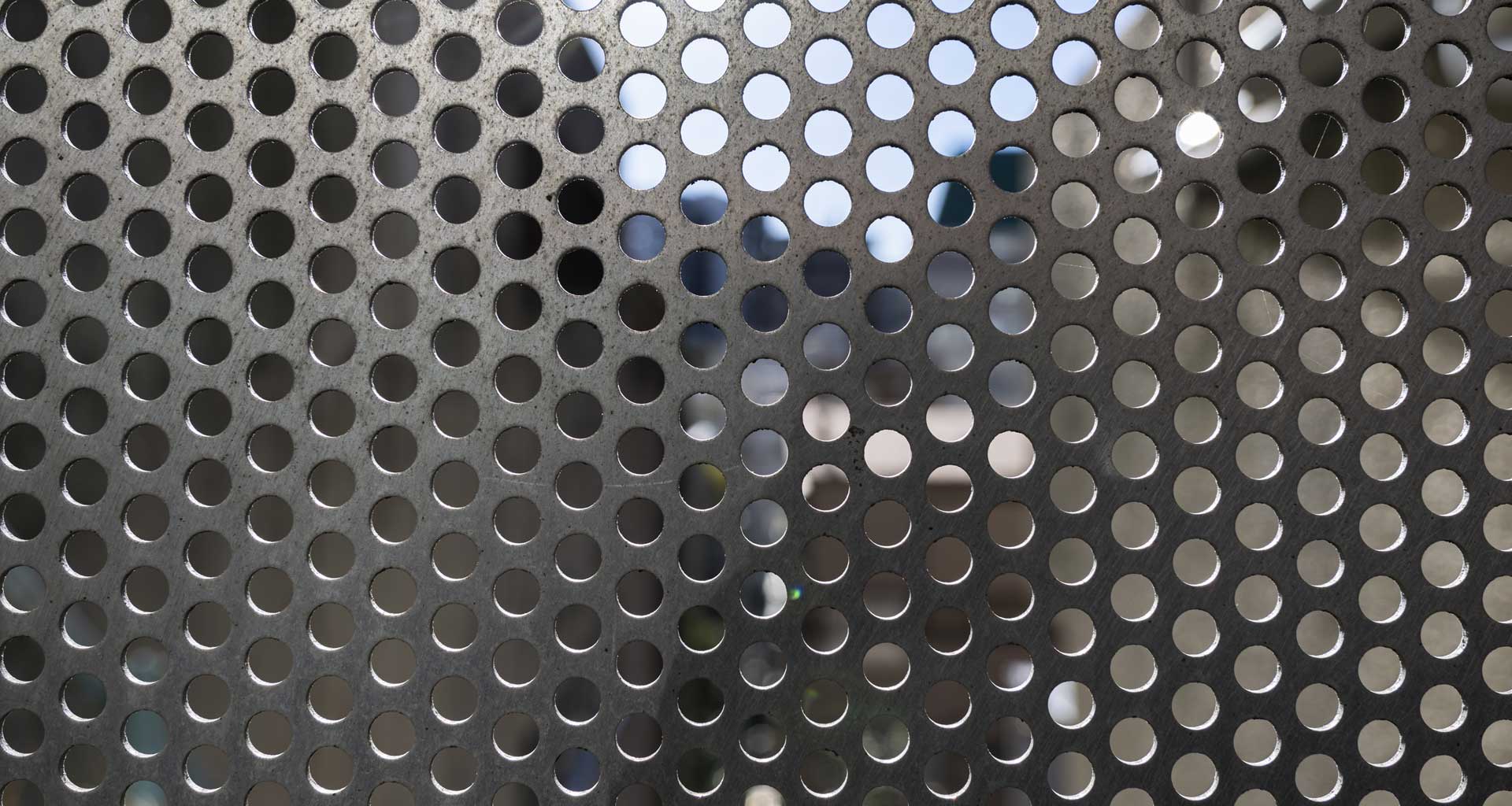
60° Staggered Round Hole Sheets
The industry benchmark for uniform load distribution, structural integrity, and maximized open area. Ideal for filtration drums, fluid separators, and acoustic attenuation.

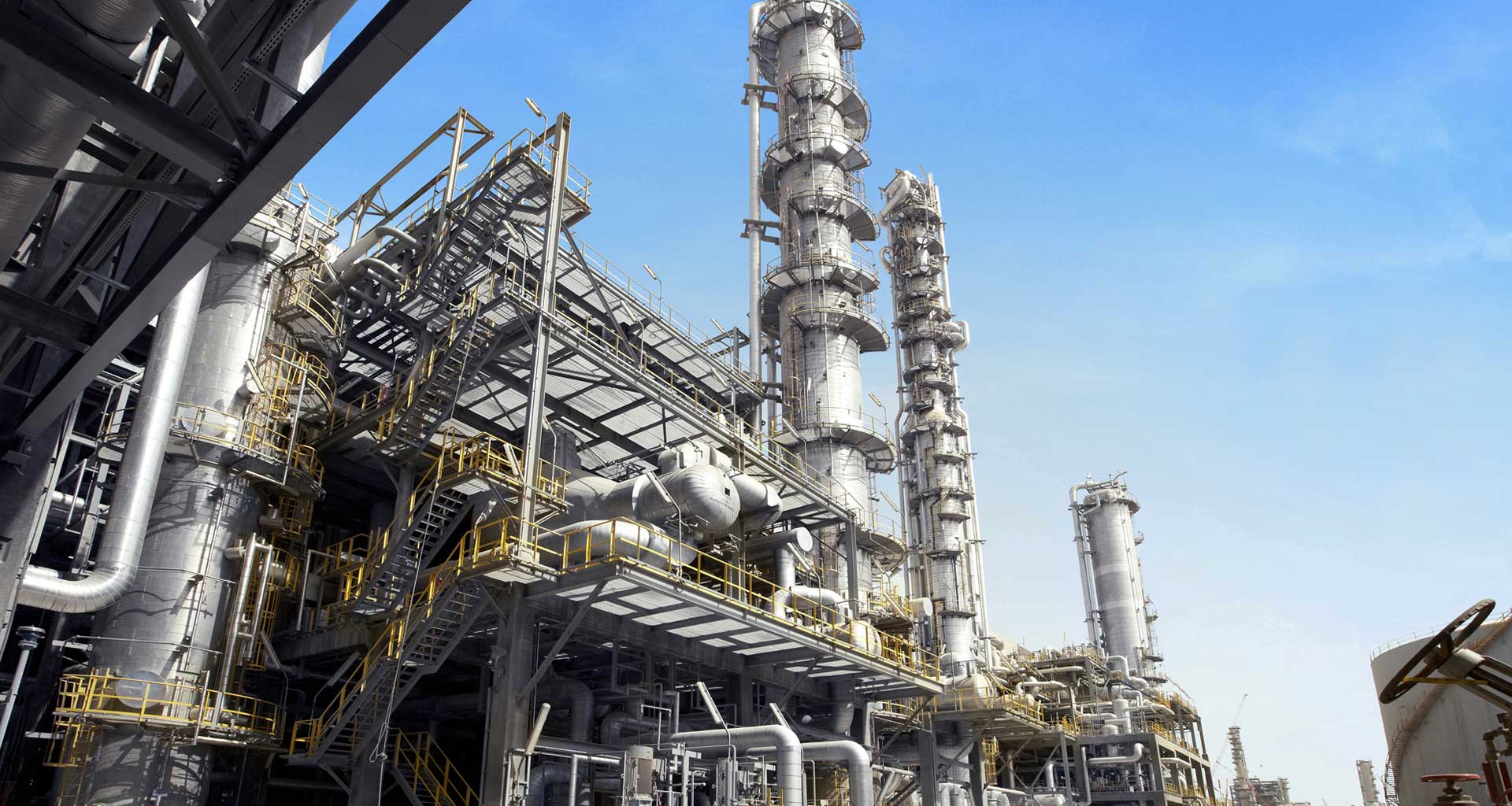
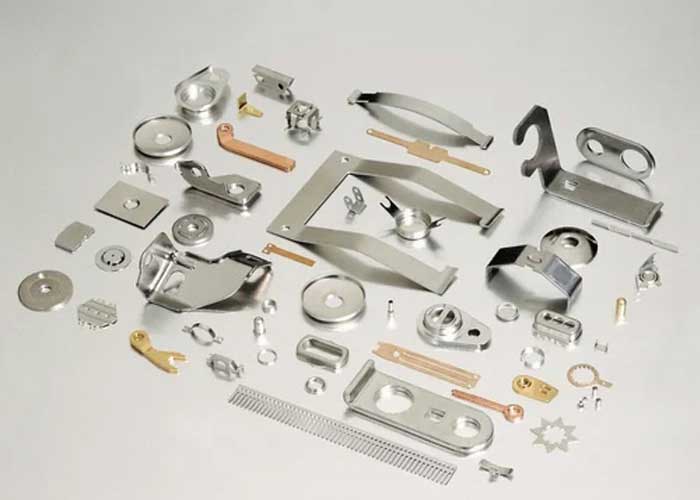
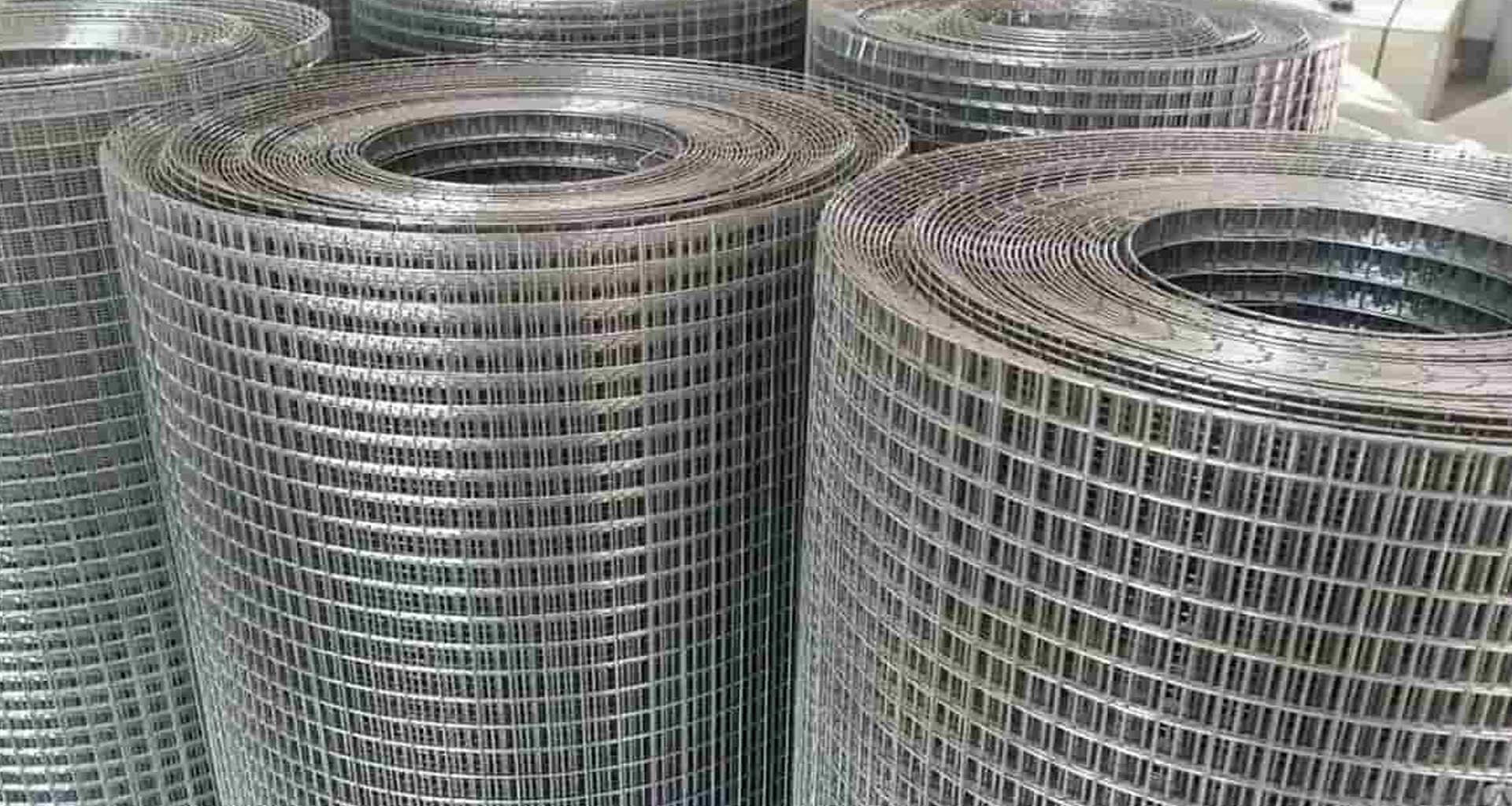
In modern industrial screening, thermal fluid dynamics, petrochemical mass transfer, and high-performance architectural building envelopes, perforated metal sheets serve as a critical functional substrate rather than a mere commodity. Specifying perforation parameters requires resolving a complex mechanical trade-off: maximizing open area percentage (% OA) for optimal flow coefficient and fluid throughput, while preserving yield strength, flatness tolerances, and fatigue resistance under cyclic pressure variations. Ambani Metals delivers comprehensive metallurgy, CNC gang punching, and stress-relieved roller leveling to global OEMs and EPC contractors across 20+ countries. Every custom run is engineered to precise mechanical limits, eliminating thermal camber and micro-burr distortion across stainless steel, nickel alloys, and carbon steels.
The industry benchmark for uniform load distribution, structural integrity, and maximized open area. Ideal for filtration drums, fluid separators, and acoustic attenuation.
Precision seam-welded and spirally formed perforated tubes designed to withstand extreme collapse pressure in downstream refining and subsea intake baskets.
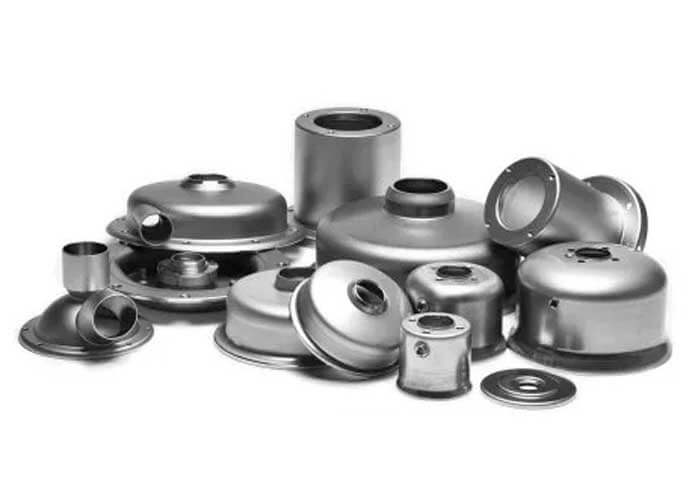
Deep-drawn, flanged, and rolled perforated blanks produced with custom margins for easy housing integration without edge deformation.
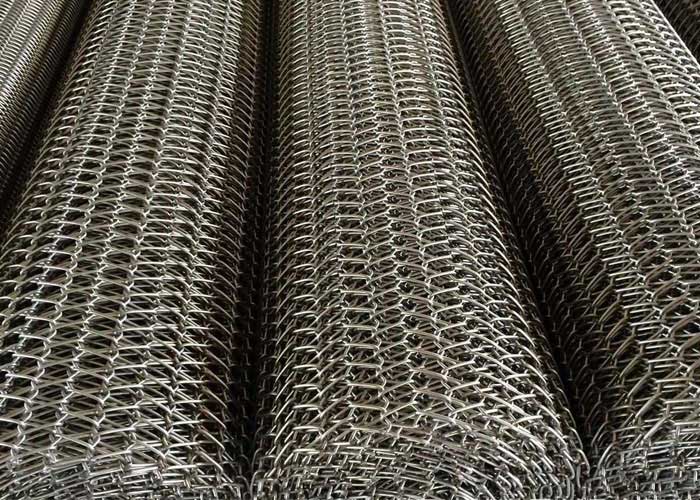
Anodized aluminum and passivated stainless steel façade screens engineered for daylight harvesting, wind-load dissipation, and dynamic aesthetic exterior cladding.
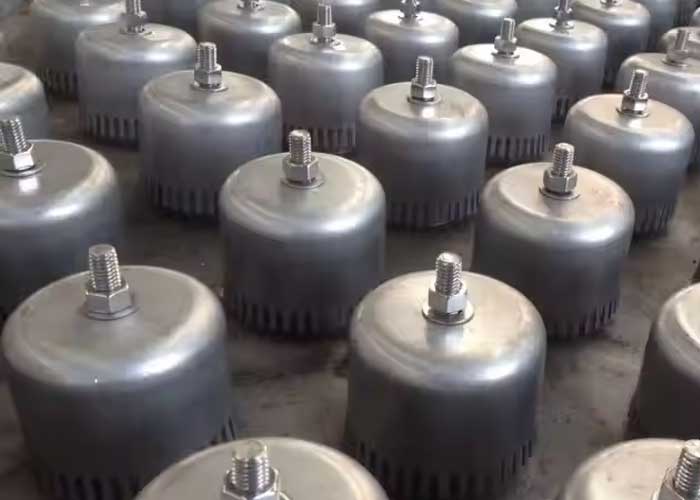
Heavy-gauge perforated plates manufactured strictly to process hydraulic data sheets, calibrated for precise vapor velocity, liquid weeping prevention, and turndown stability.
Years of Metallurgy Mastery
Active Industrial Buyers
Countries Served Worldwide
Standard & Custom Dies
The performance of perforated metal sheets depends on selecting the right hole pattern, center pitch, margin design, and base alloy. Below is our engineering guide to matching hole geometries with operational fluid mechanics, structural loads, and acoustic specifications.
The standard for over 75% of industrial installations. The equilateral triangle configuration distributes shear stress uniformly across the web bars, delivering superior strength-to-weight ratios and minimizing internal blank warping during secondary rolling.
Typical Applications: Liquid/solid filtration strainers, centrifuge screens, aggregate sorting, and structural speaker grilles.
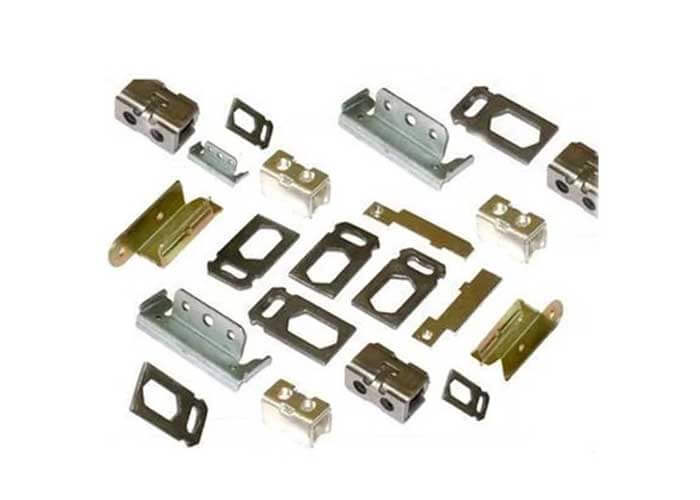
Featuring rounded or square ends, slotted patterns provide non-blinding properties when screening moist, fibrous, or granular materials. Flow velocity is accelerated along the major axis, minimizing clogging while sustaining higher throughput volume than equivalent round dies.
Typical Applications: Grain drying, sugar cane de-watering screens, recycling trommels, and air diffuser plenums.
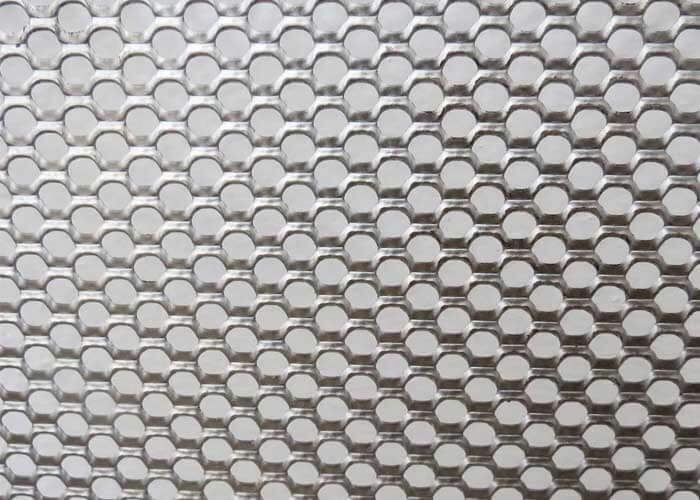
Offering maximum open area (up to 79–82%), hexagonal honeycomb patterns ensure laminar fluid flow and high acoustic transparency with minimal pressure loss across high-velocity HVAC ducts and aerospace enclosures.
Typical Applications: Turbine sound enclosures, architectural solar shading, EMI shielding, and catalyst bed retention.
Perforation introduces intense plastic deformation. Selecting the right alloy requires balancing yield strength against punching tonnage, punch wear rates, and thermal conductivity. Reference our production parameters below:
| Base Alloy Grade | Min Hole:Thickness Ratio (D:T) | Standard Thickness Range | Corrosion & Thermal Resistance | Post-Perforation Leveling Method |
|---|---|---|---|---|
| Austenitic Stainless Steel (SS 304 / 304L) | 1.1 : 1.0 (Work hardens rapidly) | 0.4 mm to 12.0 mm | Excellent general resistance; service temp up to 800°C | 19-Roll Hydraulic Leveler + Tension Decoil |
| Marine Grade Molybdenum SS (SS 316 / 316L) | 1.2 : 1.0 (Higher shear strength) | 0.5 mm to 14.0 mm | Superior pitting resistance in chlorides (PREN ~23–25) | Multi-Stage Roller Leveling + ASTM A380 Passivation |
| Duplex Stainless Steel (2205 / UNS S32205) | 1.4 : 1.0 (High yield stress >450 MPa) | 1.0 mm to 8.0 mm | Outstanding stress corrosion cracking & erosion resistance | Heavy-duty hydraulic flattening press with pre-lubrication |
| Nickel Alloys (Hastelloy C-276, Monel 400) | 1.5 : 1.0 (Extreme shear toughness) | 0.5 mm to 6.0 mm | Hydrochloric acid, sour gas (H2S), brine & wet chlorine | Slow-stroke mechanical press with carbide punch tooling |
| Structural Carbon Steel (ASTM A36, Q235) | 1.0 : 1.0 (High ductile elongation) | 0.5 mm to 16.0 mm | Standard atmospheric; requires galvanizing/powder coat | Continuous in-line roll leveling |
| Architectural Aluminum (5052-H32, 6061-T6) | 0.9 : 1.0 (Clean shear fracture) | 0.8 mm to 6.0 mm | Lightweight, atmospheric resistance, anodizing ready | Soft-roller non-marking leveling |
Machinability Insight: Violating the 1:1 rule of thumb (punching a hole diameter smaller than sheet thickness) creates severe compressive stress, leading to punch tool failure and micro-cracking across the web bars. For ultra-fine aperture filtration, our engineering team advises laser micro-machining or photo-chemical etching.
Procurement teams at international EPCs, manufacturing plants, and original equipment manufacturers face shifting supply chain dynamics. Below are the key engineering and sourcing trends defining perforated metal procurement over the coming decade.
Global fabricators are moving away from stock 4x8 ft or 1x2 m sheets to avoid trimming scrap, unperforated edge waste, and off-cut disposal costs. Modern supply contracts demand custom, near-net-shape perforated blanks with pre-engineered bolt holes, notched corners, and precise mounting tabs cut via automated fiber laser before shipment.
With the implementation of the European Carbon Border Adjustment Mechanism (CBAM) and corporate ESG goals across North America, global tier-one buyers now demand environmental product declarations (EPDs) and documented emissions data for raw steel coils, alongside recycled scrap content declarations for SS 304 and SS 316.
In structural architecture, perforated metal panels are evolving beyond cladding into multi-functional building envelopes. High-performance facades combine solar heat gain reduction (shading coefficients below 0.35), natural ventilation, daylight redirection, and targeted sound absorption, helping projects earn LEED and BREEAM certifications.
Perforating tough alloys while preserving panel flatness requires advanced tooling and process controls. Ambani Metals continuously upgrades its manufacturing methods to meet tight dimensional and mechanical tolerances.
Our 250-to-500-ton wide-ram mechanical perforating presses punch complete hole rows across sheets up to 1500 mm wide in a single stroke, operating at up to 300 strokes per minute. This gang-punching method ensures pitch uniformity and reduces per-unit costs on high-volume runs compared to single-head turret punches.
Punching creates compressive stresses on the sheet surface that cause warping, curling, and edge wave. Our 21-roll hydraulic precision levelers subject the perforated strip to controlled alternating bends, neutralizing internal stresses and achieving flatness tolerances tighter than standard mill limits.
All punched blanks undergo belt deburring to eliminate rough edges and minimize burr height to under 10% of sheet thickness. Stainless steel components then pass through an automated pickling and citric/nitric acid passivation line to restore the passive chromium oxide film and prevent pitting corrosion in service.
For more than 25 years, procurement managers, plant superintendents, and EPC buyers across the USA, the Middle East, Australia, and Europe have relied on Ambani Metals for dependable quality, responsive communication, and comprehensive documentation.
Our flat metal stock is sourced directly from certified primary mills (such as Jindal Stainless). Every batch is tracked by heat number and accompanied by an EN 10204 Type 3.1 Material Test Certificate and third-party PMI testing.
From custom CNC punch-and-die production to rolling, shearing, flanging, and robotic seam welding, our integrated manufacturing lines keep production under one roof, reducing lead times and protecting project schedules.
Every production run undergoes strict dimensional checks, hole pitch verification using optical comparators, burr height measurements, and flatness testing. Third-party inspections (SGS, TUV, Bureau Veritas, Lloyd's) are readily arranged.
Export orders are packed in heavy-duty wooden cases lined with waterproof VCI paper and secured with steel strapping to protect corners and maintain sheet flatness throughout sea, air, and multimodal transport.
Answers to technical, operational, and commercial questions commonly raised during perforated metal procurement.
For standard 60-degree staggered round holes—the most common and structurally balanced pattern—the formula is:
% Open Area = (D² × 90.69) / C²
where D is the hole diameter and C is the center-to-center pitch distance. For a square or straight pitch pattern, use:
% Open Area = (D² × 78.54) / (C1 × C2).
Selecting the right open area requires balancing hydraulic throughput with the mechanical strength of the remaining metal webs.
As an engineering guideline, the hole diameter (D) should be equal to or greater than the material thickness (T)—a ratio of at least 1:1 for mild steel and aluminum. For work-hardening alloys like austenitic stainless steel (SS 304, SS 316) or Hastelloy, a minimum ratio of 1.2:1 to 1.5:1 is advised. Attempting to punch holes smaller than sheet thickness subjects tooling to extreme compressive stress, leading to premature shear, burrs, and punch failure.
Perforating applies intense localized mechanical force, stretching the top surface of the metal and introducing residual tensile and compressive stresses that can cause warping or edge wave. Ambani Metals runs all perforated sheets through multi-roll hydraulic precision levelers (featuring 17 to 23 high-precision rolls) right after punching. This process equalizes internal stresses and guarantees panel flatness within ASTM A480 and EN 10029 standards.
Safe margins leave an unperforated border (typically 10 mm to 25 mm) along all edges. This reinforces panel stiffness, prevents edge deformation, and provides clean mounting surfaces for framing, welding, or bolting. In contrast, perforated-to-edge or marginless panels have holes extending through the outer boundary. These require continuous indexing or secondary laser edge trimming, which increases production time and tooling setup costs.
Every export shipment from Ambani Metals includes full quality documentation: mill-traceable EN 10204 Type 3.1 Material Test Certificates (MTC), Positive Material Identification (PMI) chemical analysis sheets, dimensional inspection reports, and burr height measurements (guaranteed under 10% of sheet thickness). We also accommodate third-party pre-shipment inspections by agencies such as SGS, Bureau Veritas, TUV, or Lloyd's upon request.
To receive an accurate and timely quote, please specify: base material grade (e.g., SS 304L, SS 316L, Carbon Steel), sheet thickness, overall dimensions (width × length), hole shape and diameter, center-to-center pitch, pattern layout (60° staggered, 45° staggered, or straight), required unperforated margins, surface finish (mill, pickled, passivated, powder-coated), quantity, and delivery destination.
Consult with our engineering team: +91-9930498858 · [email protected]