- +91-9930498858Call / WhatsApp
- [email protected]Email Us
Explore our export-certified mass transfer apparatus, structured packing, retention grids, and sheet fabrication components engineered to tight ASME/DIN tolerances.
A comprehensive review of structural loading parameters, open-area ratios, pressure containment, and multi-tier gas redistribution efficiency in modern chemical towers.
Traditional flat perforated plates produce intense vapor-liquid competition at the bottom of the packed bed, leading to premature flooding. Modern gas-injection support grids utilize separate passages for ascending gas and draining liquid, preserving hydraulic continuity even under 120% nominal volumetric surges.
Packing support grids bear not only the dry weight of structured or random packing rings (Pall Rings, Raschig Rings), but also liquid holdup, accumulated catalyst fines, and severe transient pressure drops during upset scenarios. Fabrications incorporate radial stiffener beams and mid-span ring supports rated beyond 15–40 kN/m².
Sustained reliability demands matching alloy properties to column chemistry. From workhorse austenitic stainless steels (SS304/304L, SS316/316L) to high-nickel superalloys such as Hastelloy C-276, Monel 400, and Inconel 625, components undergo intergranular corrosion assessments and passivation to resist severe chloride stress cracking.
| Grid Support Architecture | Effective Free Area (%) | Hydraulic Turndown | Maximum Mechanical Load | Ideal Application Domain |
|---|---|---|---|---|
| Beam-Type Gas Injection Grid | 100% – 125% of Column Area | 4:1 to 5:1 | Up to 50 kN/m² | Heavy liquid-load crude towers, sour water strippers, packed absorbers |
| Corrugated Structured Packing Grid | 85% – 95% of Column Area | 3:1 to 4:1 | Up to 25 kN/m² | Vacuum distillation, pharmaceutical fines, high vacuum bio-refineries |
| Flat Multi-Piece Perforated Bar Grid | 60% – 75% of Column Area | 2:1 to 2.5:1 | Up to 15 kN/m² | Light hydrocarbon stripping, small-diameter skid units, batch scrubbers |
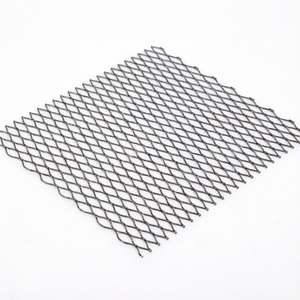
| Expanded Metal Catalyst Support Screen | 70% – 85% of Column Area | 3:1 | Up to 35 kN/m² (reinforced) | Fixed-bed hydrogenation reactors, catalytic distillation column beds |
Strategic purchasing managers and plant engineers are adapting to tighter environmental directives, fast turnaround shutdowns, and accelerated supply chain verification.
Refineries and petrochemical operators are actively converting traditional trayed columns to high-performance structured packing and low-hydraulic-resistance support grids. By dropping column delta-P, reboiler energy expenditure is curtailed by 14% to 22%, directly assisting industrial carbon-reduction goals while unlocking extra throughput.
Unscheduled outages cost upwards of $200,000 per operational day. Procurement contracts now mandate that all support grids, hold-down plates, and redistributors be engineered into segmented beams capable of passage through standard 18" to 24" (DN450 to DN600) vessel manways, accompanied by clamp-on, weldless interlocking assemblies.
Global EPCs demand comprehensive EN 10204 3.1 certification covering Positive Material Identification (PMI), grain boundaries, and ultrasonic non-destructive testing (NDT). Our procurement integration ensures complete origin verification from raw sheet coils down to laser-cut beam segments, mitigating counterfeit alloy liabilities.
Combining 25+ years of internal column fabrication excellence with fully integrated sheet metal stamping, laser profiling, and global logistics dispatch.
High-power CNC fiber lasers, deep-draw hydraulic stamping presses, and robotic welding lines allow us to maintain 100% internal control over complex geometries without subcontractor delays.
All raw sheets, coils, and structural angle bars are secured directly from certified primary mills. Every batch ships with fully traceable EN 10204 3.1 inspection certificates and verified chemical assays.
Our veteran design division audits client data sheets, vapor-liquid loading curves, foaming propensities, and turndown envelopes before production to prevent costly revamps.
Serving over 20 nations across North America, the Middle East, Europe, and Asia-Pacific with heavy-duty fumigated wooden crates, tagged sub-assemblies, and seamless customs documentation.
Essential considerations for sourcing managers, piping designers, and turnaround contractors.
Send us your process data sheets, vessel drawings, or revamping requirements. Our technical specialists will respond within 24 hours with comprehensive hydraulic reviews and direct competitive estimates.
Send an Inquiry