
- +91-9930498858Call / WhatsApp
- [email protected]Email Us
Precision-stamped random packings, structured gauze, demisting meshes, and sheet metal fabrications built to international DIN, EN, and ASME metallurgical standards.
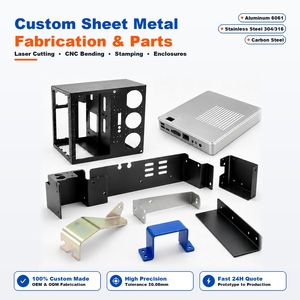
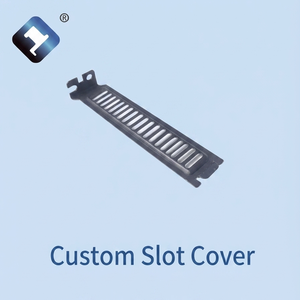
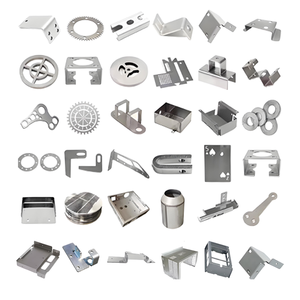
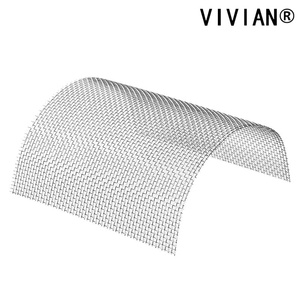
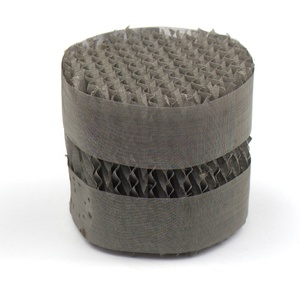
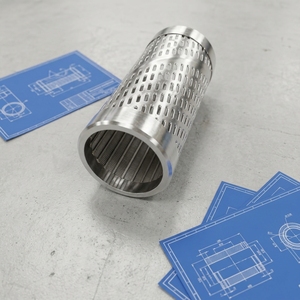
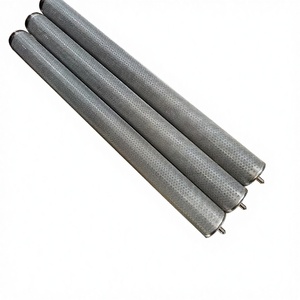
A comprehensive examination of hydraulic parameters, alloy thermodynamics, and random packing optimization in Polish petrochemical synthesis, syngas scrubbing, and biogas-to-biomethane revamps.
In process engineering, column internals govern the boundary between thermodynamic feasibility and operational profitability. Random packing—characterized by discrete, geometrically optimized mechanical units randomly distributed within a vertical column shell—provides the critical interfacial area required for vapor-liquid mass transfer, thermal distillation, acid gas absorption, and chemical stripping. For engineering procurement and construction (EPC) contractors, plant maintenance directors, and technical managers operating within Poland's dynamic chemical hubs—including the massive multi-refinery complexes in Płock, Gdańsk, Kędzierzyn-Koźle, Puławy, and Tarnów—the selection of random packing is an exacting science governed by hydraulic capacities, fouling resistance, mechanical crush strength, and alloy corrosion durability.
Operating under stringent European Union environmental directives and the RePowerEU framework, Polish industrial facilities face increasing pressure to modernize legacy columns, expand plant capacity, and decarbonize synthesis gas trains. Ambani Metals delivers advanced mass transfer solutions built upon more than 25 years of metallurgical engineering experience. By supplying directly from an integrated stamping, deep drawing, and wire weaving manufacturing hub, we provide Polish industrial clients with high-precision metallic random packings (Pall Rings, Saddle Rings, Cascade Mini Rings, Conjugate Rings, and Raschig Rings) crafted from traceable 1.4301 (SS304), 1.4404 (SS316L), 1.4541 (SS321), 1.4539 (904L), Hastelloy C276, and Monel 400.
When vapor ascends through a packed bed counter-current to descending liquid, mass transfer occurs across the micro-thin liquid films spread over the packing surfaces. The fundamental challenge in column sizing is maximizing the specific surface area (m²/m³) while maximizing bed voidage (%). Conventional first-generation Raschig rings provided surface area at the expense of an open interior, creating high vapor drag and prone stagnant liquid holdup that aggravated fouling in coking or polymerization services.
Modern third- and fourth-generation metallic random packings engineered by our technical manufacturing facility resolve these hydraulic limitations. By stamping internal fingers, bent curved vanes, and perforated windows along the cylinder walls, the vapor stream splits dynamically into micro-eddies, constantly disrupting the boundary layer. The key physical parameters governing our supply include:
| Packing Type | Available Materials (EN / AISI) | Specific Surface (m²/m³) | Void Fraction (%) | Target Industrial Services |
|---|---|---|---|---|
| Metal Pall Rings | 1.4301 (304), 1.4404 (316L), Carbon Steel | 110 – 350 | 95 – 97 | CO2 Absorbers, Refineries, Syngas Scrubbing |
| Metal Intalox / Saddle Rings | 1.4404 (316L), 1.4571 (316Ti), Duplex 2205 | 115 – 320 | 96 – 98 | Demethanizers, Acid Gas Treating, Vacuum Columns |
| Cascade Mini Rings (CMR) | SS316L, 904L, Alloy C276, Monel | 130 – 380 | 96 – 97.5 | Olefins Separation, Heavy Chemical Synthesis |
| Expanded Metal Structured Beds | 1.4301 (304), 1.4404 (316L), Aluminum | 250 – 500 | 97 – 98.5 | Pharmaceutical Fine Chemicals, Vacuum Distillation |
| V-Wire Support Screens | 304L, 316L, Hastelloy C22 | Non-clogging Grid | High Open Area | Bed Support Plates, Catalyst Retention, Demisters |
From the petrochemical hubs of Mazovia and Pomerania to the fertilizer, synthesis gas, and green biomethane plants across Silesia and Greater Poland.
High-throughput crude distillation, vacuum gas oil (VGO) fractionators, and catalytic cracking gas concentrations. Our SS316L Pall Rings and saddles offer high mechanical crush resistance under cyclic thermal stresses, minimizing fouling and unseating during refinery turnaround cycles.
Synthesis gas scrubbing, Benfield CO2 absorption columns, and amine regenerate towers. Requiring precision-stamped 1.4541 and 1.4404 stainless packings that resist hydrogen embrittlement, hot carbonate cracking, and aggressive amine degradation under continuous industrial load.
Rapid expansion of agricultural biogas upgrading plants utilizing pressurized water scrubbing or chemical amine absorption. Our lightweight stainless steel and aluminum packings optimize biomethane purity to >98% CH4 for grid injection, maximizing transfer kinetics with minimal compressor energy costs.
Exhaust gas cleaning towers, volatile organic compound (VOC) strippers, and municipal odor control facilities. Engineered random packings maximize gas-liquid contact time, neutralising hazardous chlorinated hydrocarbons and sulfur emissions within compact scrubbers.
Active Pharmaceutical Ingredient (API) separation columns, solvent recovery units, and fine chemical batch distillation. Supplied with mirror-finish, electropolished stainless steel and exotic nickel alloys conforming strictly to hygienic standards and FDA/EMA solvent purity guidelines.
Post-combustion CO2 capture facilities integrated with Polish thermal power generators and cement manufacturing kilns. Delivering advanced high-surface packings optimized for high-viscosity specialty amine solvents to reduce regeneration thermal penalties.
How the European Green Deal, energy security restructuring, and aging equipment modernization are transforming column packing specifications across Poland.
The Polish process manufacturing landscape is experiencing unprecedented capital reallocation. As Central Europe's largest industrial power outside Germany, Poland is actively recalibrating its petrochemical infrastructure under three macro drivers:
Poland's agricultural density makes it one of Europe's highest-potential markets for biomethane production. The transition from raw biogas power generation to biomethane injection into the Gaz-System national grid requires modern scrubbers and upgrading columns. In these installations, operating expenditures are heavily dominated by the electrical draw of circulation pumps and gas compressors. Specifying low-pressure-drop metallic Pall Rings and advanced saddle geometries reduces blower parasitic power consumption by up to 18% compared to traditional ceramic or plastic rings, while fully eliminating chemical embrittlement caused by trace siloxanes and H2S.
Major Polish enterprises—including entities formed from the consolidation around PKN Orlen, Grupa Azoty, and Anwil—are engaged in deep energy efficiency upgrades. Many distillation and stripping columns originally engineered in the 1970s and 1980s with valve trays or early-generation Raschig rings are being revamping to high-efficiency packed beds. This conversion expands capacity within existing column shells by up to 40% without requiring costly civil foundation replacements or pressure vessel recertification under the Polish Office of Technical Inspection (Urząd Dozoru Technicznego - UDT).
Supply chain shocks across Eastern Europe have heightened the focus of Polish plant managers on reliable, single-source manufacturing. Procurement teams have moved away from middleman trading agencies in favor of direct technical cooperation with integrated manufacturers who provide EN 10204 3.1 material test certificates, verified wall-thickness tolerances, and custom alloy supply capable of withstanding local coal-to-chemical synthesis syngas compositions.
Delivering heavy industrial excellence since 1998 with end-to-end tooling, stamping, deep drawing, and metallurgical verification.
Established in 1998, supplying mass transfer equipment, distillation trays, and wire mesh components across 20+ countries worldwide.
100% heat-traceable prime coils from Tier-1 mills. Comprehensive EN 10204 3.1 MTCs, positive material identification (PMI), and tensile testing.
In-house progressive stamping, multi-die deep drawing, and laser profiling ensure zero mechanical distortion across millions of packing units.
Seaworthy, fumigated timber crate packaging with anti-corrosion barrier wrapping. Direct multimodal shipping to Gdynia, Gdańsk, or overland to plant sites.
Addressing critical commercial, compliance, and technical questions regarding random packing imports into the Polish market.