- +91-9930498858Call / WhatsApp
- [email protected]Email Us
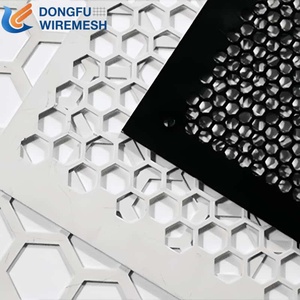
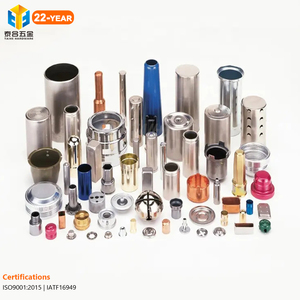
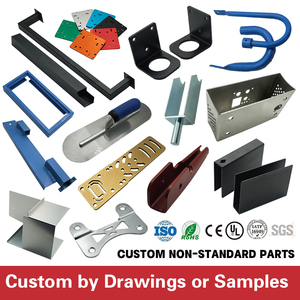
Precision-manufactured mass transfer internals, separation tower packing, perforated filtering substrates, and OEM stamped sheet components aligned with Latin American industrial specifications.
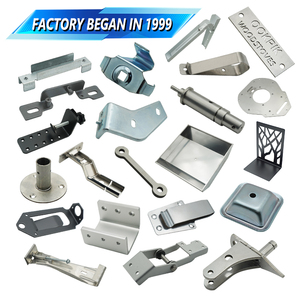
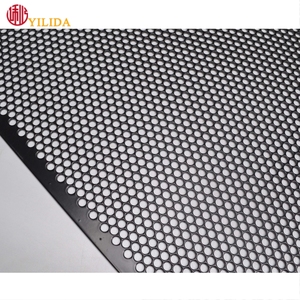
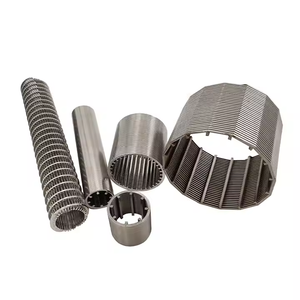
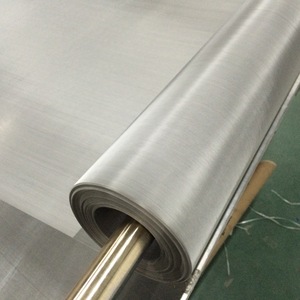
Evaluating operational parameters across the Greater Metropolitan Area (GAM), Cartago, Limón, and Guanacaste industrial hubs.
Costa Rica's macroeconomic push toward high-value advanced manufacturing, specialty biochemicals, renewable energy, and agro-industrial refining demands strict adherence to mass transfer operational standards. In mass transfer operations, the sieve plate (or sieve tray) remains one of the simplest, yet hydrodynamically demanding fractionation components. Characterized by uniform round perforations punched across metal plates through which ascending vapor contacts cross-flowing liquid, its operational reliability depends strictly on mechanical tolerances, hydraulic hole-pitch ratios, and anti-corrosive metallurgical integrity.
Within regions such as Guanacaste and the Central Valley, ethanol dehydrators and sugarcane alcohol rectifiers utilize cross-flow sieve trays in striping and rectifying columns. Operating under demanding wash conditions, these plates resist organic carboxylic acid pitting through AISI 304L/316L passivation while avoiding solids deposition through tailored fractional open areas (8% to 14%).
Costa Rica’s Free Trade Zones (Zonas Francas), including El Coyol and Cartago, lead in biomedical and pharmaceutical production. High-purity solvent purification towers and WFI (Water for Injection) fractional stills require precision electro-polished sieve plates featuring zero burrs, crevice-free welding, and full Ra < 0.4 µm internal finishes to maintain cGMP compliance.
Processing native botanicals, citrus derivatives, and tropical fruit concentrates demands sensitive temperature control. Vacuum fractional distillation columns equipped with micro-perforated sieve plates operate with minimal pressure drop per theoretical stage, preventing thermal degradation of volatile terpene compounds.
How decarbonization, energy efficiency mandates, and life science investments dictate modern column tray engineering.
Costa Rica's National Decarbonization Plan 2018–2050 has exerted direct structural pressure on heavy processing and chemical industries to curtail steam consumption and maximize thermal efficiency. For fractional distillation processes, reboiler energy expenditure directly correlates with column tray pressure drop. Consequently, revamping antiquated bubble cap setups or sub-optimized bubble plates with high-capacity, low-pressure-drop punched stainless steel sieve trays has become an industry standard across the country.
Furthermore, foreign direct investment (FDI) inflows into the pharmaceutical manufacturing sectors situated around Alajuela and Heredia require local engineering plants to purchase parts with comprehensive material verification. Process managers increasingly avoid generic hardware in favor of suppliers offering direct XRF PMI (Positive Material Identification) testing, documented hydraulic downcomer calculations, and traceable dual-certified 316/316L grades capable of resisting cleaning chemicals (CIP) cycles containing nitric and phosphoric sanitizers.
| Tray Parameter | Standard Sieve Plate | Fixed Valve Tray | Floating Valve Tray | Woven Packing Equivalent |
|---|---|---|---|---|
| Turndown Ratio | 2:1 (Ideal for steady-state feed) | 3:1 to 3.5:1 | Up to 5:1 (Flexible feeds) | > 5:1 (Wide operational range) |
| Pressure Drop (ΔP) | Low to Moderate (3–7 mbar/tray) | Moderate (4–8 mbar/tray) | Moderate (4–9 mbar/tray) | Extremely Low (0.3–1 mbar/stage) |
| Fouling Propensity | Low (Free draining, no joints) | Moderate | High (Risk of stuck valves) | High (Requires clean fluids) |
| Initial Capital Cost | Lowest (Economical punching) | Moderate | Higher (Moving components) | Highest Capital Investment |
| Costa Rica Suitability | Agro-distilleries, steady chemical synthesis | Demanding botanical extracts | Crude batch processing | High vacuum fine pharmaceutical APIs |
Essential considerations covering tariffs, maritime shipping via Puerto Caldera/Limón, metallurgy, and design certifications.
Orders are dispatched under CIF or CFR terms to either Puerto Limón (Caribbean coast) for transatlantic sailings or Puerto Caldera (Pacific coast), depending on vessel routing. Air cargo via Juan Santamaría International Airport (SJO) is utilized for rapid shutdown replacements and urgent prototype components.
Distillation sieve plates and tower internals typically fall under HS Code 8419.90 (Parts for machinery, plant or laboratory equipment for treatment of materials by temperature change) or HS Code 7326.90. Costa Rican DAI (Derechos Arancelarios a la Importación) ranges between 0% and 5% depending on Free Trade Zone exemptions.
All sieve trays for revamp projects are engineered with segmental panel construction. Maximum panel widths are calculated based on the vessel's internal manway diameter (typically 18" to 24" / 450mm to 600mm), permitting ease of internal personnel entry, bolted assembly, and downcomer alignment without hot work inside the vessel.
Due to elevated ambient humidity and coastal airborne chlorides in facilities near Puntarenas or Limón, stainless steel AISI 316L (with 2.0-2.5% Molybdenum) or Super Duplex UNS S32750 is recommended over standard AISI 304 to eliminate intergranular stress corrosion and pitting during idle plant periods.
Shipments include EN 10204 Type 3.1 Material Test Certificates (MTC) showing complete chemical and mechanical heat analysis, dimensional validation protocols, visual inspection records, seaworthy IPPC fumigated wooden crate verification, and Certificate of Origin (COO).
Weeping occurs when ascending vapor kinetic pressure fails to balance liquid head over the plate. Our engineering team conducts rigorous hydraulic analysis—determining precise hole pitch, weir height, and free area percentage to sustain high active-area froth generation within your expected operating envelope.
Over 25 years of specialized design, high-volume manufacturing, and dependable global export handling.
100% mill-sourced steel and exotic alloys with full batch heat-number traceability, compliant with ASTM, ASME, and DIN standards.
State-of-the-art multi-ton CNC punching lines, laser contouring, progressive deep drawing, and TIG robotic welding entirely in-house.
Every tray layout undergoes hydraulic loading verification (downcomer velocity, entrainment flood limit, dry & wet tray pressure drops).
Custom moisture-resistant barrier packing inside reinforced, phytosanitary treated crates engineered for long-haul maritime transport.
Connect with our technical design office. Submit your column internal drawings, process datasheets, or revamp specifications for immediate hydraulic assessment and competitive CIF Costa Rica pricing.
Contact Us