Top China Sheet Metal Stamping Supplier & Suppliers for the Ghana Market
Precision progressive stamping, deep drawn components, industrial enclosures, and perforated metal solutions engineered to withstand West Africa’s harsh tropical and industrial climates.
Export-Grade OEM & ODM Engineering
Recommended Sheet Metal & Stamped Solutions for Ghanaian Industry
As Ghana accelerates its industrialization agenda under the One District One Factory (1D1F) initiative and consolidates its position as the operational gateway for the African Continental Free Trade Area (AfCFTA), local engineering teams, telecom operators, and agro-processors require sheet metal components built to unyielding international tolerances. Below are our core engineered product lines shipped directly from China to the Ports of Tema and Takoradi.
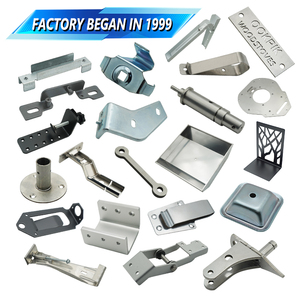
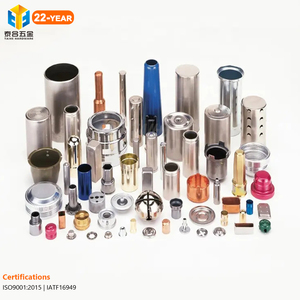
Precision copper, stainless steel, aluminum, and brass hardware components produced via progressive stamping dies and high-precision fiber laser profiling for mechanical assemblies across Ghana.
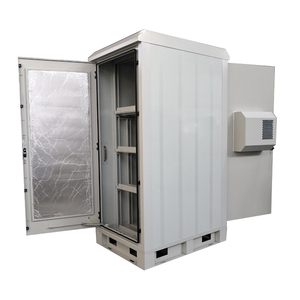
Heavy-duty galvanized steel mini shelter housing equipped with a 600W DC air conditioner, built specifically for solar battery banks and rural telecom BTS towers across Ashanti and Greater Accra.
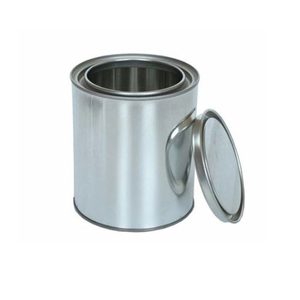
High-speed stamped tinplate packaging with corrosion-inhibiting lacquer lining for paint manufacturers, solvent suppliers, and chemical processing facilities operating in the Tema Industrial Area.
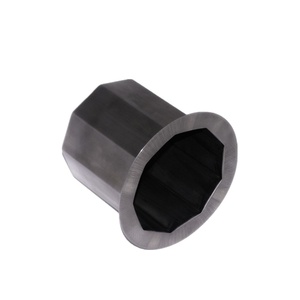
Complex symmetrical and asymmetrical deep drawn shells, motor casings, and brass terminal sleeves engineered with multi-stage drawing dies to reduce blank thinning and stress fractures.
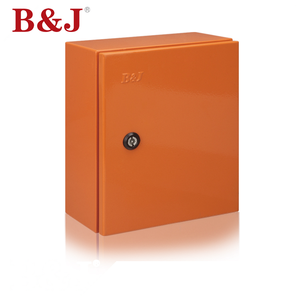
Seam-welded cold-rolled steel and stainless electrical distribution cabinets fitted with polyurethane gaskets to stop red dust infiltration (harmattan) and torrential tropical rain ingress.
25+
Years Manufacturing Excellence
1,000+
Global Industrial Clients
1,200T
Max Stamping Press Capacity
±0.01mm
Precision Die Tolerance Standard
Technical Whitepaper: Engineering Sheet Metal Components for the Ghanaian Industrial Ecosystem
Sourcing metal components for deployment in West Africa requires an engineering approach that accounts for aggressive environmental factors and rapid commercial shifts. Ghana presents a distinctive operational operating theater: high coastal atmospheric salinity around the Gulf of Guinea (Tema, Takoradi), high inland ambient temperatures, seasonal airborne silicate particulates during the Harmattan winds, and expanding industrial infrastructure.
1. Mineral Extraction & Aggregates (Obuasi, Tarkwa, Ahafo, Prestea)
Ghana remains Africa's premier gold producer. Mineral processing circuits rely continuously on mechanical filtration, vibratory sizing, and slurry screening. Standard carbon steel components fail prematurely due to galvanic corrosion and mechanical erosion induced by sulfide-rich ores and acidic process streams.
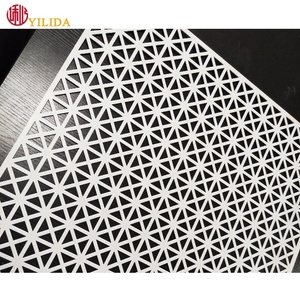
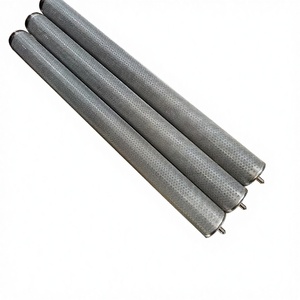
Our specialized SS304 and SS316L sintered wire mesh filter elements and heavy-gauge perforated cylinders provide the tensile toughness and metallurgical resistance needed in carbon-in-leach (CIL) circuits, heap leaching, and centrifugal gravity concentrators. Furthermore, custom deep drawn pump shells and impeller liners resist cavitation wear better than cast equivalents, offering a lighter strength-to-weight ratio and tighter hydraulic tolerances.
Under the Ghanaian Government's One District, One Factory policy, value addition in cocoa processing, shea butter extraction, palm oil refining, and cassava starch transformation has accelerated across regions like Western North, Eastern, and Bono East.
Sanitary requirements dictate smooth, non-crevice components. Our deep drawn stainless steel cylinders eliminate longitudinal seams, eliminating bacterial harborage points in pasteurization units, pneumatic conveyance hoppers, and aseptic fluid storage. Our progressive dies maintain wall thickness uniformity across the radius of deep-drawn shells, ensuring continuous hygiene compliance during CIP (Clean-In-Place) washdowns using caustic and nitric solutions.
3. Telecommunications & Off-Grid Solar Energy
With the rapid expansion of mobile financial services, telecommunications infrastructure operated by MTN, Telecel, and AT Ghana requires robust off-grid tower setups powered by solar-diesel hybrids. Grid instability in outer regions places extreme thermal and electrical stress on battery storage banks.
The IP55/IP65 42U Outdoor Battery Cabinet, engineered with dedicated DC air conditioning and dual-skin insulated walls, mitigates solar radiation heat gain in sub-Saharan conditions. Laser-cut structural brackets and progressive-stamped copper busbars maintain stable connections, eliminating fire hazards caused by fluctuating ambient thermal cycles.
Material Selection Matrix: Tailored to Ghanaian Operational Environments
Magnesium-doped non-heat treatable alloy; superior salt-fog resistance
Coastal commercial architecture and marine craft components
Perforated facade mesh, solar racking stamped clips, lightweight housings
C11000 Electrolytic Copper
99.9% Pure Copper; electrical conductivity ≥ 100% IACS
Controlled enclosure interiors; requires tin plating for coastal sulfur air
High-current busbars, switchgear terminals, power distribution clips
Trade Dynamics & Regional Growth
Sheet Metal Procurement Trends in Ghana: 2025–2030
Strategic purchasing managers in Accra, Tema, and Kumasi are shifting away from fragmented trading middlemen to establish direct partnerships with Chinese precision manufacturers.
AfCFTA Export Value Chains
With the AfCFTA Secretariat located in Accra, Ghanaian manufacturers are positioning themselves as regional assemblers for ECOWAS. Procuring high-precision stamped components directly from China gives local assembly plants the dimensional consistency and low unit costs required to export competitive finished goods to Nigeria, Côte d'Ivoire, and Togo.
Corrosion Engineering Upgrades
Early failure of imported sheet metal due to premature rust has forced Ghanaian procurement directors to adopt strict surface finishing standards. There is a surging preference for electro-deposited primers, 80-120μm exterior-grade thermoset powder coatings, and passivation certifications for stainless grades entering coastal mining and port facilities.
Shift to Progressive Tooling
Instead of manual brake bending and single-punch tooling which lead to high scrap rates during local assembly, Ghanaian OEMs are co-investing in multi-stage progressive stamping dies in China. This lowers per-unit component costs by up to 45% on repeat volume runs while maintaining true positional tolerances within ±0.02mm.
Enterprise Trust & Integrity
Why West African Procurement Teams Choose Our Facility
Backed by over 25 years of metallurgical engineering experience and a track record of exporting to more than 20 countries worldwide, we integrate primary manufacturing with end-to-end export logistics.
In-House Tooling & EDM
We build our own progressive, transfer, and deep drawing dies using high-speed wire EDM and CNC machining centers, guaranteeing complete tooling ownership and fast cycle times for custom Ghanaian projects.
MTC Traceability
Every batch of sheet metal is sourced from certified tier-1 steel mills. We deliver genuine EN 10204 3.1 Material Test Certificates (MTC) detailing mechanical yield, elongation, and chemical composition (OES tested).
Equatorial Ocean Packing
Transit through the Atlantic to Tema involves extreme temperature swings and high humidity. We utilize vacuum-sealed VCI anti-corrosion barrier wraps, heavy silica desiccants, and fumigated ISPM-15 marine plywood cases.
Third-Party Pre-Shipment QC
We work directly with international inspection bodies such as SGS, Bureau Veritas, and Cotecna to conduct pre-shipment inspections (PSI) matching Ghana Standards Authority EasyPASS documentation requirements.
Clear Answers for Importers
Frequently Asked Questions by Ghanaian Buyers
Key details on clearing customs, documentation, freight schedules, and technical verifications for shipments arriving at Tema or Takoradi.
How do you comply with Ghana Standards Authority (GSA) EasyPASS?
We provide all foundational compliance documentation required for the Pre-Export Verification of Conformity (PVoC) under the GSA EasyPASS program. Our quality control lab generates comprehensive dimensional inspection sheets, mill test certificates (EN 10204 Type 3.1), and ingress protection test reports (IP55/IP65/IP66). We coordinate directly with your appointed inspection agency in China (e.g., SGS, Bureau Veritas) to secure the Certificate of Conformity (CoC) before the container is sealed.
What are the typical transit times and shipping lines from China to Tema Port?
Ocean transit from Ningbo, Shanghai, or Shenzhen to the Port of Tema (MPS Terminal 3) or Takoradi Port typically takes between 32 and 45 days, depending on whether direct or transshipment routes (via Tangier or Singapore) are utilized. We work with leading carriers such as Maersk, MSC, CMA CGM, and COSCO. For urgent spare parts, mining filter meshes, or tooling prototypes, we arrange express air freight into Kotoka International Airport (ACC) in Accra with a 5-to-7-day delivery window.
How do you prevent flash rust and moisture damage during tropical maritime shipment?
Given that vessels cross equatorial waters with extreme variations in temperature and relative humidity, condensation inside shipping containers ("container rain") is a significant risk. We pack all bare steel and stamped parts in volatile corrosion inhibitor (VCI) bags, use rust-preventative oils where applicable, insert military-spec clay desiccants, and wrap all bundles in moisture-barrier stretch wrap inside heat-treated ISPM-15 wooden crates.
What payment terms and currency options are supported to manage Ghana Cedi volatility?
To help Ghanaian enterprises manage foreign exchange fluctuations, we support multiple trade finance structures. We accept payments in US Dollars (USD) and Chinese Yuan (RMB / CNH), enabling importers with direct access to Chinese currency clearing channels to bypass multi-tier forex conversions. Standard terms include Telegraphic Transfer (T/T), as well as Irrevocable Letters of Credit (L/C at sight) confirmed by internationally recognized tier-1 banks.
Can you manufacture custom parts based on physical samples without CAD drawings?
Yes. Many mining and industrial maintenance operations across Ghana rely on legacy machinery for which original manufacturer CAD files no longer exist. You can courier worn or broken samples to our engineering facility in China. We utilize coordinate measuring machines (CMM) and 3D optical scanning to reverse-engineer components, generate parametric STEP/DWG models, evaluate metallurgy via spectrometry, and submit first-article prototypes for field trial verification.
Who owns the stamping dies, and how are maintenance costs handled?
The client retains 100% legal ownership of custom tooling and stamping dies upon payment of the tooling fee. We maintain, lubricate, and store your tooling in our climate-controlled die warehouse at zero additional cost for the lifetime of production. If routine re-grinding, sharpening, or replacement of die punch inserts is required due to standard tool wear, our toolroom handles this within our internal maintenance budget.
Accelerate Your Project with Precision Chinese Metal Engineering
Whether you require progressive-stamped brackets, deep drawn pressure canisters, heavy filter assemblies, or IP66 outdoor enclosures for Ghanaian infrastructure, our engineers are on standby to review your tolerances, bill of materials, and tender specifications.